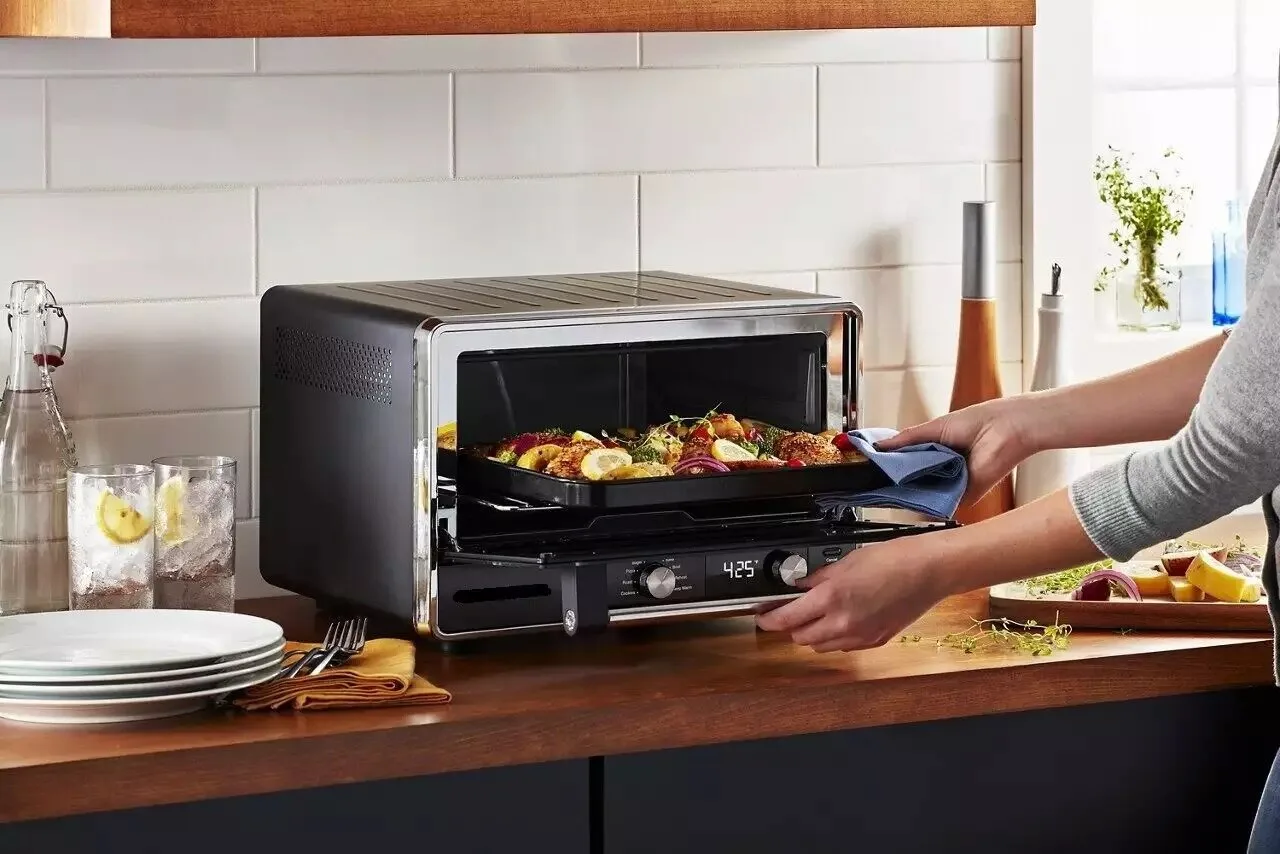
Zachary Cartwright, a food scientist, has recently warned about the dangers of placing certain items in the microwave. Since the microwave entered kitchens in the 1970s, it has become one of the most commonly used appliances. However, this easy usage requires attention to safety tips. Putting the wrong items in the microwave can not only damage the appliance but also pose a fire risk.
Metal Items and the Spark Danger
Cartwright emphasizes that metal items should never be placed in the microwave. Metals, including foil, spoons, and forks, can cause sparks that generate intense heat and may damage the appliance or even cause a fire. Sparks occur when metal reacts with the electricity produced by the microwave.
Read more: How Massage Can Reduce Pain and What Limitations It Has
Disposable Plastics and Their Hazards
Ed McCormick, a food science consultant, states that some plastics are safe for microwave use, but disposable plastics like yogurt containers and sandwich bags should never be placed in the microwave. These materials may melt at high temperatures and release harmful chemicals into the food. McCormick warns that phthalates, a type of chemical found in plastics, can leach into fatty foods.
Thin plastic wraps typically used for frozen foods can be safe if they do not come into contact with food and have holes for steam to escape. However, brown paper and newspaper should never be placed in the microwave, as they may release harmful fumes or catch fire at high temperatures.
Takeout Food and Improper Containers
If you intend to reheat takeout food, it is best to discard its packaging and transfer the food to a microwave-safe container. Additionally, if you brought leftovers home in a foam plastic (Styrofoam) container, be sure to remove it from the container before reheating. Cartwright states that Styrofoam can melt and release harmful compounds.
This caution also applies to foam drink cups. Cold coffee should be transferred to a microwave-safe cup before reheating.
Sealed Containers and Explosion Risks
Even containers specifically designed for microwave use can be dangerous if they are completely sealed. Cartwright explains that glass and other sealed containers may explode when heated and pressure builds up. For added safety, leave the lid slightly ajar to allow steam to escape and reduce internal pressure.
Finally, to prevent explosions, never place a sealed container in the microwave. Instead, cover the food with wax paper, parchment paper, a ceramic plate, or a perforated plastic cover. These simple precautions help maintain the safety of your food and microwave appliance.
Read more: Dr. Seyedeh Saleheh Mortazavi: Iran on the Brink of an Elderly Population Explosion · Massive Fire at Al-Jalil Shopping Center; Terrified Residents Fled to the Streets