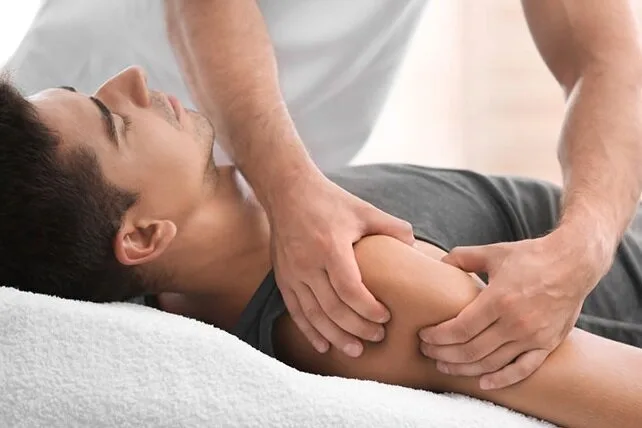
Massage can help reduce pain in certain types, especially musculoskeletal pain; however, this effect should not be mistaken for a definitive treatment. Evidence regarding the intensity and duration of this effect varies across different diseases and pains, and in many cases, the observed benefit is short-term.
Recent Research and Their Findings
A comprehensive review of studies conducted, published in 2024, provides a relatively accurate picture of the state of research. Researchers in this study examined 129 scientific reviews on the effect of massage on pain in adults. Among them, 41 reviews had formally assessed the quality or reliability of the results. None of the results reached a level of "high certainty"; seven results had moderate certainty evidence and indicated pain reduction with massage. However, most results still remained at a level of low or very low certainty evidence.
Read more: Orange Soup; A Delicious Taste Rich in Vitamin C for Cold Autumn Days
Temporary Effects and Types of Pain
Regarding lower back pain, scientific reviews have shown that massage may reduce the intensity of lower back pain in the short term, but the quality of evidence in this area is not very high. Also, findings regarding neck and shoulder pain indicate that massage can reduce pain for a time, but this benefit has been temporary in many studies.
For knee pain caused by arthritis, some studies have supported the short-term benefit of massage, but the number of studies is limited. Additionally, research on headaches is still not cohesive enough to confidently say that massage is effective for all types of headaches.
It is important to note that massage for pain is not a one-size-fits-all treatment, and pain from muscle tension is not the same as pain from tissue injury, inflammation, arthritis, or neurological disease. Therefore, the body's response to a similar method will not be the same in all these conditions.
Ultimately, researchers have emphasized that larger and more precise studies are needed to reach definitive conclusions about the effect of massage on pain. This reminds us that when facing pain, paying attention to its underlying cause is very important.
Read more: Calcium and Misconceptions: Truths You Should Know About Bone Health · The Seventh Cycle of Hospital Accreditation with a New Approach Has Begun