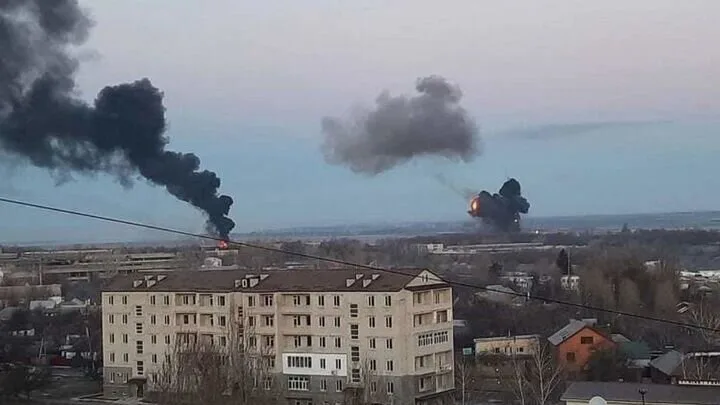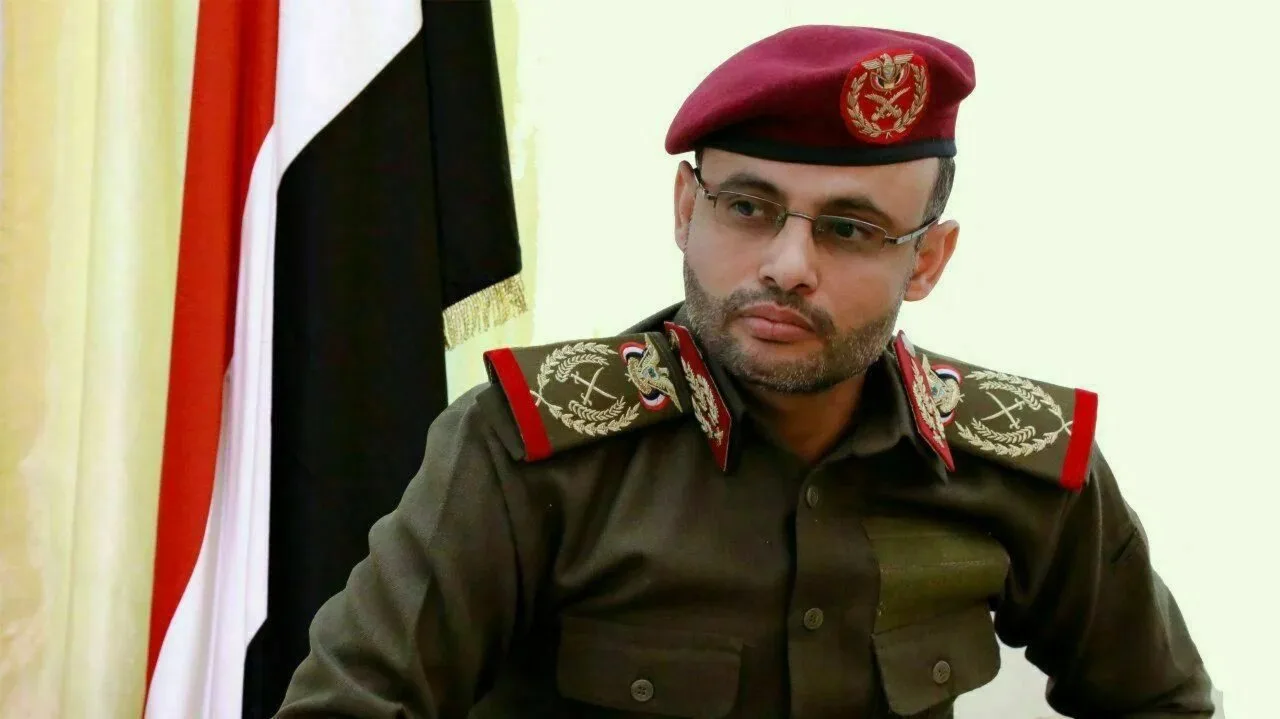
Sanaa, Yemen - In a firm statement, Mahdi al-Mashat, the President of Yemen's Supreme Political Council, emphasized that the country will continue its efforts against Saudi aggressions and ongoing sieges. He stated that Yemen will never retreat from its rights and interests, reaffirming his country's determination to defend its territorial integrity and national sovereignty.
Continuing Struggles and Major Challenges
As Yemen is severely affected by war and siege, al-Mashat said: "We will never surrender and will fight for our rights until our last breath." He called for internal solidarity and unity to confront the existing challenges, pointing out the harsh living conditions of the Yemeni people. According to him, Yemen's humanitarian crisis requires immediate attention and action, and the international community must act to end this dire situation.
Read more: Mike Waltz: Negotiation with Iran is still possible
Message to the International Community and Neighbors
Al-Mashat also sent a message to the international community and Yemen's neighbors that any action aimed at imposing pressure on Yemen will not only be ineffective but will also exacerbate the crisis. He emphasized: "We seek peace and stability, but if you pressure us, we will respond appropriately." These statements reflect Yemen's determination to stand against any external threats.
The President of Yemen's Supreme Political Council added: "The people of Yemen, despite all the problems and challenges, will not lose hope and will continue to fight for their rights." He also highlighted the importance of raising awareness among the people about current developments and their impacts on their daily lives, calling for strengthening national spirit and solidarity among Yemenis.
Given the current situation in Yemen, which has been witnessing a civil war and foreign intervention since 2015, al-Mashat's statements reflect Yemen's firm resolve to confront the challenges ahead. The country is facing an unprecedented humanitarian crisis that has affected the lives of millions and requires immediate and serious attention from the international community.