The beloved characters of children and teenagers in the years 2015, 2019, and 2025 show that foreign characters still have a prominent presence in the minds of the new generation, and in these years, only one or two Iranian characters have managed to make it to the list of the most popular. In some surveys, even all 10 favorite characters of children were foreign and mostly Western. This issue is not limited to just one cartoon or game. Children spend a significant portion of their leisure time with films, animations, games, music, social networks, and books.
Cultural Chain and Challenges of Cultural Industries
Cultural industries are not limited to toys and stationery. In this field, more than 40 industries range from animation and gaming to publishing, clothing, and tourism. In various countries, this chain has turned into large economic markets. South Korea and the United States are examples of countries that have strengthened their economic and cultural power by utilizing characters and cultural products. In Iran, there are also successful experiences in animation, toys, and stationery, but many of these experiences have not yet connected to a complete chain.
Read more: Increase in Museum Thefts and Security Concerns in Europe
The Necessity of Creating Infrastructure and Collaboration Among Activists
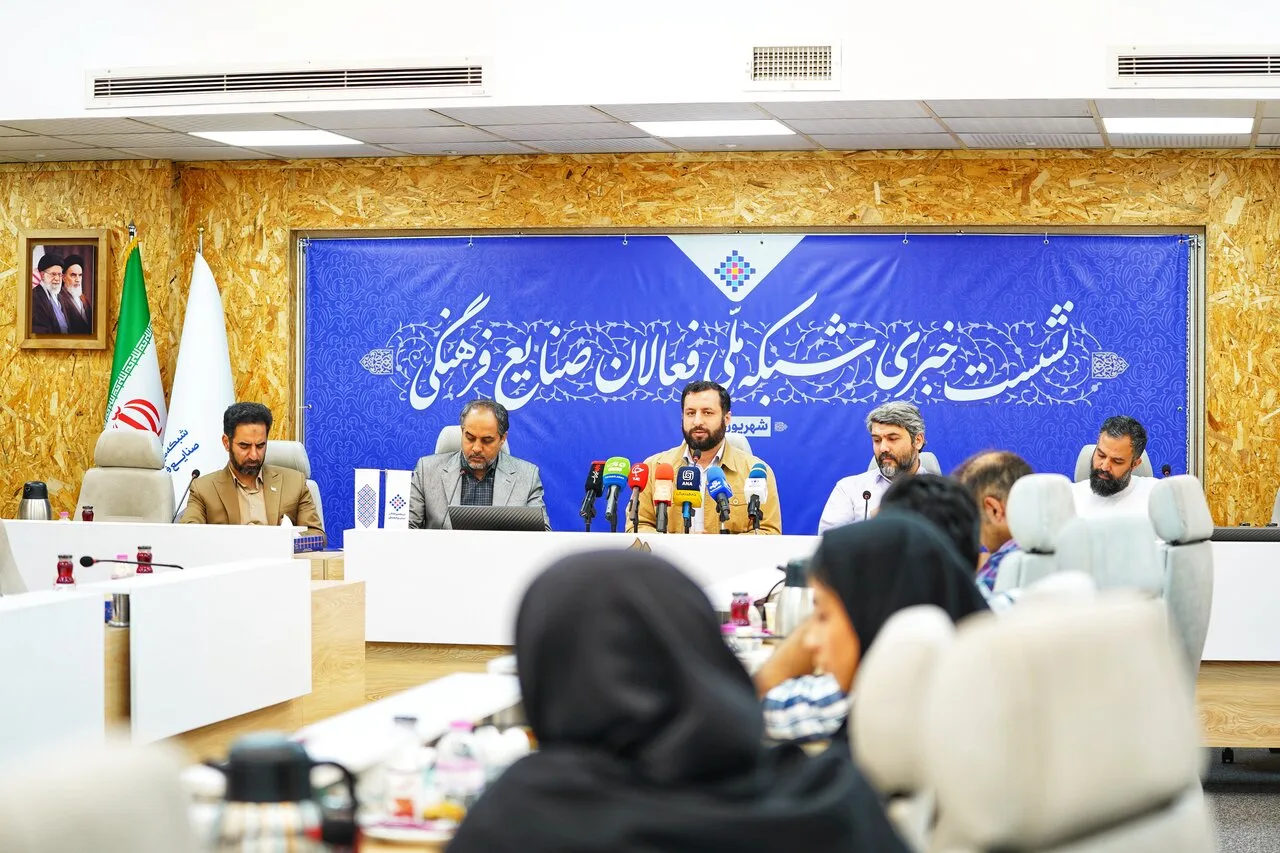
The National Network of Cultural Industry Activists has been formed with the presence of more than 15 associations and nearly 2,000 businesses. This network seeks to address common issues and create the necessary infrastructure for cultural industries. Problems such as financing, distribution, and market access are among the common challenges in these fields. Producing cultural products usually requires time-consuming investment, and the return on investment is not always quick and predictable.
The gap between producers and consumers is another issue. Even a high-quality Iranian product cannot compete with foreign examples if it is not accessible to families. Therefore, developing specialized and content-rich stores could be one of the solutions. Additionally, for Iranian characters to endure, it is necessary that stories, games, toys, and ancillary products are developed simultaneously.
The National Network of Cultural Industry Activists is still in its early stages and is expected to create a more precise understanding of the status of this field in its first year. However, the main issue goes beyond a newly established network: which hero will Iranian children dream of in the coming years? The answer to this question depends on the capability of the cultural, capital, media, and market chain.
Read more: The novel 'Technical Knockout' about the challenges of wrestling and immigration has been published · Starlink and Iran's Governance Challenges in the Digital Space