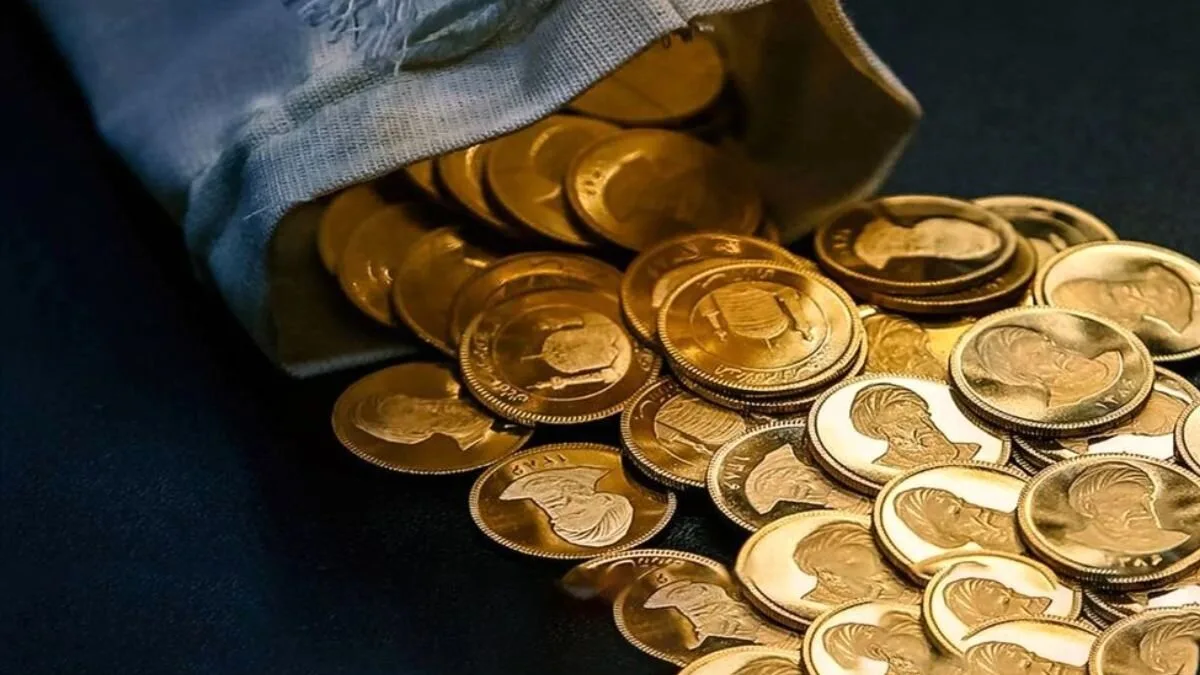
The full Bahar Azadi coin and the Emami coin are both recognized in the gold market, but there are fundamental differences between them that affect their price and demand. The first point every buyer should know is the complete uniformity of the physical value of the gold used in these two coins. The Central Bank of the Islamic Republic of Iran mints the Emami coin and the full Bahar coin based on the same metallurgical standards.
Differences in Design and Minting Date
From a laboratory perspective and considering the value of gold metal, there is no difference in the weight of pure gold between these two coins. What causes the difference in trading value are market factors and traders' preferences. The primary distinction between these two assets emerged in 1991, when a change in the design of the coins created a new classification in the market.
Read more: Municipality's proposal for achieving zero inflation and reducing pressure on the people
The minting of these coins began in 1979 to commemorate the victory of the Islamic Revolution and continued until 1991. On one side of this coin, the blessed name of Imam Ali (PBUH) is inscribed in a building style within a hexagonal design adorned with Islamic motifs. On the other side, the image of the shrine of Imam Reza (PBUH) along with the phrase "First Bahar Azadi" and the name of the National Bank of Iran can be seen. Since the minting of this type of coin was halted after 1991, its quantity in the market is more limited.
Factors Affecting Coin Prices
Since 1991 and based on a legal decree, new coins adorned with the portrait of the founder of the Islamic Republic have been minted and replaced the previous design. The back of this coin also features the image of the shrine of Imam Reza (PBUH) with the abbreviated phrase "Bahar Azadi".
In the past, the year of minting inscribed on the coins influenced the buying and selling rates, and coins from newer years were traded at higher prices. To address this challenge, the Central Bank decided in 2007 to release all newly minted coins with the fixed date of "2007" into the market. Therefore, coins with dates prior to 2007 are colloquially referred to as "low-date" in the market and are traded slightly cheaper, even though there is no difference in the weight of gold.
If the weight and purity of both coins are equal, what factor causes the price of the Emami coin in the market to always be higher than the old design? The answer to this question can be summarized in three economic concepts: public demand, liquidity, and price bubble. The Emami coin, as a benchmark and standard trading asset in the gold market, has been accepted for futures contracts, financial settlements, and even marriage commitments. This prevalence has led public demand to always shift towards the new design.
Higher liquidity means that at any moment, with the least price gap between buying and selling, you can convert your coin into cash. The price bubble results from the gap between the intrinsic value of the gold in the coin and its trading rate in the market: intrinsic value of the coin = (weight of the coin × price of one gram of 24-carat gold) + minting fee. Since people's and speculators' inclination to buy the Emami coin is greater, accumulated demand causes a price increase above the actual value of gold; thus, the new design coin always experiences a larger bubble compared to the old design.
Analyzing the graphical behavior of these two assets in bullish and bearish market cycles reveals important points for capital management. Answering this question requires specifying the time horizon and trading strategy of the buyer. Who should choose the full Bahar Azadi coin (old design)? This is an important question that buyers must answer to make better financial decisions.
Read more: Sharifi Moghadam announced details of a 50 percent increase in the value of the commodity voucher · Iranian rice in the market: prices and supply situation on the brink of new changes