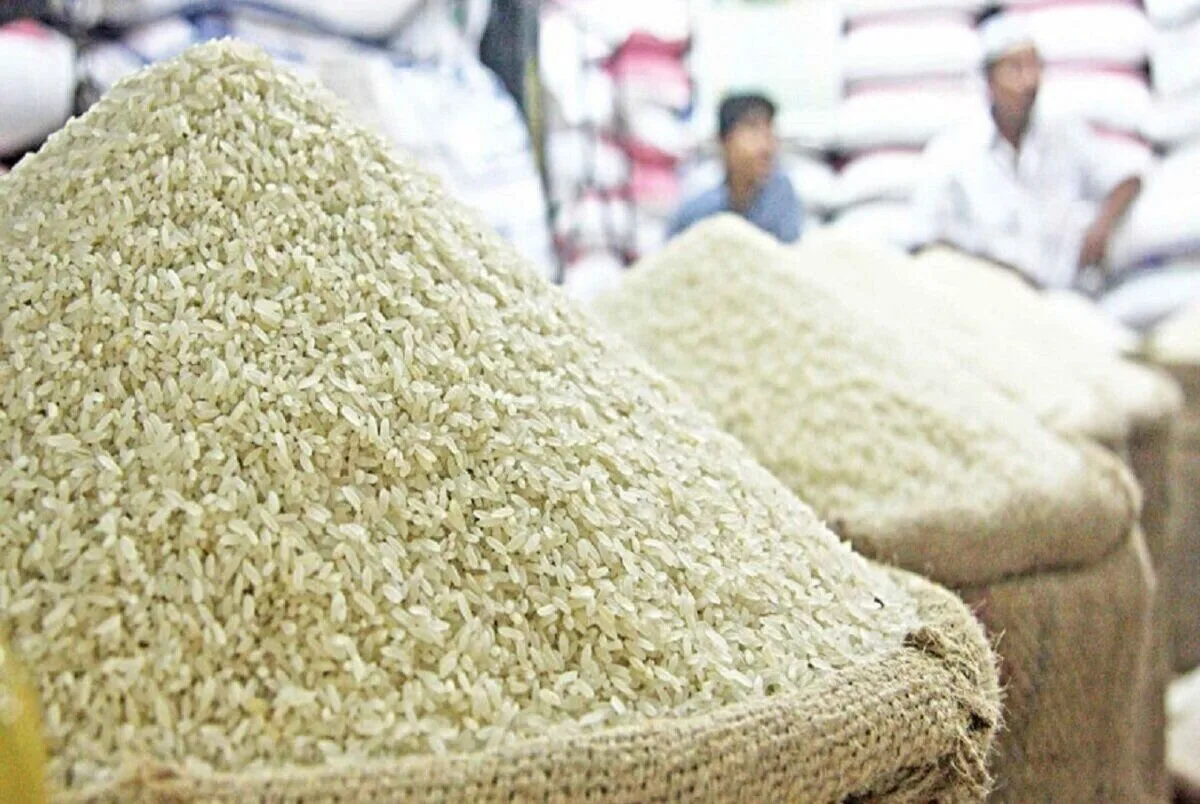
Iranian rice, as one of the strategic and popular goods on the dining tables of Iranian households, is experiencing changes in its trading rates as it enters a new phase of supply and demand. These changes, although noticeable compared to previous time periods, are fortunately free from any emotional turmoil or irrational spikes, following a mild and managed path.
Price Fluctuations and Their Reasons
The current state of the rice market shows that the fluctuations in the prices of various types of Iranian rice, especially the authentic northern rice, are more a result of factors such as the supply chain, final production costs, and the balance between bulk supply and the demand elasticity of the final consumer, rather than sudden market behaviors. In recent days, buyers visiting target markets have encountered slight changes in the final rates of Tarom rice and other economic varieties.
Read more: Zahra Alipour: The Fate of the Leftout Justice Shares Has Been Determined
Relative Market Stability and Continued Supply
Despite the current changes, what is most important is the relative stability and predictability of these changes, which has prevented common concerns regarding severe price fluctuations. Various types of rice, which play a decisive role in the Iranian household food basket, are currently being offered with a more coordinated price structure compared to previous weeks. This indicates that regulatory and guild mechanisms have managed to establish a relative balance in the market.
Field evidence shows that the supply of goods across the country continues uninterrupted and uniformly, with no specific concerns about shortages or the unavailability of high-quality rice varieties. According to the latest field observations, the prices of various types of Iranian rice are as follows:
- Tarom Aromatic Rice: 4,800,000 Tomans per 10 kilograms
- Tarom Hashemi Arad Rice: 5,709,000 Tomans per 10 kilograms
- Khuzestan Amber Rice Afra: 4,750,000 Tomans per 10 kilograms
- Shiroudi Rice Gilan Mr. Rice: 4,645,000 Tomans per 10 kilograms
It seems that the Iranian rice market is on a path of price stability and adequate supply, which can help reassure buyers and consumers. Given the continuous need for market oversight and regulation, it is hoped that this positive trend will continue and prevent sudden increases.
Read more: Mehdi Amiri: Doubling of Inflation Compared to Workers' Income · Astara International Border; A Bridge for Iran's Economic and Trade Diplomacy