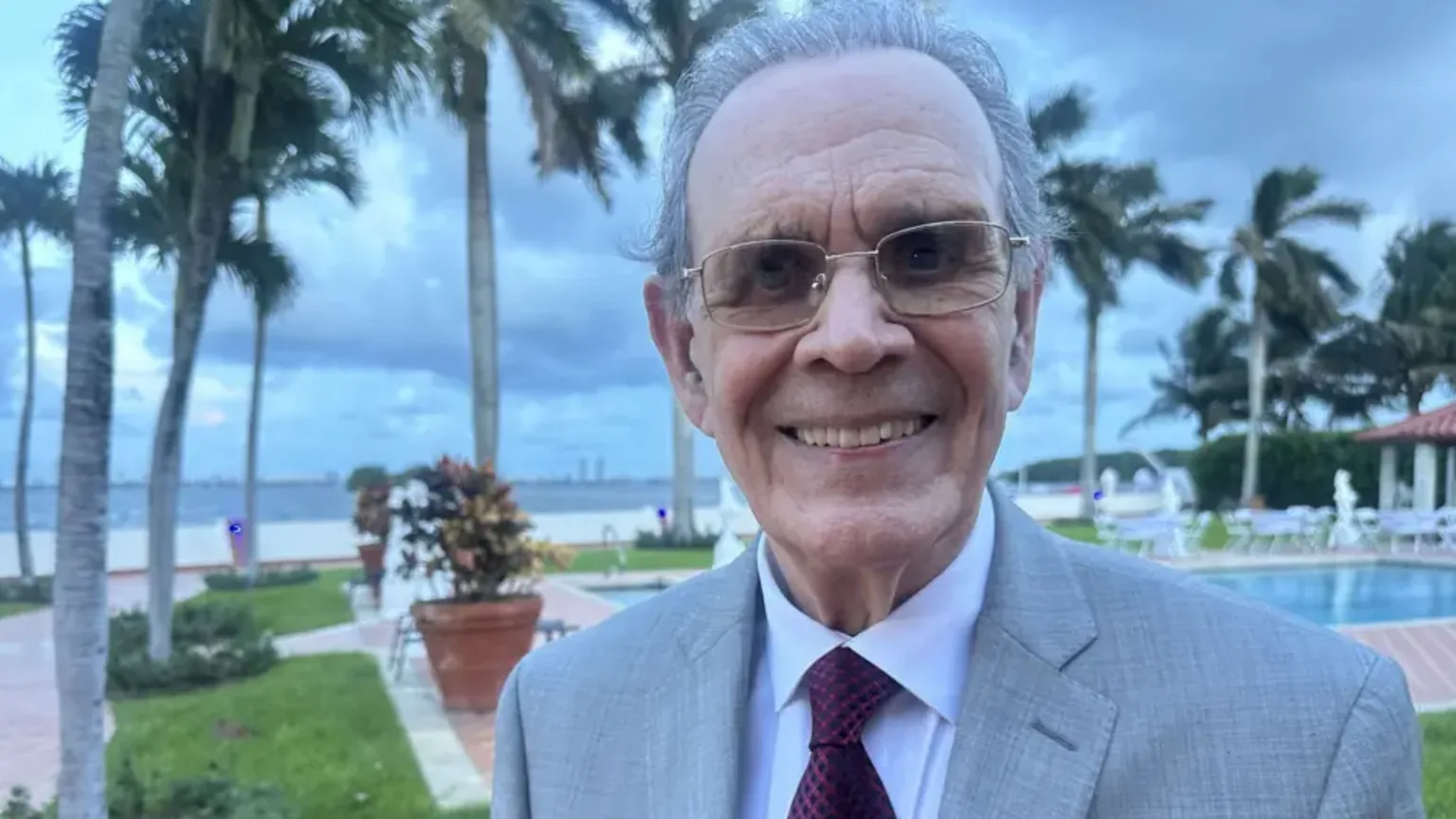
In the luxurious home of one of Miami's most famous plastic surgeons, wealthy Cuban-American families have come together to review their vision for the future of Cuba at the fourth meeting of the National Cuban-American Chamber of Commerce. This gathering, with rum glasses and Rolex watches on wrists, is a gathering of old and wealthy Miami families who discuss the dire economic situation in Cuba and political rumors by the poolside.
Post-Regime Ideals
Juan Omer Sixto, president of the Cuban-American Chamber of Commerce, describes the aim of this gathering as bringing together the most prominent Cuban-American entrepreneurs in Miami-Dade, stating, "The ultimate goal is to have a presence in Cuba after the fall of the regime." Guests are confident that that moment is near.
Read more: Massive explosions shook Riyadh; flights were suspended
This influential community of exiles has been opposed to the communist government of Cuba since 1959, when Fidel Castro confiscated their lands. They have sought to shape Washington's policies toward their homeland using their political influence and economic power in Florida.
Planning for the Future
Sixto, who fled Cuba as a teenager, is now in his eighties and works as a construction and real estate development activist. Together with his organization, he has developed plans for the "day after the fall of the regime" in Cuba. The National Cuban-American Chamber of Commerce has also prepared a proposal for establishing a Cuban stock exchange and forming committees in various fields, from energy infrastructure to food security.
However, such claims are met with skepticism within Cuba itself. Amid Washington's "maximum pressure" campaign against Cuba, the island's leaders recently announced 176 measures for economic liberalization. Miguel Díaz-Canel, the president of Cuba, stated that the aim of these measures is to "advance the defense of socialism and support social justice." However, participants in the National Chamber meeting consider these reforms to be performative and say there are no guarantees for investors.
Analysts believe that holding early meetings about the future of Cuba may be premature. Mike Bustamante, an associate professor of history at the University of Miami, states that there are high expectations for political changes in Cuba, but no one can say with certainty what those changes will look like. Will it be a military operation similar to what happened in Venezuela, or a new economic agreement with the island's leaders?
Ultimately, discussions about agricultural lands and their ownership are at the center of the debates. Juan Omer Sixto, whose father lost his lands during the Cuban Revolution, emphasizes that land ownership documents must be included in any reconstruction plan. He states, "Cuba needs investment and technology to be able to produce enough food one day."
Read more: Iraq's Coordination Framework emphasized the protection of national interests · The Minister of War echoed the President's tone