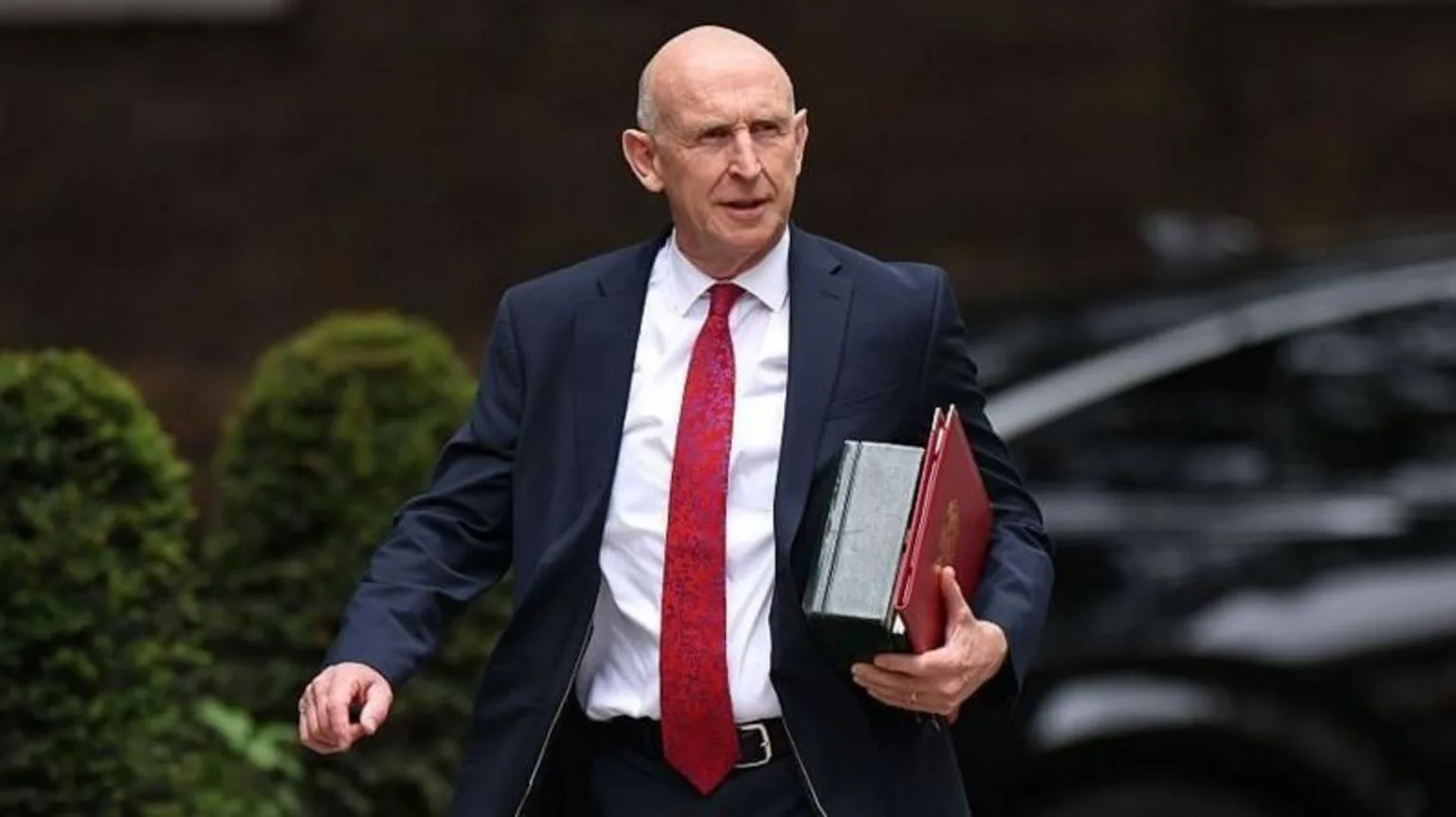
The Institute for Fiscal Studies has warned that the current situation arising from the US and Israel's war against Iran poses a significant challenge for John Healey, the UK's Chancellor of the Exchequer, in preparing his first budget. The think tank emphasized in a report that rising prices and severe inflation may diminish the real value of the public services budget and force the government to make tough decisions, including cutting spending or raising taxes.
Budgetary Challenges and Future Predictions
The Institute for Fiscal Studies has urged the government to present credible and realistic budget plans and not to forecast spending cuts that it does not intend to implement in order to balance the budget. John Healey, on the eve of the annual meeting of the International Monetary Fund, referred to the impact of conflicts in the Middle East on the global economy, stating: "These conflicts have affected fuel prices and the cost of mortgage loans, and we must respond to these challenges through global cooperation."
Read more: Increase in trade exchange between Iran and Kazakhstan to $430 million by 2025
The UK Chancellor of the Exchequer further stated that the future budget, relying on financial discipline, will help strengthen economic resilience and provide an opportunity to alleviate the cost of living pressures on households. However, rising borrowing costs and pressures from financial markets have raised significant concerns for the government, as investors seek assurance of the government's ability to manage the country's financial situation.
Risks and Concerning Predictions
Helen Miller, director of the Institute for Fiscal Studies, warned against presenting a budget without fundamental changes on October 28, stating: "Continuing the tax and spending programs left over from the previous government means that inflation will divert departmental spending programs from the established path." She also added: "If the government merely accounts for spending cuts on paper that it does not intend to implement, the budget will become a fictional effect."
Recent wars in the Middle East and Russia's invasion of Ukraine have both played significant roles in increasing global energy prices, and these costs have been passed on to consumers. This situation has not only contributed to rising interest costs on the UK government's debts but also places further pressure on public finances.
The Institute for Fiscal Studies has predicted that rising inflation, alongside increased costs, could also boost government tax revenues, but this will harm the purchasing power of the cash budgets of ministries and government agencies. Additionally, estimates indicate that recent fluctuations in the bond market and higher inflation will add about £10 billion to the government's projected borrowing costs for the fiscal year 2029 to 2030.
Despite these predictions, the Institute expects that the government will still be able to adhere to its established financial rules. These rules allow the government to stop borrowing for day-to-day expenses in the fiscal year 2029 to 2030 and reduce the public debt-to-GDP ratio. One reason for this assessment is that higher inflation could offset some of the additional cost pressures through increased tax revenues.
Ultimately, the Institute for Fiscal Studies has advised the government to make economic forecasts cautiously in the current unstable conditions. It is also possible that the official forecasts from the Office for Budget Responsibility may differ significantly from the estimates of this Institute.
Read more: US Treasury Secretary announces efforts to isolate Iran · Food inflation rate decreased to 2.2% in September