Vania Barzak Cave, with its beautiful limestone formations and underground water table, has today become one of the prominent examples of private cave tourism. This cave not only offers an opportunity for tourism but also brings the concern of protecting a fragile ecosystem.
History of the Discovery of Vania Cave
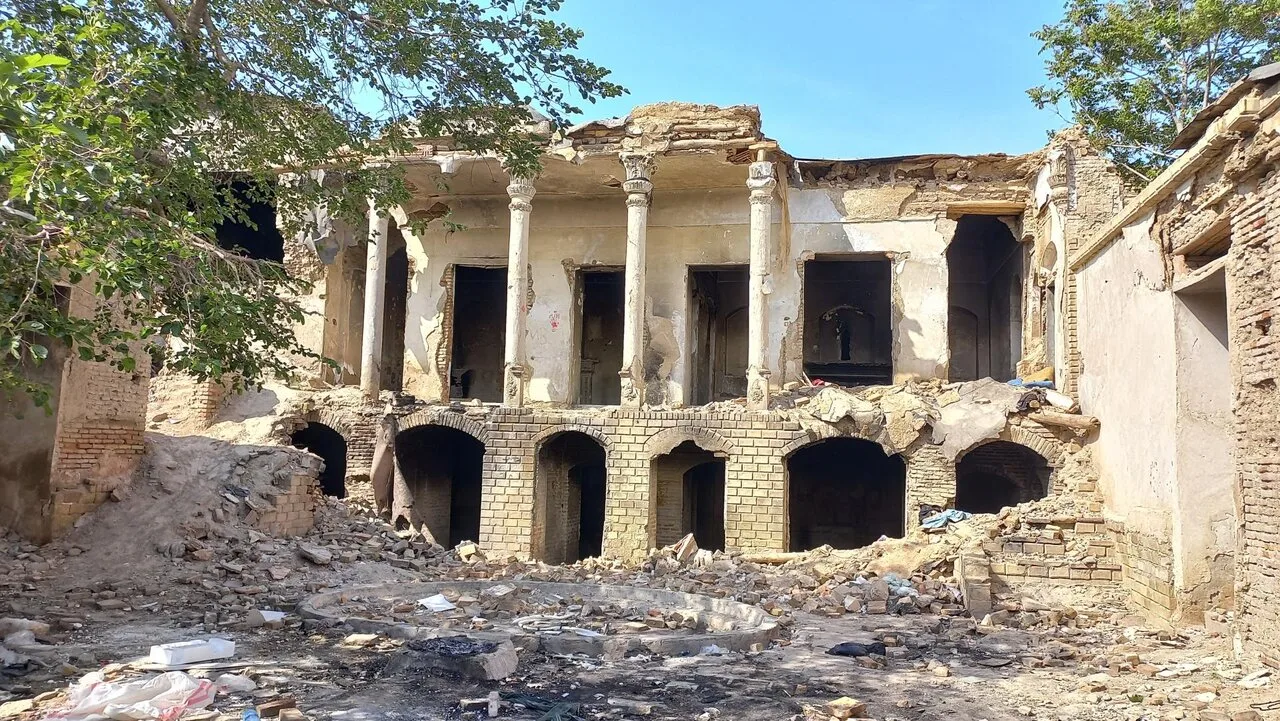
Four years ago, Reza Mahalooji, the owner of a rural house, noticed a burst pipe and water accumulating in his yard. In an effort to contain the water, he suddenly realized that the water had mysteriously receded. Following the path of the water, he found a small hole where the water was flowing into. Following this discovery, the entrance of the limestone Vania Cave was revealed. Now, this cave is recognized as a tourist destination under the management of Reza Mahalooji.
Read more: Homayoun Shajarian Captivated Hearts in Shiraz with the Concert 'Wherever You Are'
Challenges of Management and Protection
Javad Nazemdoost, a member of the Iranian Speleology Working Group, says about this cave: "This cave is not large in terms of depth and length, but due to its beautiful limestone formations and geological and caving values, it holds special importance." After identifying the cave, Reza Mahalooji approached the Speleology Working Group to resolve his issues with the cultural heritage department, which had proposed buying his land and house.
Despite the challenges, Mahalooji began the path preparation operations at his own expense. He built stairs for access to the deeper sections of the cave and received permits for tourism activities last year. These permits allowed him to choose a name for the cave and act as its custodian, provided he completed the necessary training courses.
Nazemdoost emphasizes the importance of this experience, stating: "This cave could be one of the first examples of private tourism with personal investment and management, and we hope it yields good results." He also referenced unsuccessful experiences in the exploitation of caves and warned of potential damages.
This story of Vania Barzak Cave illustrates the importance of proper management and private investment in the tourism sector, especially in the context of protecting fragile ecosystems.
Read more: Babol-style Shami; A Lasting Taste of Mazandaran on Your Table · Hani Rastgaran: The Future of Tourism with Artificial Intelligence Depends on Humanity