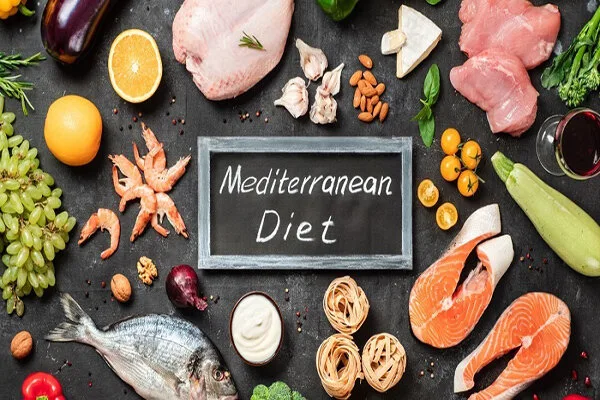
Researchers at the University of Southern California have found a new clue about the benefits of the Mediterranean diet for heart health, brain health, and increased healthy longevity. Findings from a study show that individuals who follow this dietary pattern at older ages have higher levels of two small proteins named Heuminin and Shmooz, which are produced in the mitochondria of cells and are associated with protection against cardiovascular diseases and neurodegeneration.
The Mediterranean Diet and Biological Health
This study, conducted at the Leonard Davis School of Gerontology at the University of Southern California, raises the possibility of a new biological mechanism that could explain part of the benefits of the Mediterranean diet. Roberto Vichinanza, an assistant professor of gerontology at the university and the study's lead investigator, says, "These small proteins may act as molecular messengers, establishing a connection between what we eat and how our cells function and age."
Read more: Pea Sprouts; Your Friend for Health and Beauty
The Mediterranean diet emphasizes the consumption of foods such as olive oil, fish, legumes, fruits, and vegetables. Multiple studies have linked this dietary pattern to a reduced risk of heart disease, type 2 diabetes, and cognitive decline. However, scientists are still working to identify the precise mechanisms through which this diet affects health.
Analysis of Blood Samples and Its Results
To investigate this issue, researchers analyzed blood samples from older individuals who adhered to varying degrees of the Mediterranean diet. The results showed that those who adhered most closely to this dietary pattern had higher concentrations of the two small mitochondrial proteins, Heuminin and Shmooz, in their blood. These individuals also exhibited lower indicators of oxidative stress.
Oxidative stress occurs when reactive and potentially harmful molecules overwhelm the body's defense capabilities and can damage proteins, DNA, and other cellular components over time. Researchers also found that the relationship between different foods and these proteins is not the same. Higher consumption of olive oil, fish, and legumes was associated with higher levels of Heuminin. In contrast, olive oil consumption and lower intake of refined carbohydrates were associated with higher levels of Shmooz.
Refined carbohydrates are found in heavily processed grain-based foods and sugars and typically have less fiber and some natural nutrients compared to less processed options.
The Role of Small Proteins in Health and Aging
Pinchas Cohen, the dean of the Leonard Davis School of Gerontology and a distinguished professor at the University of Southern California, who is the senior author of the study, says, "These findings suggest that specific components of the Mediterranean diet may influence mitochondrial biology." These two proteins could serve as biological markers for adherence to this diet and may also have clinical significance.
These findings continue over two decades of research on small proteins produced in mitochondria. Mitochondria are known as the powerhouses of the cell and play a crucial role in energy production and metabolic regulation. Additionally, these organelles are involved in the cell's response to stress and aging-related processes.
Overall, this research represents an important step in understanding the connection between diet and heart and brain health and could contribute to the development of new strategies to improve quality of life in older ages.
Read more: Dr. Shiv Patel: Tea and Grapefruit Juice Increase Kidney Stone Risk · Home Care is Insured to Allow Patients to be Treated in Peace