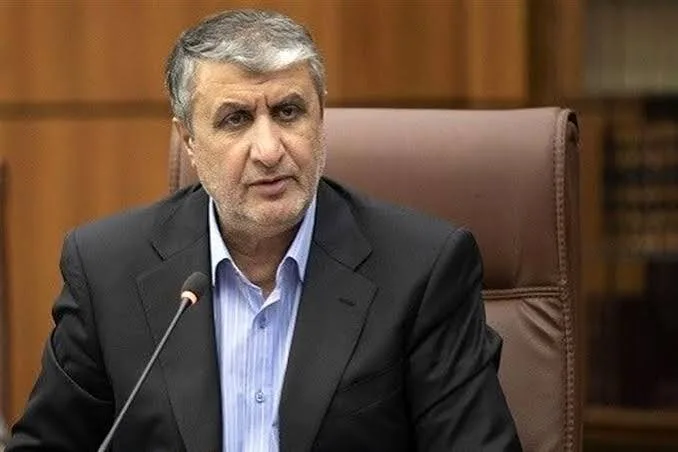
Mohammad Eslami, head of the Atomic Energy Organization of Iran, was unable to attend the 70th General Conference of the International Atomic Energy Agency held in Vienna due to pressures from the United States. This conference, which addresses various nuclear issues and international cooperation, is recognized as one of the most important annual events in this field.
Reasons for Mohammad Eslami's Absence
The political and diplomatic pressures from the United States on other countries, aimed at preventing Iranian officials from participating in international events, directly affected Mohammad Eslami's absence. This comes at a time when he was expected to represent the Islamic Republic of Iran and express his country's positions on nuclear energy at this conference.
Read more: Downed F-15 Pilot: A Bitter Tale of a Battle in Iran's Skies
His absence from this conference could be interpreted as a negative signal to the international community and may affect the ongoing nuclear negotiations between Iran and the P5+1 group. In recent years, the International Atomic Energy Agency conferences have become one of the main stages for nuclear diplomacy, and the absence of Iranian officials from these events could weaken the country's position on the international stage.
Possible Consequences for Iran's Nuclear Diplomacy
Analysts believe that Mohammad Eslami's absence could lead to increased tensions between Iran and Western countries. This is while Iran needs international support and acceptance to continue its nuclear program. Additionally, this issue could negatively impact the ongoing negotiations regarding Iran's nuclear agreement and add to the existing complexities in these talks.
In recent years, tensions between Iran and the United States have significantly increased, and any obstruction from Washington regarding Iran's nuclear diplomacy could have dire consequences. Especially at a time when nuclear negotiations have reached a critical stage and parties are seeking sustainable solutions to existing issues.
Ultimately, Mohammad Eslami's absence from this conference highlights the serious challenges Iran faces on the international stage and could have profound effects on the future of the country's nuclear program. Diplomats and experts are closely monitoring these developments, and various reactions from the international community are expected regarding this matter.
Read more: Iran and Oman: Hormuz Agreement, but the Path to Opening is Closed · U.S. Hostility Towards Iran: A Truth Young Americans Are Saying!