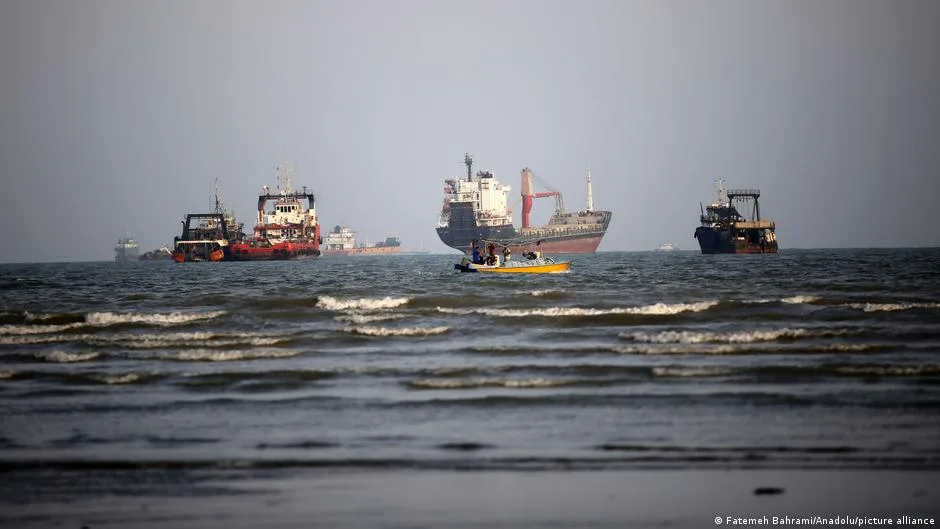
The recent meeting between Iran and Oman aims to sign an agreement regarding shipping in the Strait of Hormuz, while the heavy shadow of military and political tensions looms over the region. Tehran has clearly stated that no opening in the Strait of Hormuz is possible without the end of the blockade and military operations by the United States.
An Agreement with Complex Conditions
The proposed agreement is seen as a preliminary step towards facilitating shipping in one of the busiest waterways in the world. However, statements from Iranian officials indicate that this agreement is viewed more as a diplomatic action than a practical change in the current situation. Iran believes that any progress in this area depends on changes in the military and political conditions in the region.
Recent developments in the Persian Gulf and escalating tensions between Iran and the United States have challenged this agreement. Iranian officials emphasize that if conditions do not return to normal and blockades and military threats are not lifted, one cannot expect the Strait of Hormuz to be fully opened.
Reactions and Future Prospects
Meanwhile, Arab countries are also watching the developments in the Persian Gulf with concern, and it seems that this agreement could serve as an opportunity to reduce tensions and enhance cooperation among the countries in the region. But can this agreement truly improve the situation, or is it merely a political show? This is a question that the future will answer.
Ultimately, by signing this agreement, Iran and Oman will demonstrate that diplomacy and dialogue can still be a way to reduce tensions, but the main condition for this path is a change in the security and political conditions in the region.