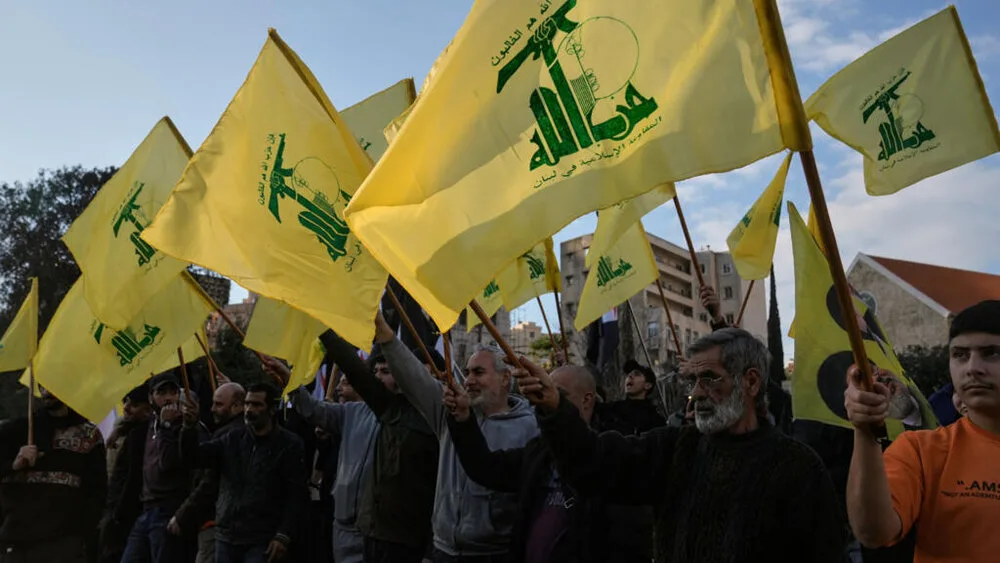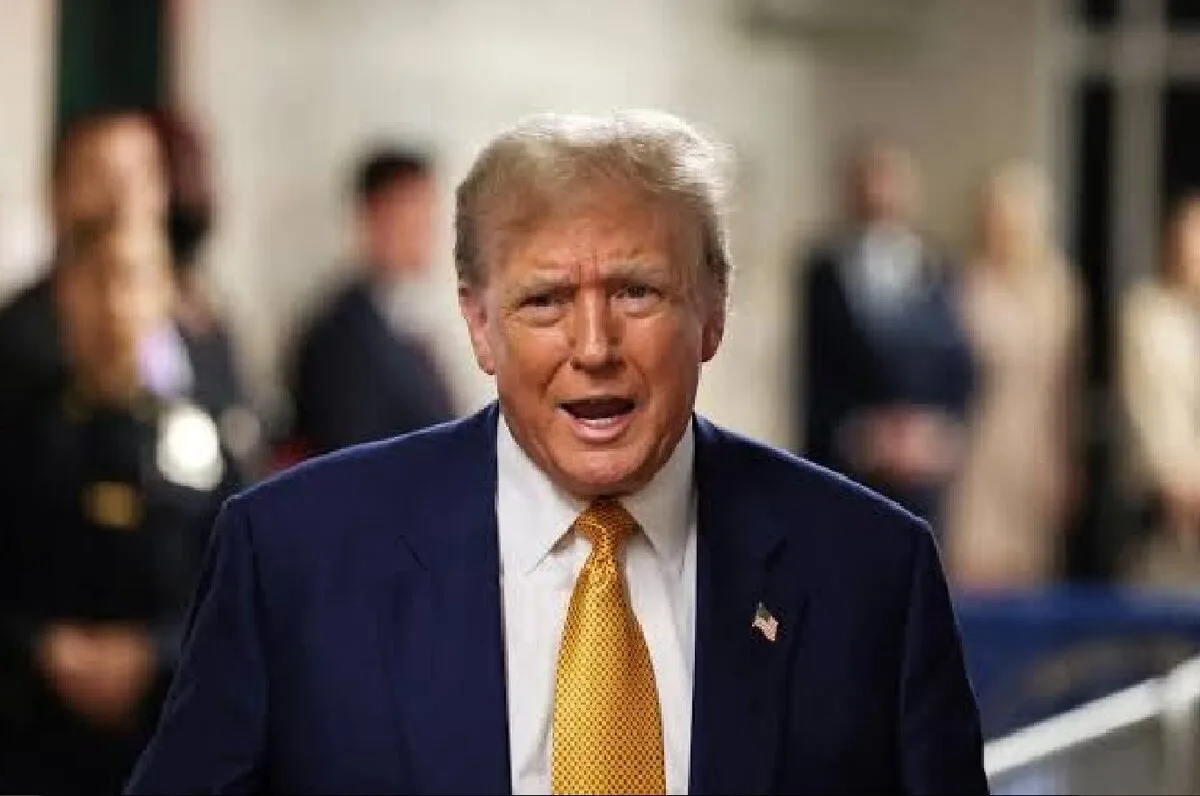
The United States government is in a complex situation as tensions between the U.S. and its allies in West Asia have significantly increased. In this context, Donald Trump, the President of the United States, has been exploring three different approaches to engage with the Islamic Republic of Iran. These approaches have gained particular importance in the current climate of heightened tensions in the region.
First Approach: Economic Pressure on Iran
U.S. officials, including Scott Basset, the Secretary of the Treasury, and John Ratcliffe, the Director of the CIA, have advised Trump to continue the campaign of economic pressure on Iran. This advice is based on the premise that 'long-term economic suffering' could compel the Iranian government to make more concessions or lead to internal instability. According to Ratcliffe, this instability could pave the way for unrest and dissatisfaction among the people in Iran.
Read more: Xi Jinping: The relationship between China and Oman is a strategic choice for both countries
Second Approach: Diplomatic Agreement
In contrast, James David Vance, Trump's Deputy, and Steven Witkoff, his Special Representative for West Asia, have proposed a different approach. This group believes that achieving a diplomatic agreement with Iran could help reduce tensions. This approach also includes warnings that renewed military adventurism may not help improve the situation. Notably, most Gulf countries support this approach and seem inclined to pursue a diplomatic route rather than military confrontation.
Third Approach: Military Operations
On the other hand, Benjamin Netanyahu, the Prime Minister of the Israeli regime, and Peter Brian Hegseth, the U.S. Secretary of War, have suggested a completely different approach. They have urged Trump to resume military operations against Iran and claimed that Iran cannot be trusted for negotiations or adherence to agreements. This approach reflects deep security concerns among U.S. allies in the Gulf region.
Consequences and Challenges
These different approaches clearly illustrate the challenges Trump faces in dealing with Iran's policies. Additionally, this diversity of approaches could lead to divisions in U.S. foreign policy and impact the country's relations with its allies. In the current situation, Trump must make a decision that considers not only U.S. interests but also regional stability.
Ultimately, while some officials emphasize economic pressure and diplomatic agreements, others view military operations as the only solution to existing problems. This diversity in approaches reflects a lack of consensus in U.S. foreign policy and could have profound effects on the future of Iran-U.S. relations.
Read more: The White House and Trump's plans for governance without Congress · Hormuz in response to Iran's demands; Tehran's 7-step proposal for negotiations with the U.S.