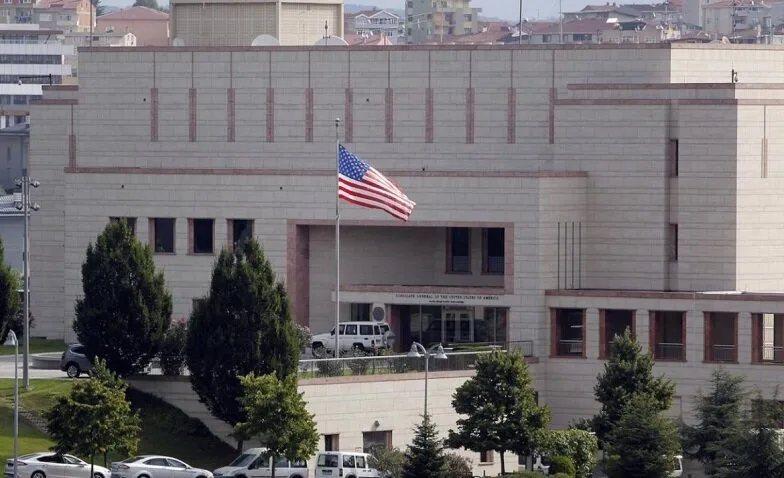
The U.S. embassy in Baghdad is now examining new conditions as one of the centers of diplomacy in Iraq. With the announcement of the end of the U.S. international coalition mission in the country, efforts to limit the embassy's activities to purely diplomatic areas have intensified. These developments come at a time when military and security cooperation between Iraq and the U.S. is also changing.
Background of the International Coalition Mission
The international coalition led by the United States was formed in 2014 to combat terrorist groups such as ISIS. This coalition aimed to strengthen Iraqi forces and provide them with military advice. However, with the announcement of victory over ISIS and the reduction of security threats, it is now time to gradually reduce its military activities.
Read more: Tankers in the Strait of Hormuz Came Under Fire
Changes in the Embassy's Mission
In light of these developments, the U.S. embassy is also under pressure to reduce its level of activities. Concerns about the security of staff and the high costs of maintaining the embassy have prompted officials to reconsider diplomatic strategies. For this reason, some embassy staff may return to their home country in the near future.
These changes in diplomatic activities are particularly significant as Iraq moves towards political and economic stability. Iraqi officials are also paying close attention to this issue and are calling for a reduction of foreign military presence in their country.
Consequences and Reactions
Reducing the level of the U.S. embassy's activities in Baghdad could have significant implications for the relations between the two countries. On one hand, this move could strengthen Iraqi sovereignty and reduce dependence on foreign forces. On the other hand, it may raise concerns about security and internal stability in Iraq, especially as terrorist groups have not yet been completely eradicated.
Ultimately, these developments reflect profound changes in international and diplomatic policies that could have widespread impacts on the region. Given the current circumstances, it is expected that this issue will be discussed in future negotiations between Iraq and the United States.
Read more: Benjamin Netanyahu Announced the Expansion of Israel's Naval Capabilities · Al-Wala'i: U.S. Admission of Its Losses in Iraq Indicates the Power of Resistance