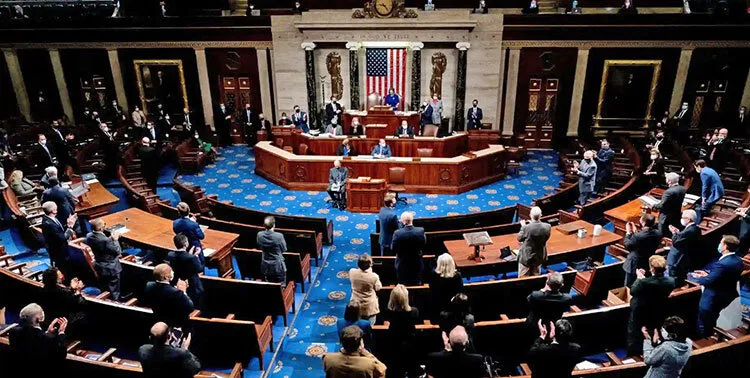
The U.S. House of Representatives has passed a bill titled "Lindsey O. Graham's Russia and Iran Sanctions Act of 2026," aimed at reducing the revenue sources that contribute to funding the war between Russia and Ukraine. This 61-page law has now come into effect after being approved by the U.S. Senate with 86 votes in favor and 11 against.
New Sanctions Against Russia and Iran
The new bill targets sanctions on Russian officials, banks, and the oil tanker fleet known as the "shadow fleet," which helps sustain Russia's energy exports. Additionally, this law allows the Trump administration to impose tariffs of up to 100% on the five largest importers of Russian oil or natural gas. However, countries that import less than 15% of Russia's natural gas and have taken steps to reduce these imports will be exempt from these tariffs.
Read more: Iran's Maritime Blockade by the U.S. Cost Washington $7.1 Billion
Pressure on China and Global Impacts
This bill also allows the Trump administration to impose tariffs on imported goods from China if it continues to purchase Russian oil for national security reasons. This approach is designed to pressure China into reducing its energy imports from Russia. The Atlantic Council has stated that this law creates the most significant new authority to impose tariffs of up to 100% on third countries.
The bill also considers new sanctions against Iran, particularly in the areas of arms and energy. At Trump's request, the powers related to sanctions aimed at reducing financial resources in these sectors have been extended. This law also extends the Iran sanctions enacted in 1996, aiming to exert more pressure on the country.
Ukrainian President Volodymyr Zelensky had urged senators to support this bill before its passage, and it appears to be the most ambitious action following Trump's return to the White House to support Ukraine. This bill effectively ends a nearly two-year stalemate regarding assistance to Ukraine.
Ultimately, this bill seeks to help maintain the national security of the United States and its allies by increasing pressure on Russia and Iran. The passage of this law represents a fundamental shift in U.S. foreign policy and the country's commitment to supporting Ukraine and countering threats from Iran and Russia.
Read more: U.S. House of Representatives Passes Bill to Sanction Russia and Iran · Wang Yi's Message to Araqchi; China's Request to Iran and the U.S. to Reduce Tensions