United Airlines, one of the largest airlines in the United States, has decided to revise its flight schedules due to a significant increase in jet fuel prices. These changes are seen as a necessary measure to maintain the company's economic balance, especially as fuel prices have risen dramatically.
Impact of Rising Fuel Prices on Flight Schedules
Michael Leskinen, the Chief Financial Officer of United Airlines, announced at a Morgan Stanley conference that the company will cancel some of its flights scheduled for December. He explained that marginal routes that were profitable under normal conditions are no longer economically justified due to rising fuel costs, and therefore have been reduced. These changes are aimed at maintaining the company's profitability and free cash flow.
Read more: White House Criticizes: The Increase in Federal Reserve Interest Rates is Regrettable
Future Predictions and Impact on Passengers
Leskinen also warned that if fuel prices remain high, the company may adjust its flight capacity in the first quarter of 2027 and beyond. He emphasized that United Airlines is not seeking to increase its market share and is primarily focused on profitability. This means that passengers may face delays in the transfer of increased fuel costs through ticket prices, especially since some tickets for the fourth quarter have already been sold.
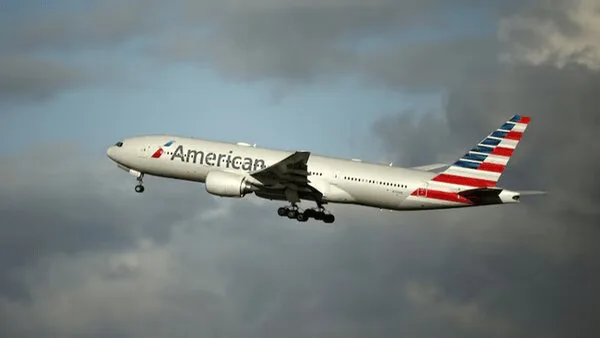
This economic pressure is not unique to United Airlines, as other U.S. airlines, including American Airlines and Southwest, are also revising their flight schedules. American Airlines has reported a significant increase in fuel costs in the fourth quarter, and Southwest has also reduced its capacity growth plans.
Global Impacts and the Future of the Airline Industry
The increase in jet fuel prices, attributed to recent developments in the Strait of Hormuz, has once again become one of the determining factors for airlines' flight capacities. If this situation continues, there is a likelihood of further revisions to flight networks in the coming months. These developments could significantly impact air travel costs and passenger planning, highlighting the fragility of the airline industry against global fluctuations.
Overall, the decision by United Airlines and other airlines to revise their flight schedules reflects the serious challenges facing this industry in dealing with rising costs and the need to maintain profitability. The future of this industry is heavily dependent on economic conditions and fuel prices, and it remains to be seen how companies will cope with these challenges.
Read more: The Rising Trend of Dollar and Euro Rates in Today's Currency Transactions · Record High Fuel Prices in America: 60% Surge in Diesel Amidst the Iran War