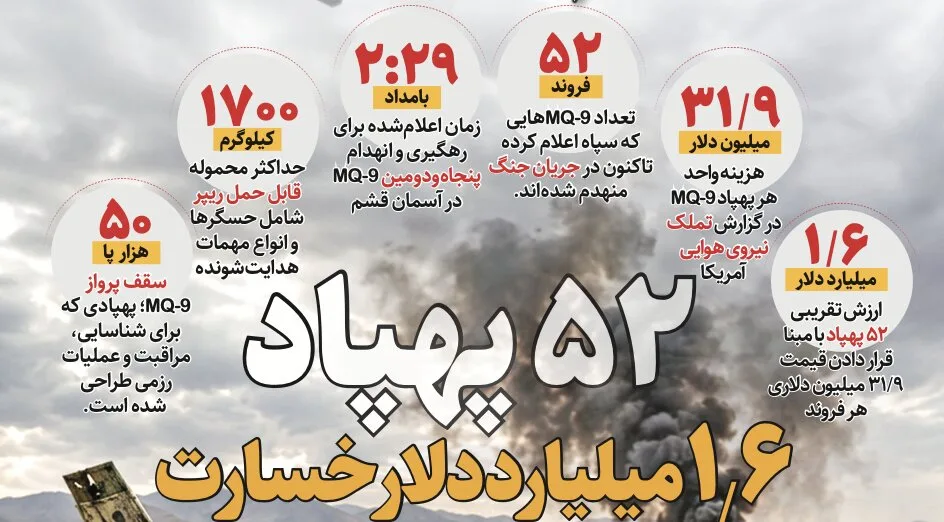
The economic damages caused by unrest in Iran have reached 1.6 billion dollars. This figure not only reflects the extensive dimensions of this crisis but also reveals its direct impacts on the daily lives of people. In these circumstances, many businesses are facing serious challenges, and it seems that the consequences of this unrest will continue.
Causes and Reasons for the Unrest
The unrest in Iran has arisen from various reasons, including social, economic, and political dissatisfaction. Rising prices, unemployment, and the failure to meet the basic needs of people are among the factors that have fueled public anger and dissatisfaction. This dissatisfaction has gradually turned into street protests and, at times, has led to violence and destruction.
Economic Impacts of the Unrest
The economic impacts of this unrest are evident across all sectors of society. Many businesses have been forced to close due to the restrictions caused by protests and the fear of destruction. For example, stores and commercial centers in various regions of the country are facing a sharp decline in revenue due to insecurity and an inability to attract customers. This situation has not only exacerbated unemployment but has also increased the cost of living for households.
On the other hand, the government has been compelled to adopt various economic measures to control this unrest and restore calm to society. While these measures may lead to relative stability in the short term, there is a need for fundamental reforms in the economic and social structure of the country in the long term.
Future Outlook
Currently, Iran's economic future is affected by this unrest, and it remains to be seen whether the government will be able to address the damages through effective policies. In this regard, international cooperation and economic support could help improve the situation, but this requires political and social stability.
It seems that with the continuation of this situation, there is a need for serious changes in economic and social policies. People are not only seeking a return to normal life but are also demanding fundamental changes in the country's economic and social system. In these circumstances, it is time for officials to listen to the voices of the people and take steps towards real reforms.
Read more: The price of the Iraqi dinar in the Tehran market reached 150,000 tomans · Meeting of Vishwa Nagi, the new Indian ambassador, with Majid Takht-Ravanchi