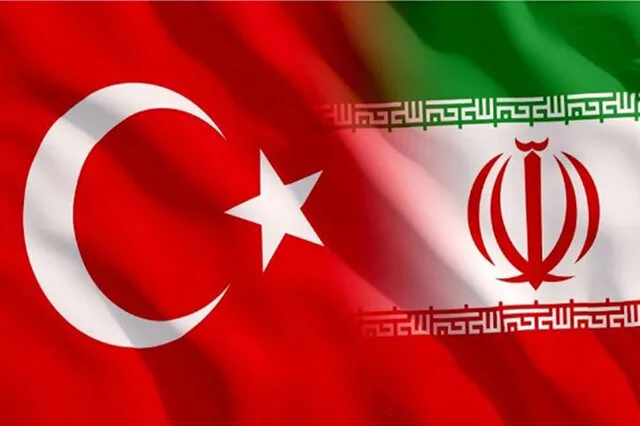
Turkey's actions against Iran have significantly increased in recent days. The cancellation of the Istanbul branch license of Bank Mellat, restrictions on Iran's access to gas money, and problems with the passage of Iranian trucks at the Bazargan border are all signs of a shift in Ankara's approach to economic relations with Tehran. These developments come at a time when Washington's economic pressures on its allies to reduce economic ties with Iran have intensified.
Cancellation of Bank Mellat's License and Its Consequences
The latest action is the decision by Turkey's banking regulatory authority to revoke the operating license of the Istanbul branch of Bank Mellat. Although this decision does not directly reference U.S. sanctions, reports indicate that this action was taken following increased pressure from Washington on its allies to limit economic relations with Iran. Bank Mellat is one of Iran's important banks that has had extensive commercial cooperation with Turkey, and this action could seriously impact the economic relations between the two countries.
Read more: Iranian Rice in the Market: Prices and Supply Status on the Brink of New Changes
Trade Challenges at the Bazargan Border
Additionally, problems with the passage of Iranian trucks at the Bazargan border have become a bottleneck for trade between the two countries. Reports indicate that in recent months, Iranian trucks have faced long queues at the border. This situation not only imposes higher costs on exporters but also increases the risk of perishable goods being lost. Therefore, resolving border issues must become one of the main priorities of economic relations between Tehran and Ankara.
Turkey's Economic Policies Towards Iran
Meanwhile, Turkey's Minister of Treasury and Finance has explicitly stated that Ankara will not pay Iran for gas directly, and these resources can only be used for purchasing goods permitted under U.S. sanctions. This approach could negatively impact Iran's revenues and somewhat take it out of the analysis of Iran's economic interests. As a gas seller, Iran should be able to negotiate how to collect its revenues and should not be under pressure from the purchasing party.
Historical Relations Between Iran and Turkey
The relationship between Iran and Turkey is historical and complex. In the past, Iran provided significant political support to the Turkish government during the failed coup in 2016. This neighborhood should not be viewed as a one-sided relationship. Instead, both countries are expected to respect each other's economic and security interests and base their relations on mutual benefits.
At the same time, Iran must accelerate the development of legal and low-cost pathways for banking settlements. Utilizing bilateral monetary agreements and national currencies can be effective in this regard. Successful experiences in trade with countries like China show that trade relations can be maintained without directly passing through Western banking structures.
Ultimately, if Turkey's recent actions go unanswered, they may lead to a steady and negative trend in the relations between the two countries. Iran must respond to these challenges with prudence and careful planning and ensure that its interests are not undermined.
Read more: Government and the Challenge of Determining Workers' Wages on the Night of Eid · America's Need for Strategic Oil Reserves Amid Rising Prices