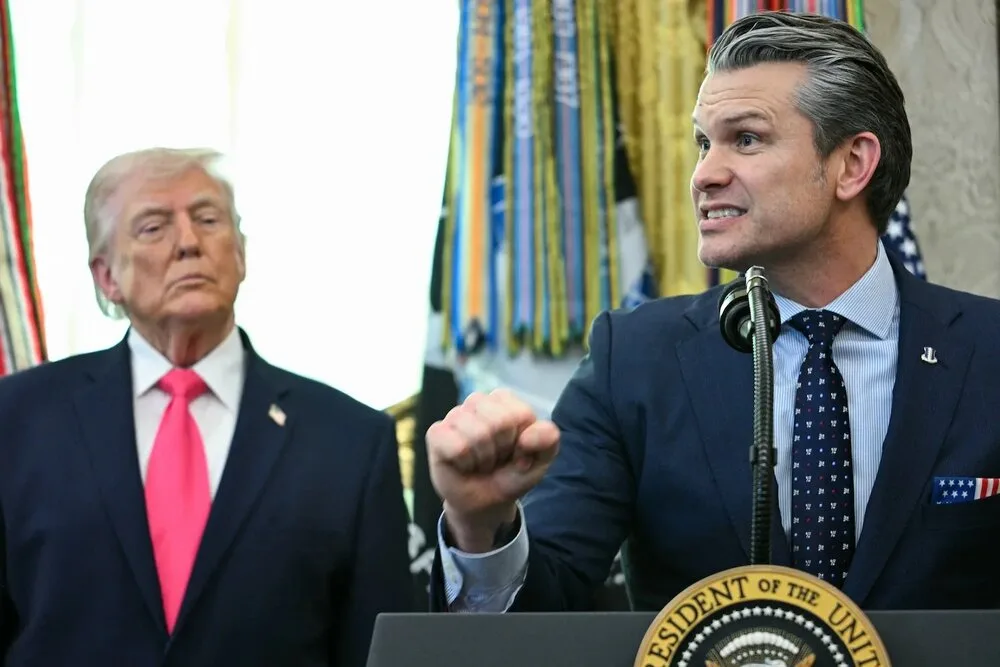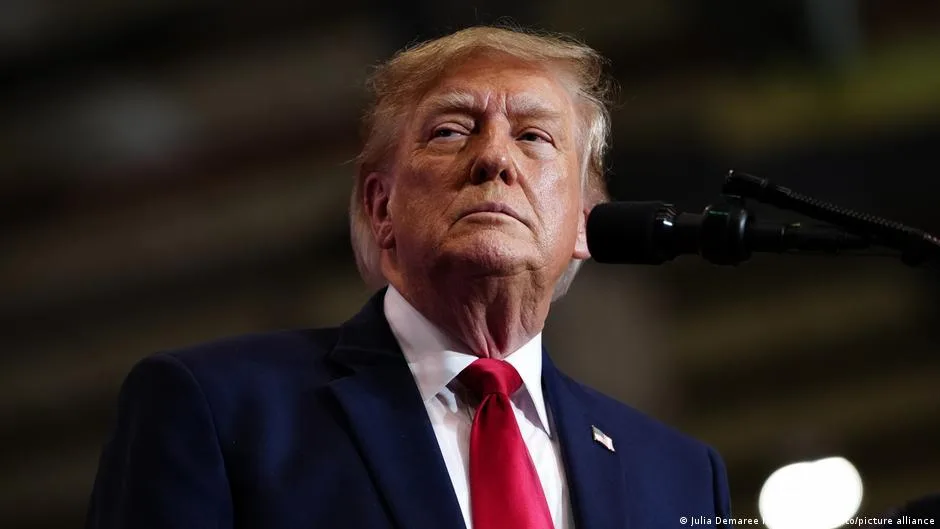
The Donald Trump administration, the President of the United States, has clearly stated that it is not seeking negotiations with the Islamic Republic of Iran. Trump told reporters at a press conference at Andrews Base: "We are not negotiating with Iran, but soon there will be a change regarding Iran." These statements come as the geopolitical and political situation in the Middle East is severely affected by tensions.
Impact of Regional Tensions on U.S. Policies
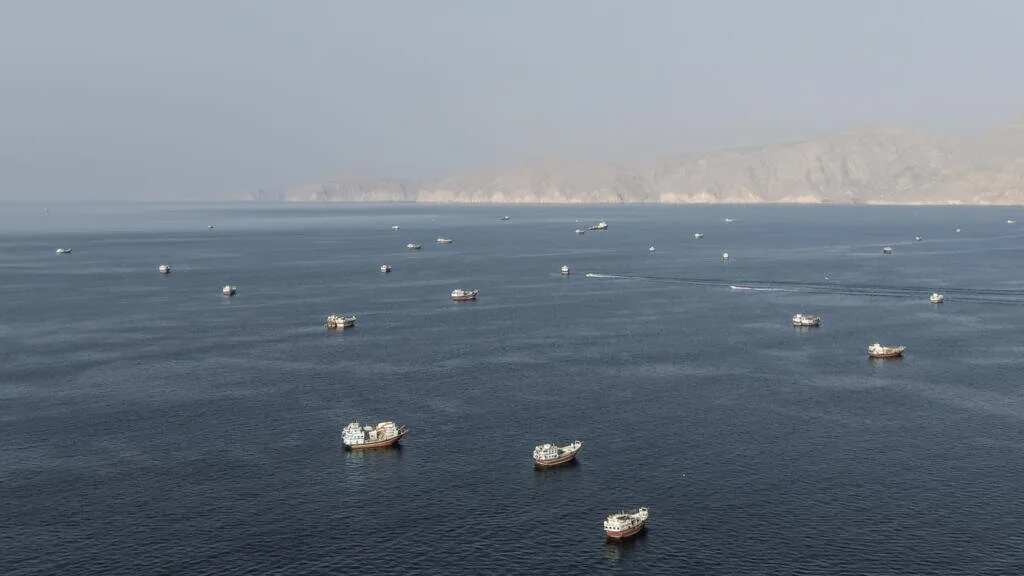
The existing tensions in the region, especially in Iran, Yemen, and Ukraine, currently pose serious concerns for global security. These crises have somewhat impacted the security of shipping in the Strait of Hormuz and Bab-el-Mandeb and have cast a shadow over the future of economic and political interactions among countries. However, Trump has clearly shown that he has no desire to enter negotiations with Iran, and this issue could have serious consequences for regional diplomacy.
Read more: The U.S. has issued an order for some of its diplomats to leave Arab countries
Emerging Diplomatic Talks
Meanwhile, a diplomatic source from Turkey has reported that Hakan Fidan, the Turkish Foreign Minister, will host his counterparts from various countries, including Egypt, Pakistan, Saudi Arabia, the United Kingdom, France, and Germany. This meeting, aimed at discussing regional conflicts, could be seen as an effort to reduce tensions and find diplomatic solutions. Fidan is expected to emphasize the necessity of achieving a diplomatic solution to the recent wars and also support Saudi Arabia's security against Houthi militant attacks.
In this context, the foreign ministers of the E3 group, including the United Kingdom, France, and Germany, will also meet with their counterparts from the newly formed R4 group. This new group, besides the E3 countries, includes Egypt and the signatories of the Mecca defense agreement, which seeks to create coordination on various issues, including the Palestinian crisis and developments in Yemen.
It seems that the recent conditions and developments in the Middle East require special attention from various governments. In this regard, Amin Nasser, the CEO of Aramco, has recently announced that Saudi Arabia is seeking cooperation with other countries to expand its oil reserves. Predictions indicate that after the Iran war, oil demand will increase to 3 million barrels per day. This comes as Saudi oil production has significantly decreased due to recent tensions, and Aramco is currently exploring alternative routes for oil exports.
Overall, Trump's statements and recent developments in the Middle East indicate a shift in diplomatic approach towards Iran and the region. These changes could bring new challenges and opportunities for regional countries and international actors and affect the future of relations between Iran and the U.S.
Read more: Qatar and France condemned Iran's operations against the U.S. · Gholamhossein Darzi sent a letter to the Security Council regarding the maritime blockade