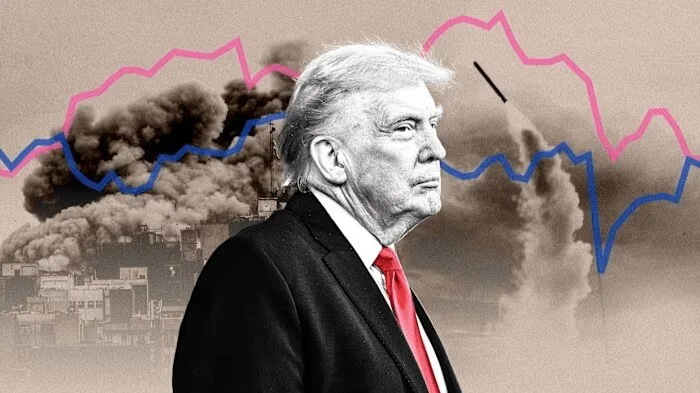
Triple Red refers to a situation where U.S. stocks, Treasury bonds, and the dollar fall simultaneously. Generally, investors in past decades have believed that during a crisis, bonds act as a safe haven and the dollar strengthens. However, under Triple Red conditions, this belief is shattered and all economic foundations collapse at once.
The Danger of Triple Red Becoming a Stable Regime
Analysts in their assessments point to the main danger not only of an abrupt occurrence of Triple Red but also the possibility of it becoming a stable "regime." This trend could last for months or years and structurally undermine diversification. Two historical precedents of this situation are the stagflation of the 1970s and the consequences of the Plaza Accord in the late 1980s, both of which significantly impacted economic conditions.
Read more: 40% Increase in Internet Tariffs and User Dissatisfaction with Quality
The closure of the Strait of Hormuz, considered one of the most critical strategic points for oil supply, could seriously affect this situation. The World Bank reports that disruption in the Strait of Hormuz could trigger the largest shock in oil market history, leading to a sharp decline in global oil supply. This situation could trap the Federal Reserve in a historical dilemma, where lowering interest rates to support growth significantly increases energy inflation.
Market Impacts and Liquidity Crisis
Market analyses in September 2026 indicate that the strong dollar narrative, which was based on three pillars: military, economic, and monetary policy, is shaking. This tremor could cause investors to quickly reduce their American assets, leading to the selling of bonds and abandoning the dollar. This situation puts pressure on all three sides of Triple Red.
Ray Dalio, a prominent analyst, has warned that the bearish market for U.S. bonds has a long way to go. This situation could lead to forced asset sales and exacerbate price declines. In a high-probability scenario, the continuation of tensions with Iran and the Federal Reserve's inability to rebuild the strong dollar narrative could lead to a liquidity crisis.
History shows that in 16 major liquidity crises, 15 of them fell at least three consecutive times before occurrence. If the Strait of Hormuz remains completely and long closed, the likelihood of Triple Red transforming from a temporary shock to a stable regime significantly increases. This could further erode the credibility of policymakers and create conditions for a serious crisis to occur.
Read more: Sudden Increase in Internet Prices by Irancell and Hamrah Aval · Abdolnaser Hemmati Secures $20 Billion in Currency for the Second Half of the Year