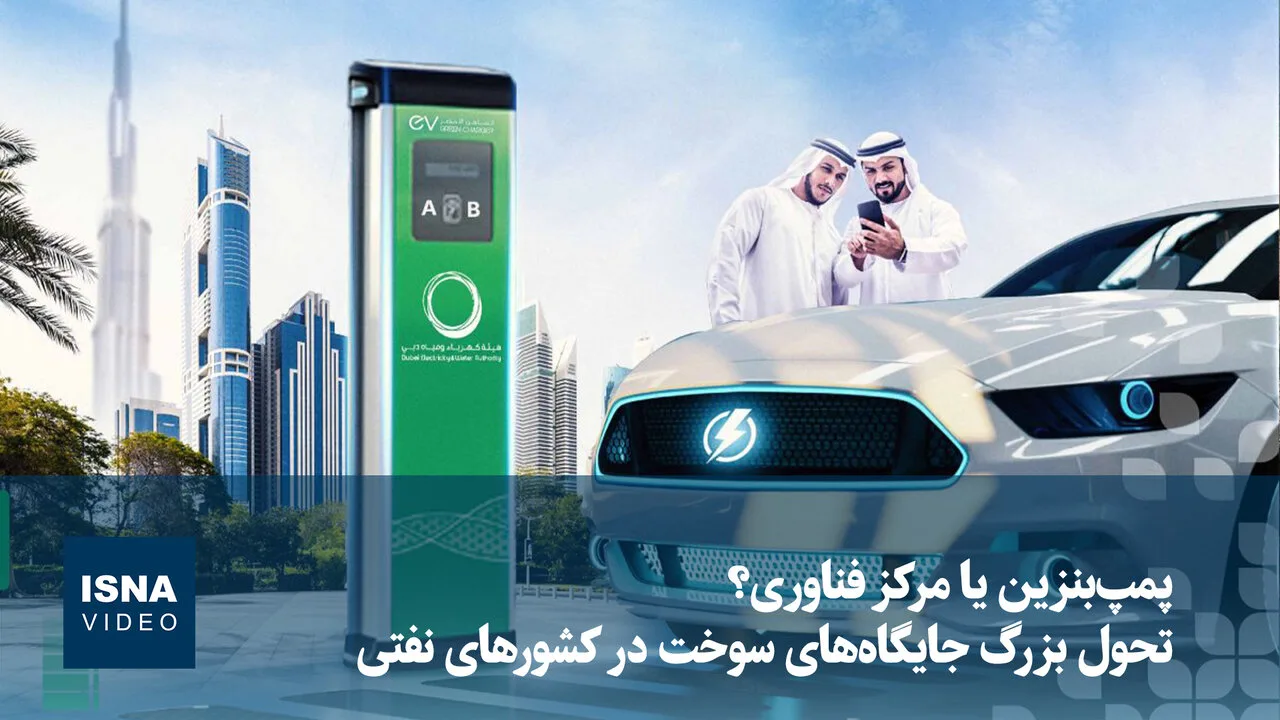
Fuel stations in the Middle East are no longer just places for refueling. In oil-rich Gulf countries, these locations are transforming into multifunctional centers that, in addition to providing refueling services, offer other facilities and services.
Transformation in Station Structure
In recent years, Gulf countries have been seeking to develop energy infrastructure and improve services for their citizens. In this regard, gas stations have become technology and service centers that include ultra-fast charging for electric vehicles, convenience stores, restaurants, and even energy production and storage stations. These changes have particularly emerged following the increased use of electric vehicles and the need for suitable infrastructure for their charging.
Read more: The European Commission opposed the ban on U.S. diesel exports
Innovative Services and Public Welfare
New fuel stations are not limited to refueling; they have also become places for rest and shopping. For example, many of these locations now feature cafes and restaurants that can entertain customers while they wait for refueling. Additionally, grocery stores and everyday products are also commonly found at these locations.
Moreover, with the increasing attention to environmental issues, many of these stations are moving towards the use of renewable energy. Some even have solar panels that help produce energy and reduce costs. These efforts reflect the region's countries' attempts to reduce dependence on fossil fuels and move towards cleaner energy.
Economic and Social Implications
These transformations not only impact energy infrastructure but also have economic and social implications. With the increasing number of electric vehicles and the need for fast charging, new job opportunities are being created in this sector. Furthermore, with improved facilities and welfare services at fuel stations, the quality of life for citizens is enhanced.
The transformation of fuel stations into technology centers clearly indicates fundamental changes in the energy and fuel industry in the Middle East. These changes not only meet energy needs more efficiently but also contribute to improving social and economic services, shaping the future of energy in this region.
Read more: Decrease in commercial profit in Citizen stores and the start of support plans · Saudi Arabia and Jordan denied their officials' presence in the meeting with Netanyahu