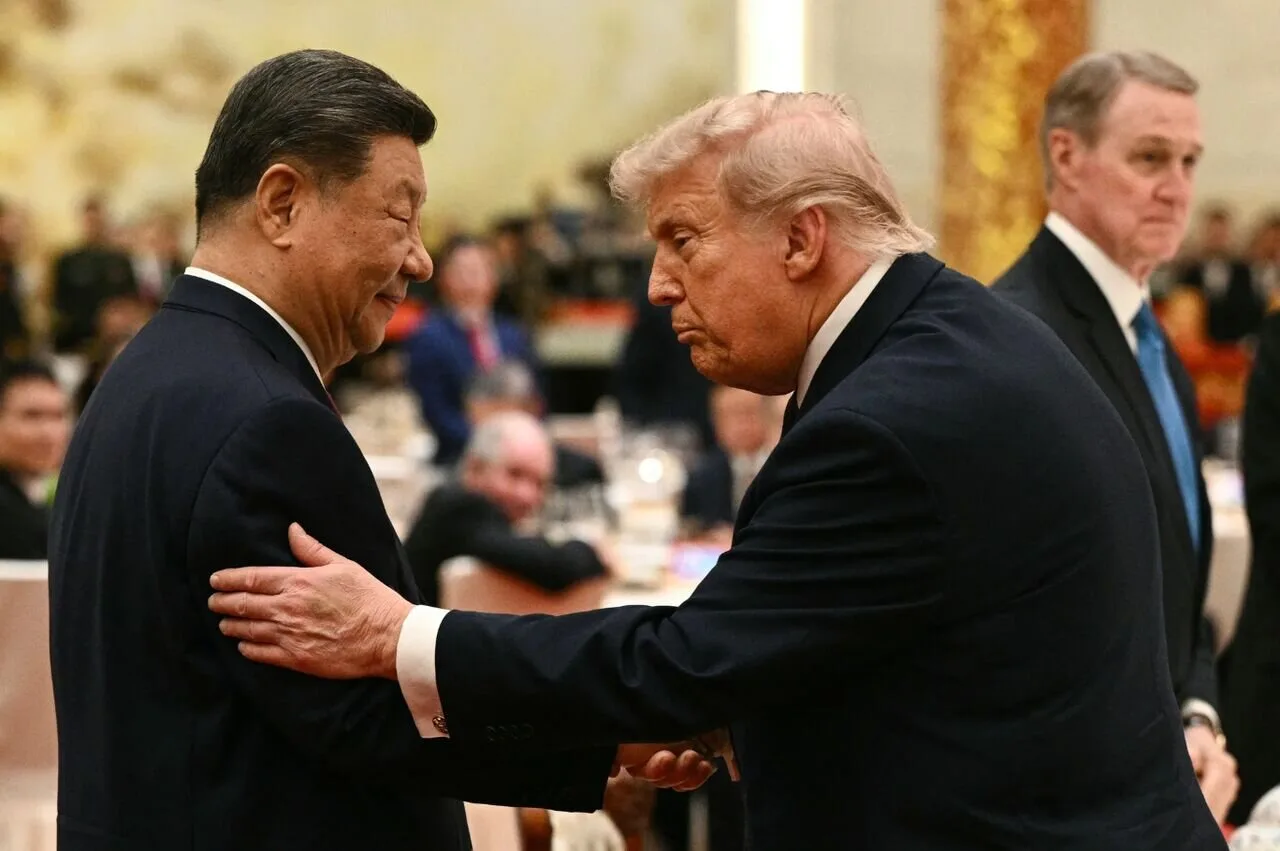
The Trump administration recently reacted to the statements of "David Perdue," the U.S. ambassador to China, by issuing a statement. Perdue stated in an interview with Fox News that President Donald Trump had suggested during Xi Jinping's recent visit to the United States that he buy weapons from the U.S. These statements raised concerns about military communications between the two countries.
Trump Administration's Response to the Ambassador's Statements
Following David Perdue's remarks, a U.S. official told the Wall Street Journal that the Trump administration has no plans to sell weapons to China. This official emphasized that such a deal is not on the administration's agenda at all. It seems that this response was intended to clarify ambiguities and prevent any misunderstandings in the relations between the two countries.
Read more: The Israeli regime closed the West Bank under the pretext of Jewish holidays
Legalities and Restrictions on Arms Sales
In addition to the statement from the U.S. official, another official stated that selling weapons to China is legally prohibited, and no plans or proposals have been made for this purpose. These comments clearly indicate that the Trump administration is strictly adhering to the existing laws and restrictions regarding arms sales and does not want to jeopardize military relations with China.
The issue of arms sales to China has always been a sensitive matter in recent years that could have profound effects on international relations and global security. In this regard, U.S. officials respond to this issue with caution and care, seeking to prevent any further tensions.
Ultimately, Perdue's statements and the government's responses to them can serve as a reminder for all parties that caution and adherence to laws are essential in the realm of arms sales and military communications. This issue is particularly important in the current climate of increasing international tensions.
Read more: The Swiss stood against strict changes to neutrality · The Trump administration and the forgetting of Palestine in the new Middle East