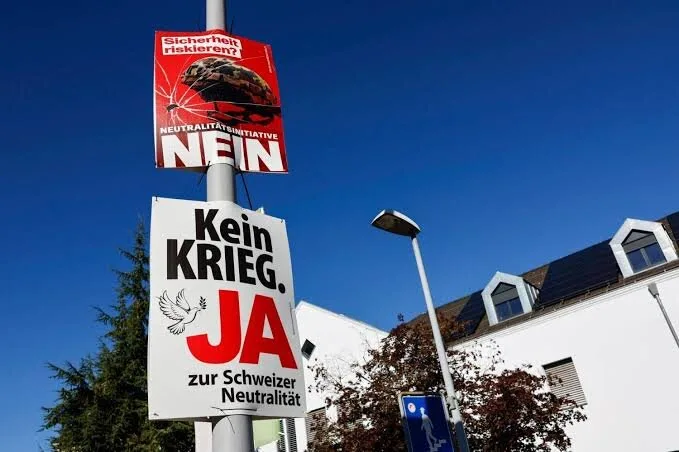
Switzerland, a country that has always been regarded as a symbol of neutrality in the international arena, has faced a serious challenge. In a recent vote, a decisive majority of Swiss citizens rejected a proposal that would have tightened the country's neutrality status. Specifically, this proposal would have prohibited Switzerland from cooperating with NATO and also from supporting the European Union's sanctions against Russia.
Details of the Proposed Plan
The proposal aimed to change Switzerland's neutrality law and, if approved, would have prevented the country from participating in NATO military operations and from supporting economic sanctions against Russia. This action was designed to preserve Switzerland's historical neutrality in global crises, but it faced widespread opposition from the public.
Read more: South Korea demands an apology from Ukraine for the transfer of North Korean prisoners
Social and Political Implications
The results of this vote reflect the Swiss citizens' desire to maintain the identity of their country's neutrality and avoid dependence on military and political blocs. Many Swiss people believe that neutrality allows them to act as a mediator and a center for diplomacy in international crises. This vote also highlights the sensitivities present in Swiss society regarding global developments and the threats arising from wars and international tensions.
Despite international pressures to adopt a tougher stance towards certain countries, the Swiss clearly demonstrated that they will defend their position of neutrality. This action not only represents a victory for neutrality advocates in Switzerland but also sends an important message to other countries that, in today's chaotic world, neutrality and independence from military alliances can be a reasonable option.
Read more: Strict security measures at the commemoration of the martyrdom of Sayyid Hassan Nasrallah · Iran's air restrictions and efforts to maintain trade communications