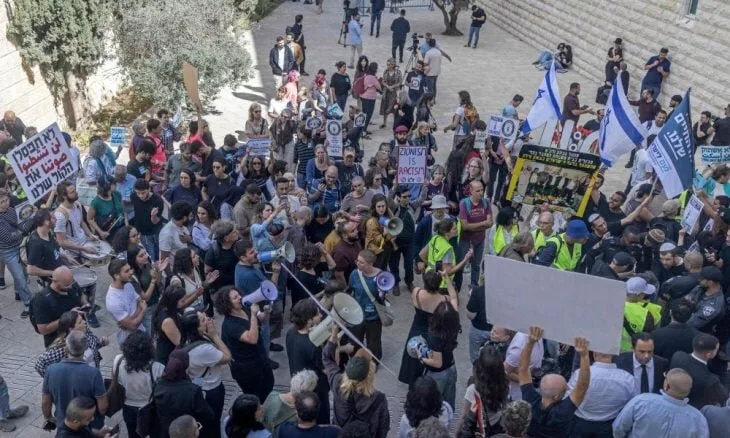
The Supreme Court of the Zionist regime issued a ruling annulling the decision of the regime's "Central Election Committee" to prevent the participation of two Arab lists in the upcoming parliamentary elections. This ruling was issued following a request from these parties to participate in the elections and could bring significant changes to the electoral process and domestic policies of the Zionist regime.
Background of the Case
In recent years, Arab parties in the Zionist regime have faced serious challenges. The Central Election Committee decided this year to ban the participation of two Arab lists, a decision that sparked widespread protests. These parties, including the "Joint List," argued that the decisions of the Central Committee contradicted democratic principles and filed a complaint with the Supreme Court.
Read more: Lukashenko: Belarus will not allow anyone to shoot Russia from behind
The Supreme Court's ruling not only means the return of these two lists to the electoral competition but could also help strengthen the presence and voice of the Arab community in the parliament. This community, which has historically faced discrimination and neglect of its rights, now has an opportunity to have a greater impact on domestic policies.
Political and Social Implications
This decision by the Supreme Court could have profound effects on the political and social landscape in the occupied territories. Given that the upcoming elections are held at a sensitive time, the participation of Arab parties could lead to significant changes in the composition of the parliament. This issue could help strengthen democracy and increase diversity in political decision-making.
Moreover, this ruling could enhance awareness and participation of Arab youth in politics. As the new generation seeks positive changes in their community, this opportunity could serve as motivation for young people to participate in elections and make their voices heard by officials.
Some analysts believe that this decision could lead to strengthened dialogue and cooperation among different parties in the Zionist regime. Such cooperation could benefit all segments of society and help reduce tensions.
Ultimately, the lifting of the ban on the participation of Arab parties in parliamentary elections is seen as a positive step towards improving the political and social conditions in the occupied territories. This decision could be viewed as a sign of positive changes in the Zionist regime's approach to minority rights and cultural diversity in the region.
Read more: Friedrich Merz on the brink of dismissal and political challenges in Germany · The agreement with Iran and its impact on Donald Trump's future