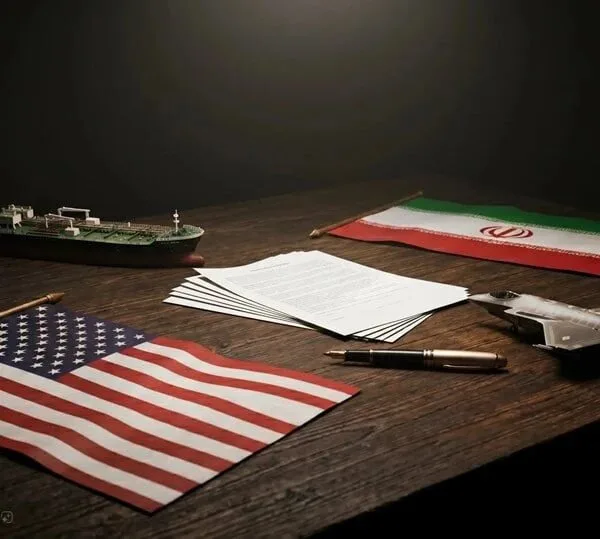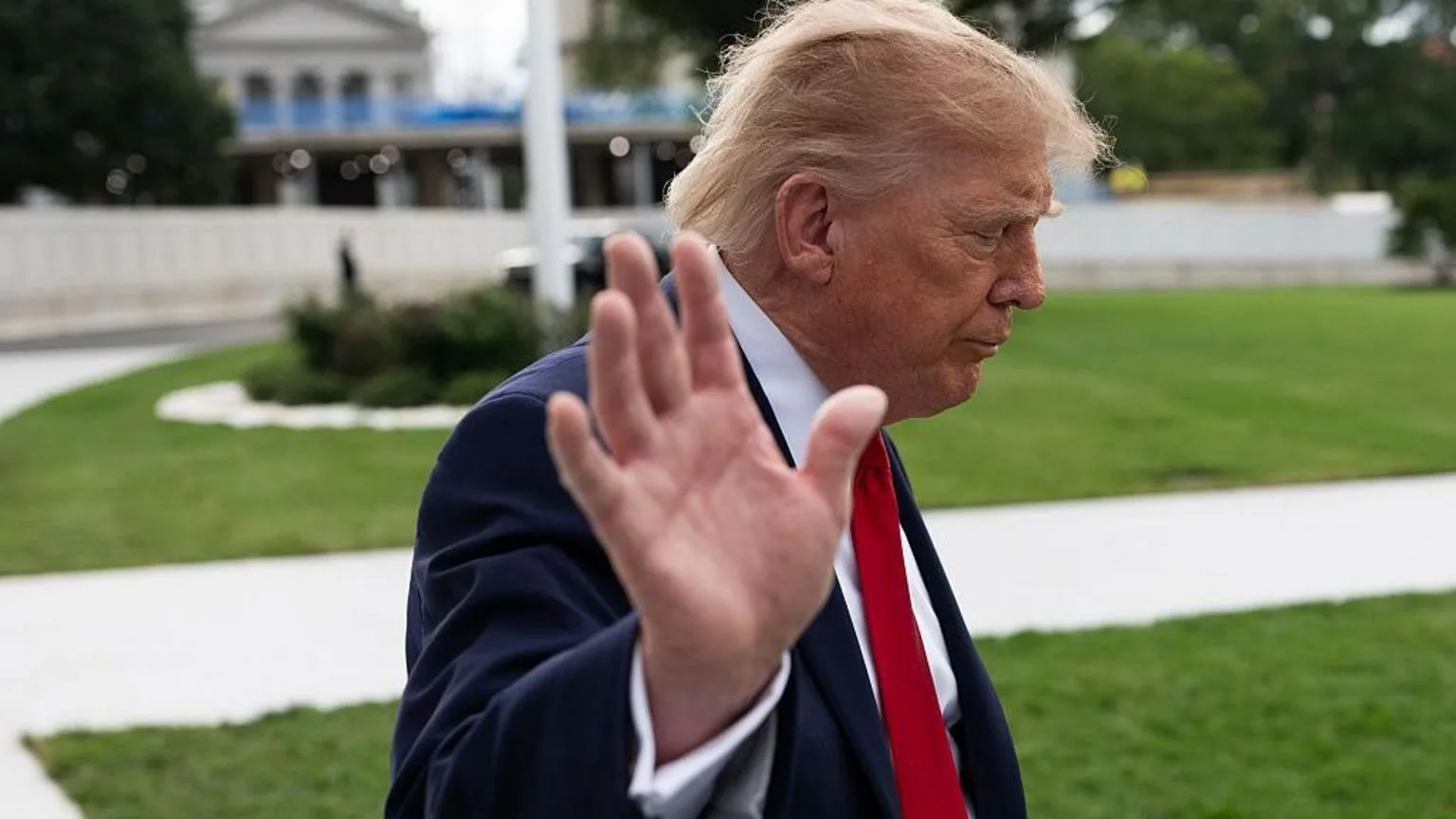
An agreement with Iran could turn out to be advantageous for Donald Trump, the President of the United States. The release of reports about the United States' readiness to reduce sanctions on Iran and free up the country's frozen assets has elicited a reaction from Trump. He has called these reports "false" and has strongly denied them. However, some analysts believe that reaching an agreement with Iran could be beneficial for Trump and the Republican Party on the eve of the midterm elections.
America's Readiness to Compromise
A report from an unnamed American official states that the United States is willing to offer these concessions if Iran also takes effective steps to resolve the "nuclear issue." Axios also published a similar report, which faced a strong reaction from Trump. In a post on the social media platform Truth Social, he deemed this news false and demanded its removal from the Axios website.
Read more: Think Tanks in Turkey's View on Iran and the Future of Bilateral Relations
Analysts believe that reaching an agreement with Iran could not only impact Tehran but also benefit Donald Trump and the Republican Party on the eve of the midterm elections. The New York Times referenced transactions on Monday, September 28, noting that markets still do not see signs of Iran and the U.S. nearing an agreement, which has led to a rise in oil prices once again.
The Impact of War with Iran on Elections
The impact of war with Iran on the U.S. economy has driven many Republicans to oppose it. The congressional elections in the U.S. are only five weeks away, and political observers believe that as the impact of the war on the U.S. economy becomes clearer, the chances of Trump's party members in the elections will diminish. John Thune, the Republican Senate Majority Leader, stated in an interview with Fox News that the main focus of the midterm election competition is on economic issues and the rising prices of gasoline and diesel, adding that the war with Iran has exacerbated these problems.
A new book has been published in the U.S. by Brett McGurk, who was a senior official on the National Security Council during Joe Biden's presidency. In this book titled "Threshold," he discusses Iran's role in the events following Hamas's attack on Israel on October 7 and America's efforts to free Israeli hostages. McGurk writes that in the days following the attack, Iran was trying to pressure U.S. forces stationed in the region through its aligned groups.
Diplomatic Efforts and Their Consequences
McGurk also refers to diplomatic efforts, stating that he was tasked by the U.S. government to conduct secret negotiations with Iranian officials, which were mediated by Oman, but yielded no results. Following these efforts, three American soldiers were killed in an attack in Jordan attributed to Iranian-backed groups, prompting Joe Biden to order retaliatory strikes.
These strikes ultimately led to a decrease in attacks by Iran-aligned groups against U.S. forces. McGurk also recounts that before Israeli officials met with Biden, the Israeli ambassador in Washington pulled him aside and informed him that Israel intended to attack the Iranian consulate building in Damascus. These attacks and direct tensions with Iran have resulted in the U.S. government applying less pressure on Israel.
Read more: Mohib's Account of the Fall of the Afghan Republic and Political Challenges · Admiral Sayyari: Iran's Enemy Does Not Want a Strong and United Iran