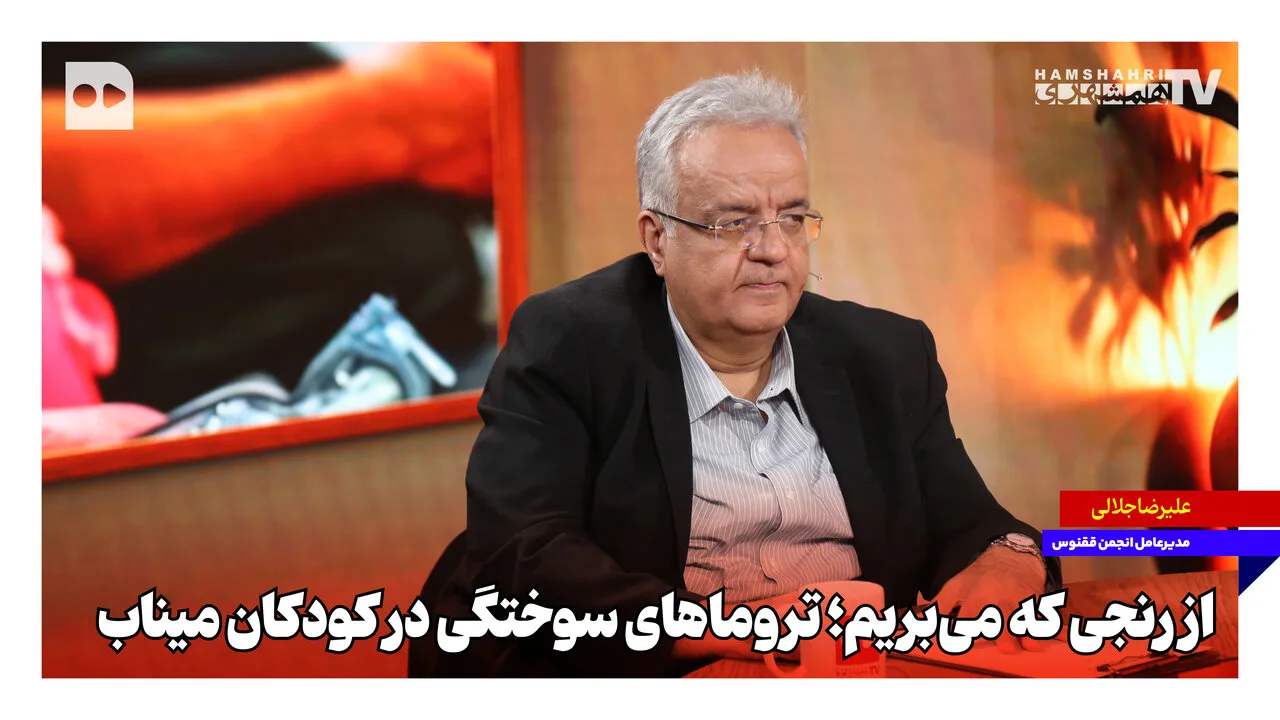
The children of Minab are facing deep and painful burns following a humanitarian disaster. This incident has not only affected their physical health but has also left deep emotional and social scars. While the regional healthcare system still faces serious challenges, the need for psychological and social interventions for these children and their families is felt more than ever.
Consequences of the Burn Tragedy
Burn incidents in children, especially in vulnerable areas like Minab, indicate a lack of adequate access to medical and therapeutic services. These children not only have to grapple with physical pain and the long-term consequences of treatment but also face psychological challenges due to the prevailing social and economic conditions. This situation underscores the urgent need for psychological and social support from responsible organizations and benefactors.
Read more: Appropriate Exercises: The Key to Maintaining Mobility Independence in Middle Age and Old Age
Need for Psychological and Social Interventions
Alireza Jalali, the CEO of the Phoenix Association, emphasizes the importance of creating supportive programs for these children. He believes that medical treatments alone are not enough and that special attention must be given to improving the psychological and social conditions of these children. The psychological trauma resulting from burns can have long-term effects on their lives and may lead to serious problems in the future.
Creating supportive and restorative spaces for these children can help them cope with their pain and achieve psychological improvement. Additionally, providing necessary training to families to support their children during this difficult time is another essential part of this process.
The burn tragedy in Minab once again shows that the mental and social health of any community is as important as its physical health, and in this regard, our responsibility as members of a community should include supporting the victims and striving to create better conditions for them.
Read more: Mohammad Reza Zafarghandi: Iran is Taking Action to Control Dengue Fever and Aedes Mosquitoes · Mohammad Reza Shalabafan: One in Four Iranians Suffers from Mental Disorders