Iranian social literature is filled with stories that depict the lives of people, poverty, love, tradition, historical transformations, class conflicts, and human concerns. From 'Once Upon a Time' and 'The Blind Owl' to 'Savushun', 'Kelidar', and 'The Neighbors', these works provide a lasting image of Iranian society across different periods. Iranian social novels and stories do not merely narrate the lives of fictional characters; many of them serve as a mirror to the social and cultural conditions of their time.
Some Important Works of Iranian Social Literature
'Once Upon a Time' written by Mohammad Ali Jamalzadeh was published in 1921 and is considered one of the important works in the formation of modern and realistic Persian storytelling. This book includes six short stories and a preface, and Jamalzadeh emphasizes the use of simple language close to that of the people. Attention to the lives of ordinary people and social issues is one of the significant features of this work.
Read more: Seyed Abbas Salehi: Culture is Iran's Shield Against Crises
'The Blind Owl' is the most famous work of Sadegh Hedayat, first published in 1936 in Bombay. This novel has a different and complex atmosphere, and its narrator faces mental crises, hallucinations, and the ambiguous boundary between reality and fantasy. 'The Blind Owl' is considered one of the influential works of contemporary Iranian literature, and its unique style has had a significant impact on Persian prose.
Human Concerns in Social Works
'His Eyes' written by Bozorg Alavi tells the story of Master Makan, a famous painter and exile. After his death, a painting titled 'His Eyes' attracts attention. Love, art, and the political atmosphere of the time are important elements of this novel.
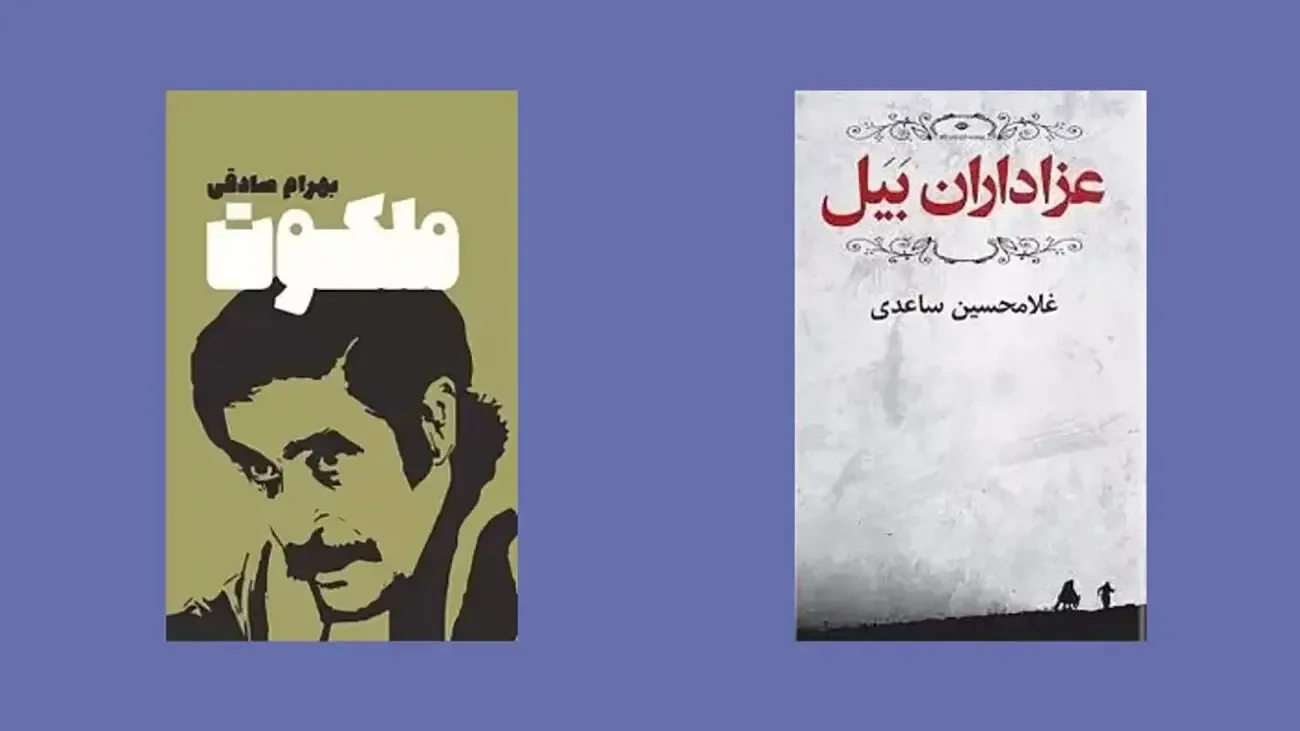
In 'The Mourning of Bill' written by Gholam Hossein Saedi, a collection of eight interconnected stories narrates the lives of the fictional rural people of Bill. Poverty, death, suffering, and social problems are prominently present in these stories. 'The Neighbors' by Ahmad Mahmoud also narrates the life of Khaled, a young man from Ahvaz, during the period before the coup of August 19, and the main character gradually becomes involved with the social and political issues of his time.
'Kelidar' written by Mahmoud Dowlatabadi is one of the very long novels of contemporary Iranian literature, published in 10 volumes. It follows the life of a family that has migrated to Sabzevar and faces difficult social and economic conditions in the years after World War II. The lives of villagers and nomads, human relationships, and social transformations hold an important place in this novel.
Iranian social novels are not just entertaining stories; they provide a picture of lifestyle, human relationships, people's concerns, and the cultural and historical conditions of various periods. These works allow readers to get closer to the world of the Iranian human and their challenges.
Read more: The head of the Hajj and Pilgrimage Organization announced the start of Umrah from the second half of Mehr · Special discounts announced for using Tehran Municipality sports facilities