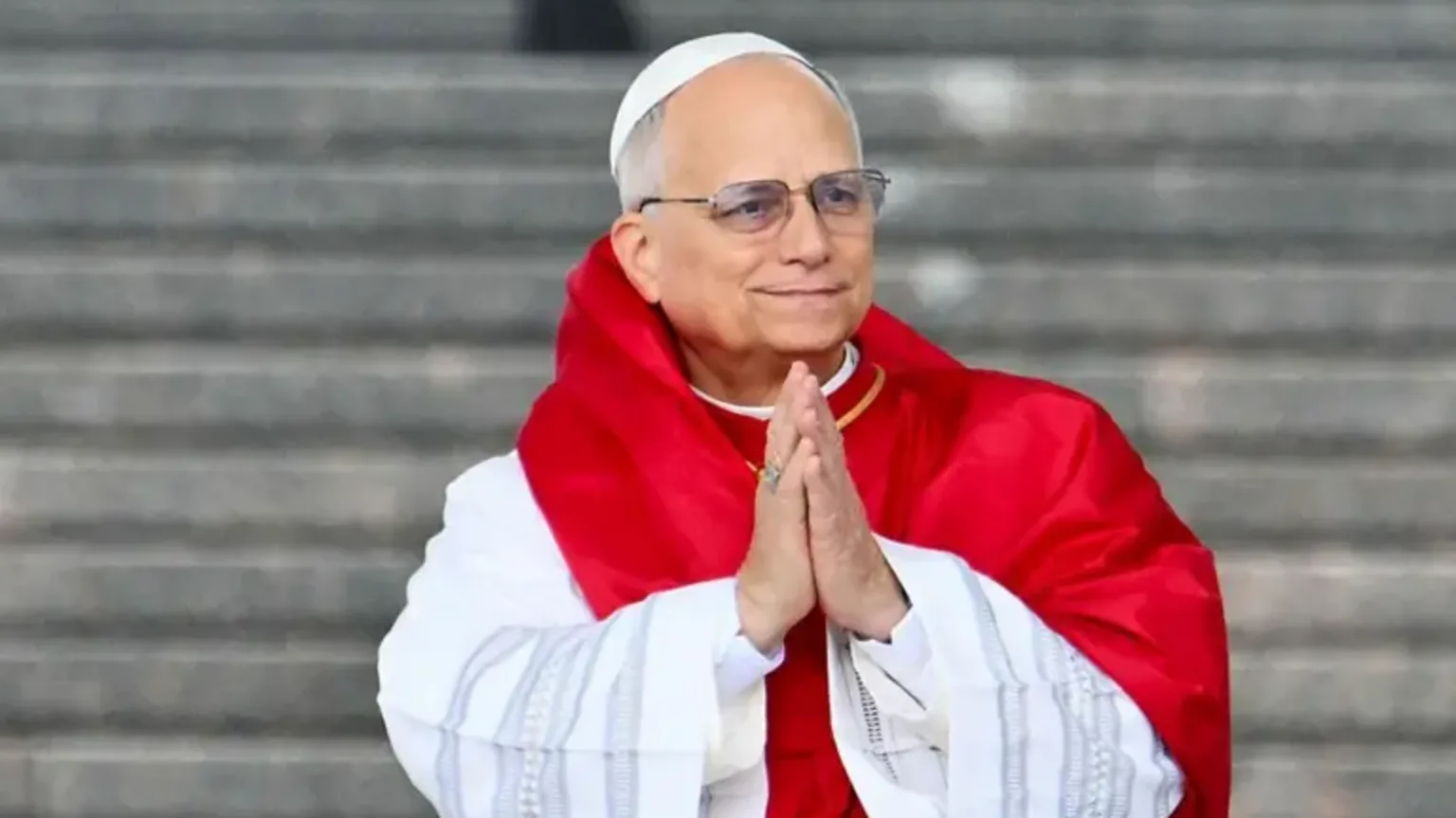
Pope Leo XIV, 71 years old, has been diagnosed with lung cancer and is currently undergoing treatment. This issue has once again raised important questions about the management of the Catholic Church in the event of his incapacity and inability to perform his duties. In a situation where the pope is unable to fulfill his responsibilities due to illness, who takes over the leadership of the Church?
Existing Mechanisms and Their Challenges
Currently, the Catholic Church does not have a clear mechanism for delegating the pope's powers in situations where he is unable to perform his duties. While there are precise rules for succession in the event of the pope's death or resignation, there are gaps in the Church's legal system regarding severe illness. The pope is the highest authority of the Catholic Church and the Vatican City State, and his leadership is of great religious and administrative importance.
In the event of the pope's incapacitation, the management of Church affairs is entrusted to the papal curia, which is the central governing body of the Catholic Church. However, this body cannot make significant decisions that are solely within the pope's purview, such as appointing bishops or declaring saints. In such cases, responsibilities are transferred to the Secretary of the Papal Curia, who is currently Pietro Parolin, but he cannot fully succeed the pope.
Responses to Concerns and New Proposals
Pietro Parolin told reporters that the pope's health situation is concerning, but added that he has spoken with the pope and that this conversation has provided him with reassurance. Although the pope's condition is currently under temporary control, experts warn that if his health issues persist, the Church may face a management crisis.
In recent years, some experts have suggested that in the event of the pope's incapacitation, the College of Cardinals should take on the responsibility of managing the Church, and a commission should be established to periodically assess his health status. This medical committee could review the pope's condition every six months and, if necessary, activate the process of selecting a successor. However, none of these proposals have been implemented so far.
Ultimately, if the pope cannot continue his work for health reasons, the only solution is for him to resign. In this regard, Pope Francis also confirmed in 2022 that he has written a resignation letter to be used in the event of medical incapacity. However, there are still ambiguities about how this resignation would be activated if the pope is in a condition where he cannot express his will.
Read more: Yemen's army missile attacks on the Saudi coalition command center in Aden · A 10-minute walk after breakfast, the key to controlling blood sugar