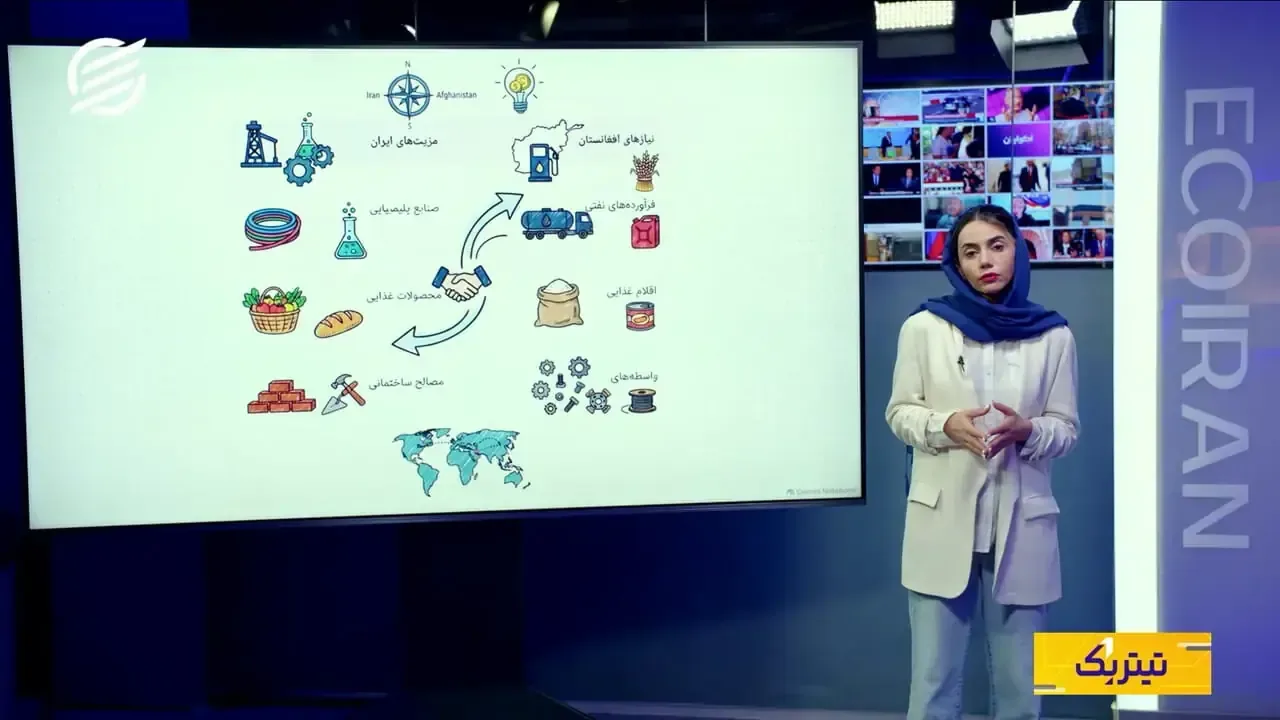
The return of several million Afghan migrants from Iran and Pakistan to Afghanistan is not just a demographic change; this movement could create a major shock to the country's consumer demand. Afghanistan's economy is currently operating with a population of about 40 million, and these changes will directly impact the labor market, services, and consumer goods.
Demographic Movement and Economic Challenges
The return of Afghan migrants to their homeland is occurring due to poor economic and social conditions in host countries, especially in Iran and Pakistan. These individuals bring with them diverse experiences, skills, and needs to Afghanistan. On one hand, this movement can help strengthen the workforce in Afghanistan, but on the other hand, it will also increase pressure on the country's limited resources.
Read more: The Role of the Exploration and Production Sector of Dana in Iran's Oil Industry
Impacts on Consumer Demand and the Market
With the increase in population, the demand for essential goods and services such as food, housing, and healthcare will also rise. This could lead to price increases and market fluctuations. Additionally, one of the main challenges that Afghanistan will face is meeting the basic needs of this newly arrived population. Given that Afghanistan's economic and social infrastructure has not yet improved, this sudden population increase could have serious consequences.
Furthermore, the return of migrants could also bring opportunities for investment and economic growth. Those returning to Afghanistan may be interested in starting small and medium-sized businesses, which could help create jobs and boost the economy. Meanwhile, the government and responsible institutions must develop appropriate programs to manage these changes and capitalize on the opportunities.
Conclusion
The return of Afghan migrants to their country, despite the numerous challenges it brings, could be seen as a turning point in the history of Afghanistan's economy. If the country can make the most of this opportunity, it could move towards sustainable growth and development. However, achieving this goal requires international cooperation and domestic support so that Afghanistan can become a stable and balanced society.
Read more: Hossein Rastgar: The $7 trillion halal market, Iran's share is only 0.2% · Mahdi Pir Salehi: 70% of Iran's cosmetic and hygiene market is domestically produced