Classic cars are recognized not only as vehicles but also as part of the memories and cultural identity of generations. Today, European automakers are redefining these old models for the electric vehicle era instead of discarding them. This approach, known as Restomod, is an effort to combine the beauty of past designs with modern technologies.
Combining Past and Future
In a Restomod vehicle, the appearance and identity of an old car are preserved or redesigned, while its technical components are entirely modern. This includes electric motors, advanced batteries, digital displays, and smart systems. These changes allow the feeling and character of the past to come back to life alongside new technologies.
Read more: The theft of personal data of 2.8 million U.S. military personnel in a cyber attack
The term Restomod is derived from the combination of two words: Restoration and Modification. In this process, the goal is not only to restore the car to its original form; designers can also update the chassis, powertrain, braking system, suspension, and interior equipment.
Emotional Connection with Memories
The introduction of electric drivetrains into this trend has created a new possibility. Classic cars can maintain their historical appearance and character without old combustion engines. For many enthusiasts, old models are not just vehicles; they are part of the memories and emotional experiences of a generation.
On the other hand, the design of new cars has more limitations due to safety requirements and modern technologies. However, returning to classic designs allows automakers to use a different visual language while incorporating modern technologies within it. This contrast between the old appearance and the digital brain is a distinctive feature of the new generation of Restomod cars.
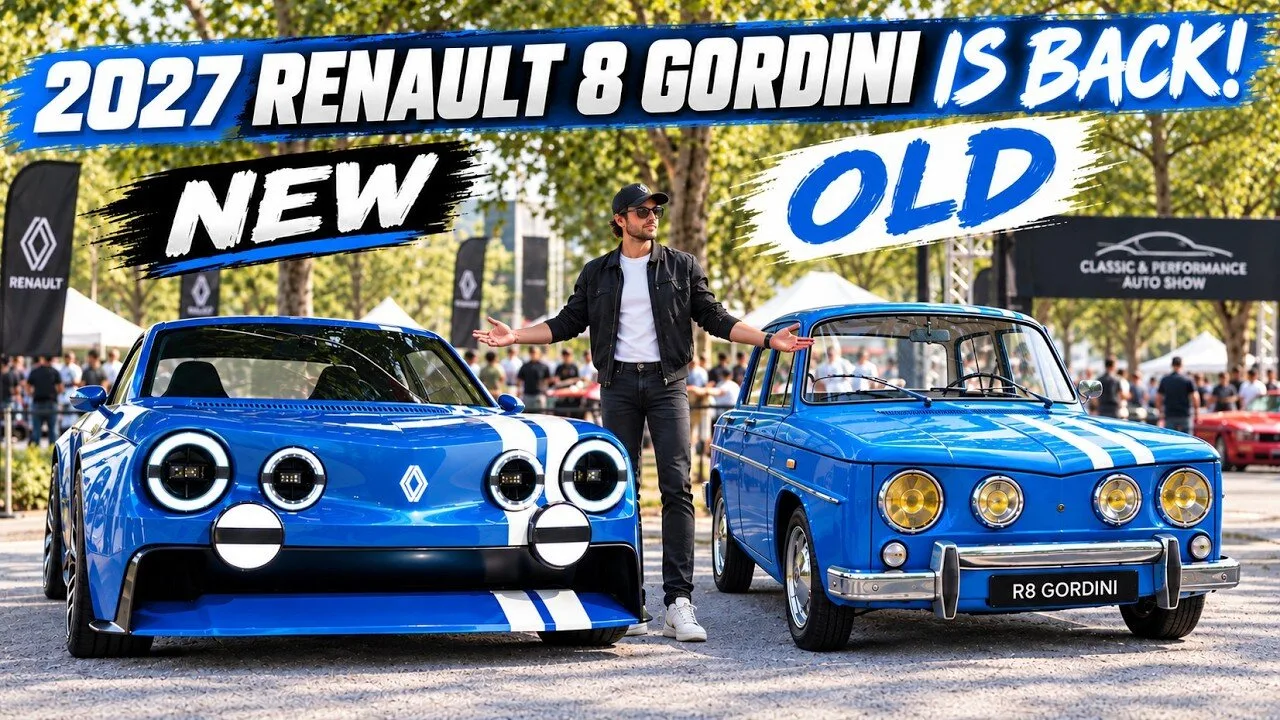
The name Gordini is one of the important examples in the history of French sports cars. This brand is associated with small racing cars from Renault and is well-known among classic car enthusiasts. Today, reviving historical names and design elements is part of automakers' efforts to create a connection between their brand heritage and their electric future.
In this process, a car is no longer just a new product; it is an old story told with new technology. The more exciting aspect of the story is not just the electrification of cars; new vehicles can also be equipped with smart systems, voice assistants, digital interfaces, and driver-assistance technologies.
The revival of old cars shows that the electrification of the automotive industry does not necessarily mean the complete elimination of the past. Automakers can utilize the most popular elements of their history and combine them with new technologies. In such an approach, a classic car can be reborn; not to repeat the past, but to show how the past can be part of the future of automobiles.
Read more: Hamed Bidy: Fiber optics without lifting censorship has no competitive advantage · Iran's participation with 22 elites in the Shanghai World Skills Competition