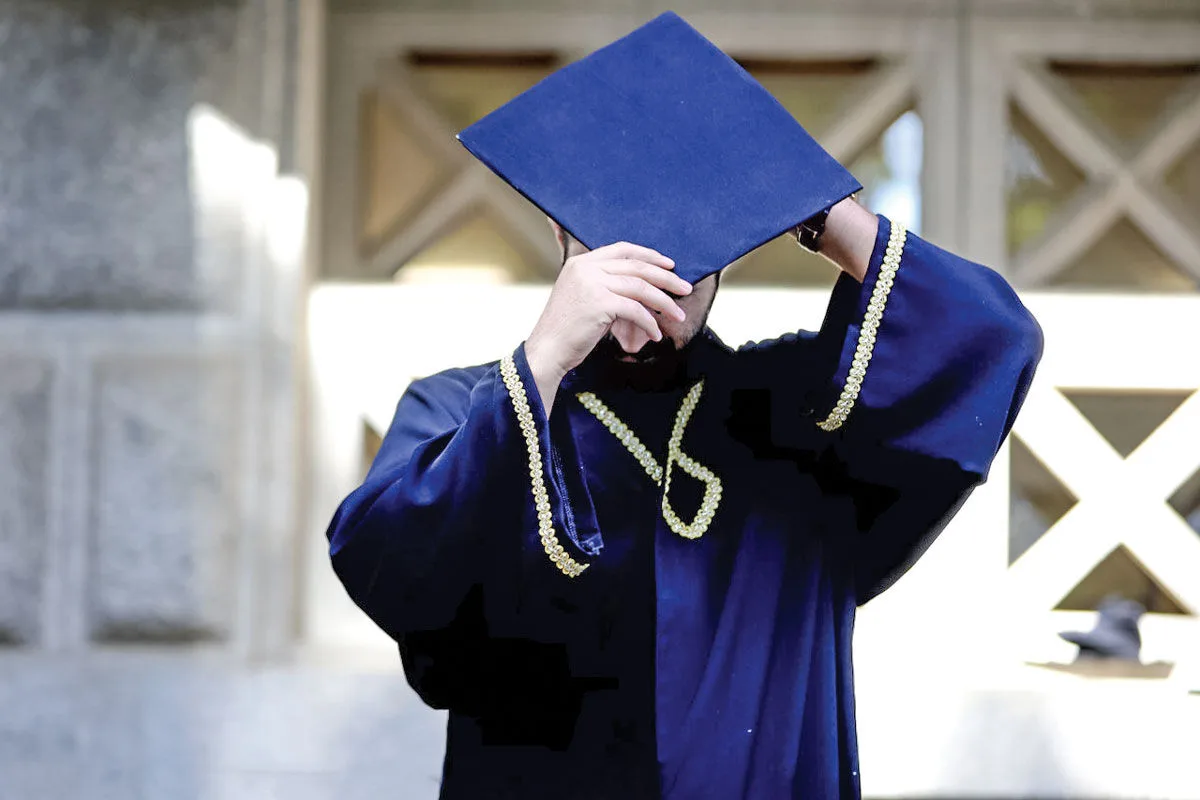
Nader Tavakoli, the head of Iran University of Medical Sciences, recently announced the return of about 10 faculty members who had emigrated from this university to the country in the past year. He stated that the number of certificates issued for doctors and dentists in the year 1405 has decreased compared to the year 1404, and this trend continued in 1404 as well. Hossein Simayi Sarraf, the Minister of Science, also referred to the increasing trend of elites returning to the country in June of this year, saying: "Fortunately, we are currently witnessing an increase in demand from researchers, professors, and Iranian students abroad to return to Iran." This trend indicates positive changes in the mindset of Iranian elites and their willingness to return to their homeland.
The Impact of War and Media Attacks on Elites
War is devastating, and yet, the cowardly attacks of mercenary agents that create an atmosphere of distrust and encourage leaving the field are even more destructive. Davood Faridpour, a faculty member and senior researcher in strategic studies, states that in the era of cognitive warfare, directly targeting individuals is not important; rather, it is about aiming at the processes that produce knowledge and train human resources. In this situation, elites remain active and effective, but the rails that drive them gradually deviate from their main path.
The History of Love for the Homeland Among Elites
The generation of yesterday has many narratives to depict the concept of love for the homeland among its elites. These individuals returned at the height of fire and blood or preferred to stay at critical moments of destiny rather than leave their homeland. For example, the martyr General Hassan Aghasi Zadeh, who achieved many projects during the imposed war with his honorable return. Additionally, the choice of martyr Gholamali Pichak, the commander of operations in the West, who was supposed to study in the field of nuclear energy, and the stay of martyr Mehdi Zeynaldin, the commander of the 17th Alireza (AS) Division, are other prominent examples of this love for the homeland. These stories all remind us that the return of elites to the country is not only an individual decision but a collective and profound choice rooted in our history and culture.
Vahid Shalchi, the cultural deputy of the Minister of Science, also referred to the conditions of the elite community in recent years, stating that the decline in living standards among the academic community has been a significant factor in the decision-making for the emigration of some elites. He emphasizes that attention to the living standards of the academic community and improving their living conditions can help facilitate the return of elites.
Ultimately, the return of Iranian elites to their homeland is a manifestation of elite perfection and demonstrates their determination to contribute to the reconstruction of the country. This trend showcases the solidarity of elites and, as a positive reaction to the challenges ahead, can revive hope in the hearts of the community.
Read more: Iran has begun planning to respond to potential attacks from the United States · Mohsen Rezaei responded to Trump's statements about the war