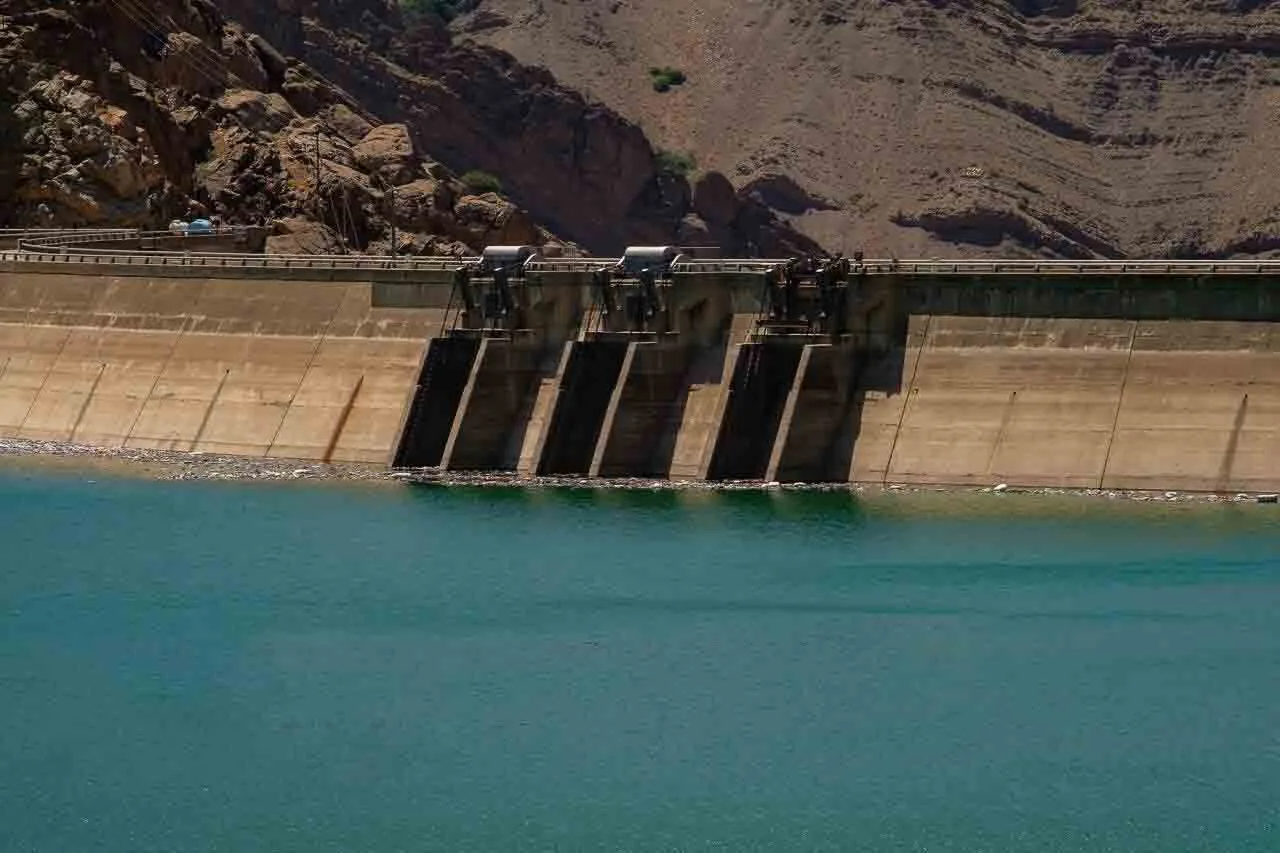
As of September 19, this year, the reservoirs of the country's dams have reached a concerning status. Statistics indicate that the filling level of these reservoirs has reached 47%; in other words, 53% of the total capacity of the dam reservoirs is empty. This situation could have serious consequences for the management of the country's water resources.
Increase in water inflow to the dams
The total volume of water inflow to the reservoirs of the country's dams in the current water year has reached 47 billion and 170 million cubic meters. Compared to the same period last year, when this amount was 28 billion and 700 million cubic meters, we are witnessing a 64% increase in the volume of water inflow to the dams. This increase may temporarily alleviate the water scarcity problem, but the current status of the reservoirs remains concerning.
Read more: Fardis and Zahedan; the capitals of air pollution in Iran
Critical status of several dams
Examining the filling status of various dams in the country shows that several dams, especially in different regions, are facing serious crises. The Doosti and Toragh dams in Khorasan Razavi, the 15 Khordad dam in the Qamarud basin, the Shamal and Niyan dams in Hormozgan, and the Barzoo dam in North Khorasan are in critical condition. Meanwhile, some other dams like Azad, Ekbatan, Zirdan Jagin, Davairaj, and Ilam have a favorable filling status and have reached about 100% of their capacity.
This imbalanced status in the filling of dams can directly impact agriculture, drinking water supply, and industry. If this trend continues, we may witness an increase in water tensions and problems arising from water scarcity in the upcoming seasons.
Precipitation and its impact on water resources
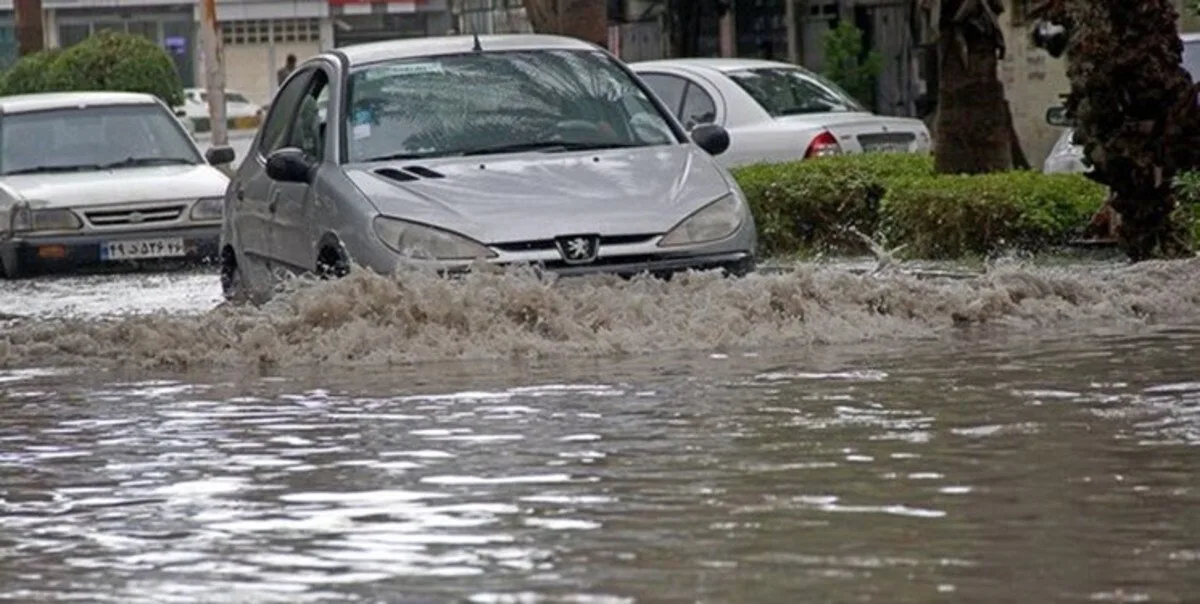
According to available statistics, the total height of precipitation in the country until September 18, 2026, has been recorded at 241.8 millimeters. This amount shows a slight decrease compared to the long-term averages, which were 245.5 millimeters. Additionally, compared to last water year, when precipitation was recorded at 149.3 millimeters, we have seen a significant increase in rainfall. However, this increase in rainfall has not yet fully resolved the water shortage problem in the dams.
Ultimately, the filling status of the dams and climate changes indicate the need for precise and efficient planning in the management of the country's water resources. Officials must seek effective solutions to improve the current situation and prevent water crises in the future.
Read more: Mahdi Zare: The secret of the changing shape of the Earth and the impact of global warming · The Persian Gulf management agency warned the violating vessels