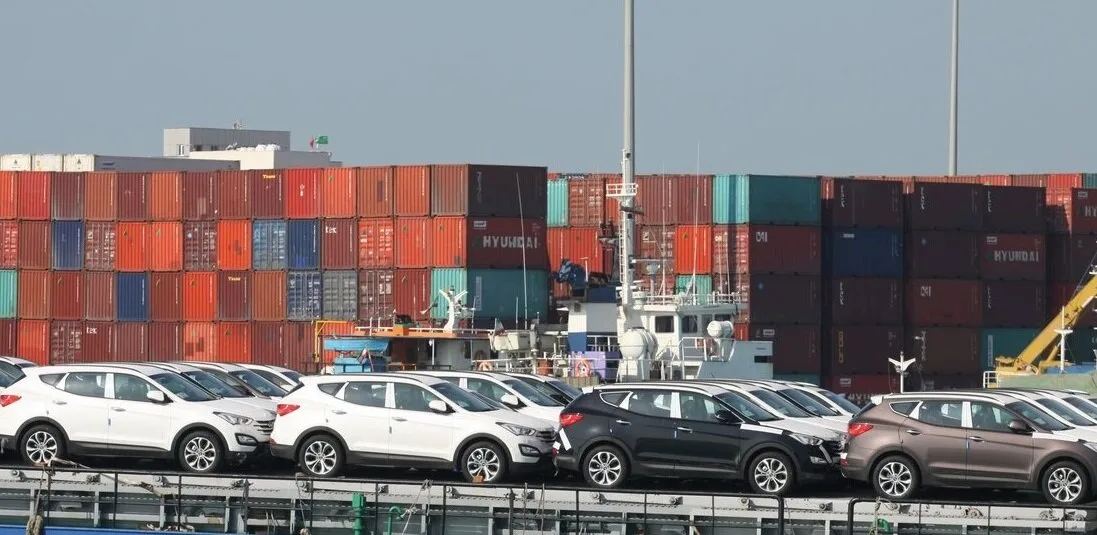
The President of Iran issued an urgent order to halt the import of luxury cars and emphasized that this decision will also apply to Iranians living abroad. This action was taken following widespread criticism of the government's import policies in recent months, and it seems that the goal is to shift the import of cars towards more economical and in-demand models.
Challenges of Importing Luxury Cars
The import of luxury cars had become one of the serious challenges for the government in recent months. While the main policy of the government since the beginning of the new round of car imports was to increase supply and help regulate the market, some of the cars that had been imported or were waiting to enter the market were priced in a range that effectively put them out of reach for a large portion of applicants.
Read more: Iran and the Nuclear Deal Stalemate Raise Oil Prices Again
The main criticisms of importing luxury cars were related to two major issues: the high prices of the cars and their heavy foreign exchange burden. These issues led to increased demand in the currency market and raised concerns about the country's foreign exchange resources. Alongside these issues, the use of import capacity for Iranians living abroad had led to the emergence of a black market for residency cards and related documents for this import route.
Change in Car Import Policy
Seyed Mohammad Atabak, the Minister of Industry, Mine and Trade, announced in a meeting with the 90th Article Commission of the Parliament that the Ministry of Industry, Mine and Trade had protested against the 100% tariff on luxury cars, resulting in the halt of imports of this category of vehicles. This decision effectively ends part of a dispute that had arisen in recent months between the government's import policy and parliamentary criticisms. The government viewed imports as a tool to increase supply and control the car market, while critics warned about the entry of expensive cars and the consumption of foreign exchange resources.
The Minister of Industry emphasized that based on the President's order, the government's focus will be on providing economic vehicles. This means a shift in the import of cars from expensive models to vehicles that can meet a broader segment of market demand.
At the same time, the government is pursuing another path to increase car supply: the import of used cars. Atabak stated that although the regulations regarding the import of these cars had been approved years ago, they had not been implemented in previous governments. However, this plan has now been put into action, and it is expected that the entry of these cars into the market will help alleviate some of the supply shortages.
Currently, fewer than a thousand used cars have been imported into the country and are in customs. The government hopes that these cars will help stabilize prices and address some of the market's concerns.
Read more: Arrest of the Leader of Futures and Paper Transactions with 10 Accomplices · Hassan Jarahi: How Not to Fall into the Trap of Fraudsters