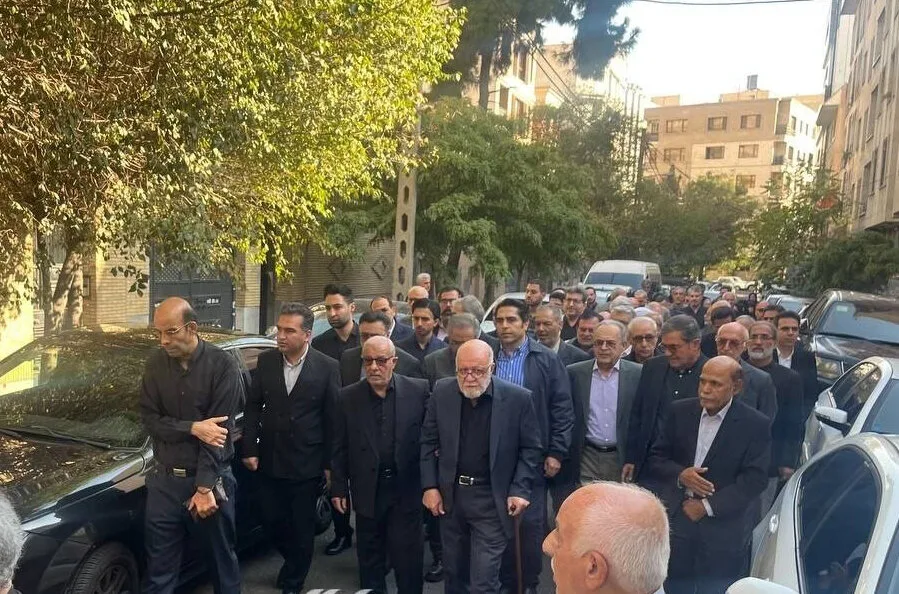
The Minister of Justice of Iran, Amin Hossein Rahimi, at the forty-third meeting of the National Coordination Council of the Convention on the Rights of the Child, emphasized the necessity of removing barriers to education for children of legal foreign nationals. With the suspension of registration for Afghan students without legal residency and the identification of about 2 million illegal Afghan nationals, concerns about the educational fate of migrant children have reached a peak.
Registration Problems and Educational Uncertainty
The start of the 1405–1406 academic year has been accompanied by various registration problems for many Afghan families in Iran. Many migrant students, instead of regularly attending classes, have been engaged in pursuing documents, visiting relevant centers, and trying to resolve administrative registration barriers. These problems, alongside economic constraints and the uncertainty of families' residency status, have made access to education difficult for children.
Read more: Officers of the Military Academy Eat Ice Cream at Shahrajab Café
Ali Zeinivand, the spokesperson for the Iranian Ministry of Interior, has reported the continuation of the foreign nationals organization plan and announced that about 2 million Afghan nationals without residency permits have been identified. These individuals must take action within the legally determined timeframe to regularize their residency status; otherwise, they must leave Iranian territory.
Parents' Concerns and Educational Consequences
Registration problems have recurred year after year, and migrant students face various challenges. The complexity of administrative procedures and difficulties in obtaining valid documents, especially in families whose residency status is still unclear, are issues that not only negatively impact children's learning but also instill a sense of separation and difference from their classmates.
Amin Hossein Rahimi warned about the issue of children dropping out of education at this meeting and called for serious actions to identify educational barriers. He emphasized that dropping out of education is not just an educational challenge; it is directly related to children's right to education, social justice, and the future of the country.
The martyr leader of the Islamic Revolution had also emphasized the necessity of providing educational opportunities for Afghan children in past years. This approach has ensured that the lack of residency documents alone does not prevent these children from receiving education. However, every year at the beginning of the academic year, problems arise for migrant students that require more attention from officials.
Migrant children living in Iran have no role in determining their families' legal and residency status; therefore, the consequences of their parents' uncertainty should not lead to educational deprivation for them. Thus, it is essential to devise effective solutions to prevent educational interruptions for these children. Given the previous emphases of the martyr leader of the revolution, it is expected that the responsible agencies in implementing migrant organization policies will also consider the educational consequences of their decisions.
Read more: Ali Zeinivand: Qatar's Explanations About Missing Iranian Pilots Are Insufficient · Gilan and Mazandaran Lead in Tourist Attraction, South Khorasan at the Lowest Rank