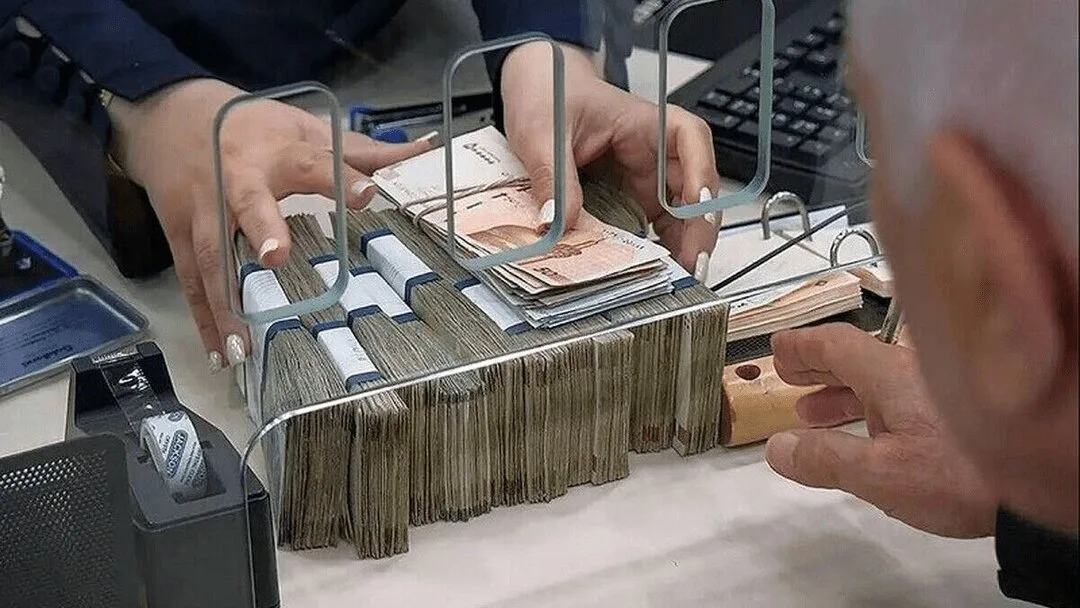
The interbank interest rate in Iran has remained stable at 24 percent for seven weeks. This situation occurs while the country's money market is in a period of stability, but this stability has formed at the highest level of the policy corridor.
Changes in the interbank interest rate
Recent statistics show that the interbank interest rate has remained at 24 percent over seven consecutive observations from September 25 to October 16, 2026. This stability follows a period of significant fluctuations, during which the interest rate decreased from 23.57 percent at the end of the previous year to 20.58 percent in April, and then returned to the ceiling of the corridor in June.
Read more: Ehsan Masoudi: Delivery of 90,000 government housing units in the fourteenth government
The interbank interest rate is considered one of the most important indicators of the liquidity status of banks. When this rate remains at the ceiling of the corridor for several weeks, it means that the cost of securing short-term resources has not decreased. To better understand this situation, it is necessary to examine the data on open market operations and the status of bank reserves.
Reasons for the stability of the interest rate and its consequences
The decrease in the interbank interest rate to 20.58 percent in April indicated a change in the supply and demand conditions for short-term resources in the banking network. However, this situation did not last, and the interest rate returned to 24 percent in the following months. These changes may be influenced by the banks' needs for resources, changes in the volume of liquidity injections by the central bank, or tightening financing conditions.
Currently, the persistence of the rate at the ceiling of the corridor indicates that the money market has not yet entered a phase of sustainable reduction in the cost of securing liquidity. However, the high interest rate may reduce the incentive to expand credit. On the other hand, banks facing a mismatch between resources and expenditures may still need short-term borrowing even at high interest rates.
This situation can increase financial pressures on producers, especially for businesses that rely on banking resources. Rising raw material prices and difficulties in accessing facilities can put additional pressure on these businesses.
Consequences of high interest rates for asset markets
The stabilization of the interbank interest rate at a high level affects the expectations of asset market participants. In the stock market, the cost of financing and the expected return rate for investors are key variables in company valuations. Therefore, the persistence of high monetary rates can limit the attractiveness of investing in high-risk assets.
In the currency market as well, higher interest rates may help reduce speculative demand, but if inflationary and currency expectations remain high, the interbank interest rate alone cannot create sustainable stability.
Sadegh Mohibi, an economic expert, emphasizes the importance of distinguishing between nominal and real interest rates, stating: "The 24 percent interbank rate in a high inflation environment does not necessarily mean that the real cost of money is high. This rate should be compared with expected inflation."
Answering the question of why the interest rate has not changed should be sought alongside the trends in open market operations, credit growth, and the status of bank reserves. These variables determine whether the current stability is a precursor to sustainable calm in the money market or a sign of continued pressure on banking resources.
Read more: 50 percent increase in drug exports and WHO's praise for an Iranian doctor · The U.S. Treasury Secretary announced efforts to isolate Iran