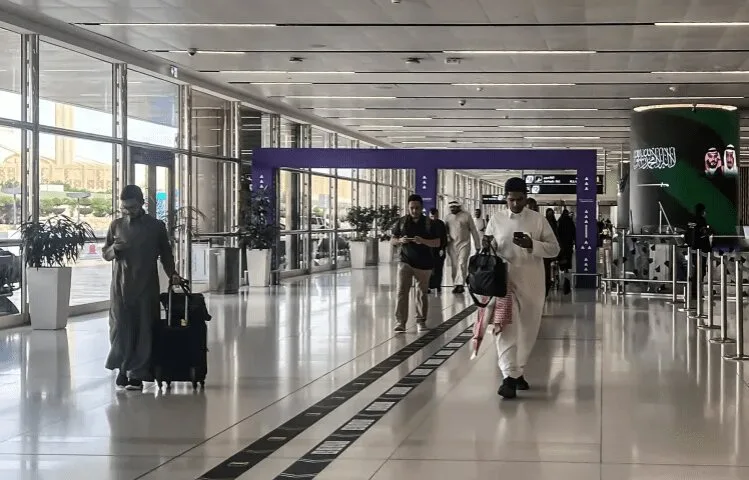
The escalation of military conflicts in Yemen has confronted the UAE aviation industry, which has been recognized for years as one of the most important and stable air networks in the region, with a new wave of disruptions. Airports and airspace in Saudi Arabia have been affected by recent insecurities, impacting air connectivity between the two countries and imposing significant costs on UAE airlines.
Disruptions in Flights and Imposed Costs
As one of Saudi Arabia's most important air partners, the UAE provides a high capacity of flights to this country daily. Currently, the Dubai-Riyadh route has 22 direct flights per day, Dubai-Jeddah has about 15 flights, and Dubai-Dammam has about 8 flights per day. However, with the escalation of attacks and insecurity, this busy network quickly came under pressure, and after the attack on Riyadh International Airport, the closure of this airport and disruptions at other airports and routes in Saudi Arabia occurred.
Read more: Interbank interest rate remained stable at 24 percent, revealing new challenges
According to data from the aviation analytics company Cirium, on October 11, 623 flights out of a total of 1,096 outgoing flights from Saudi Arabia were canceled or not operated, which means over 56 percent of flights. This disruption was not limited to Saudi Arabia, and UAE airlines were also forced to cancel or suspend some of their flights.
Economic Consequences and Long-term Implications
With the continuation of this situation, Emirates Airline and other companies such as Etihad, Flydubai, and Air Arabia have reduced their services to various destinations in Saudi Arabia, and in recent days over 40 flights between the UAE and Saudi Arabia have been canceled. This crisis has not only affected flight revenues but has also increased operational costs and passenger transportation expenses.
The direct damage to the UAE from these attacks has not yet been officially announced, but the high volume of flight cancellations indicates a significant economic cost for the aviation industry of this country. Even after the relative return of flights, the effects of the crisis remain visible, with the number of seats scheduled for outgoing flights from Dubai in September down 17 percent compared to last year.
Now, with the continuation of attacks on Saudi Arabia and warnings about the insecurity of airports and airspace, the UAE aviation industry is once again bearing the costs of a regional crisis. This situation could lead to a reduction in flight capacity, a decline in company revenues, and damage to tourism and air trade between the two countries.
Read more: Trump's decision and its impact on global oil prices · Letter from Sayyid al-Houthi to Yahya al-Sinwar published a month before his martyrdom