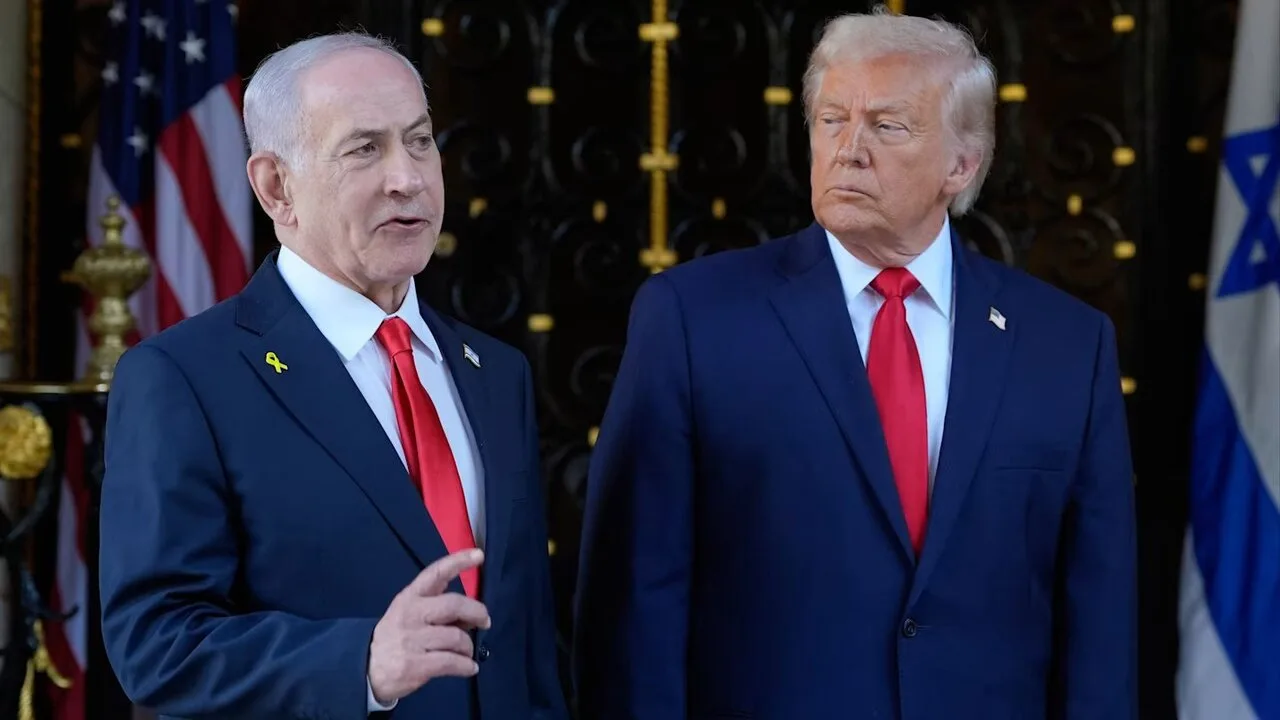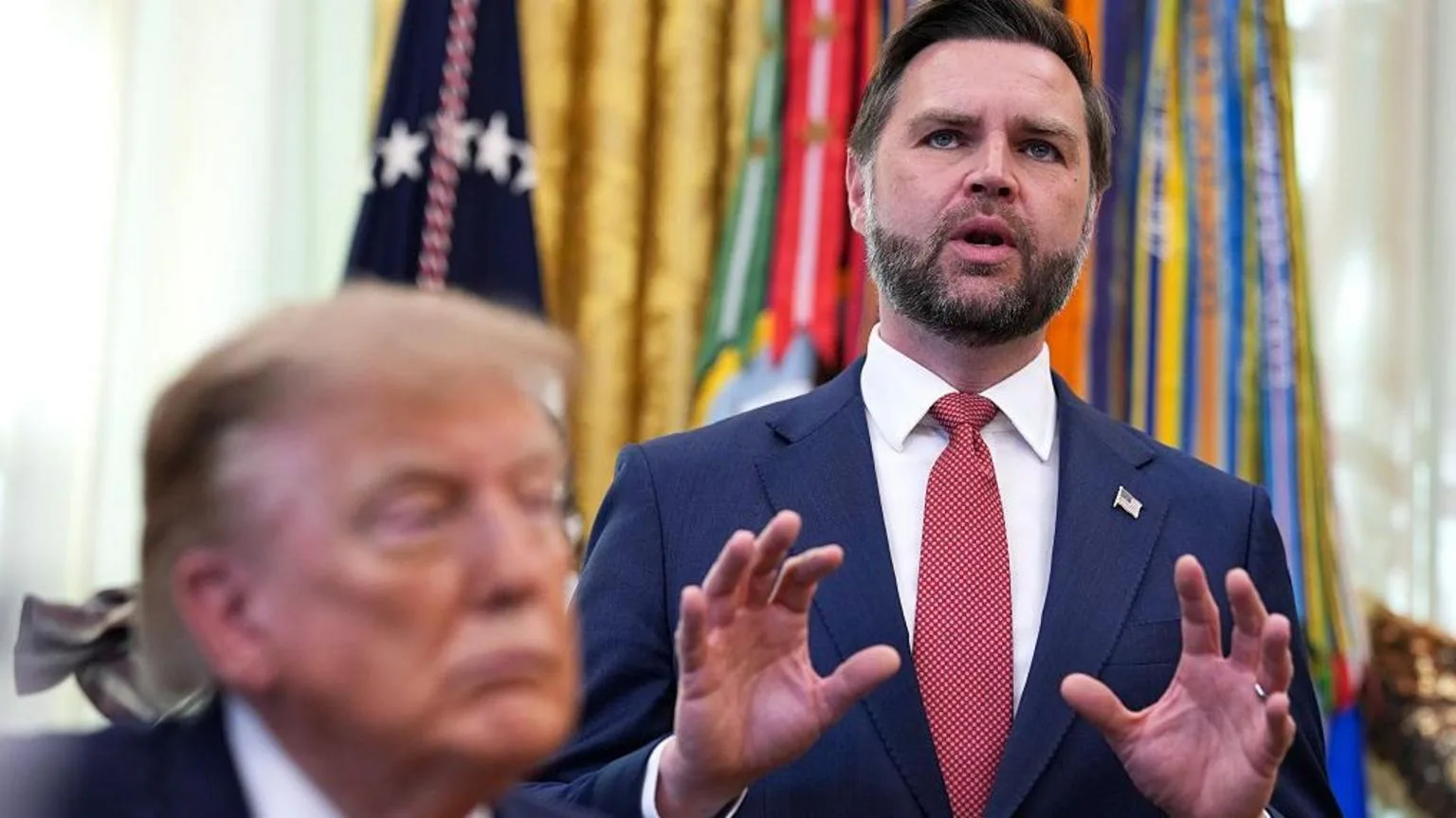
The results of the Congressional elections in the United States could have profound effects on the foreign policy of this country, especially regarding Iran. These effects are also undeniable in the power equations in Iran and could lead to a change in the balance of power between the two rival governmental factions, namely reformists and principlists.
Reformists and New Challenges
The reformist faction is part of the principlist camp that presents different approaches on various issues, including relations with the United States, compared to the traditional positions of the principlists. This term was used in the 2017 presidential election by Mohammad Baqer Qalibaf and his team to claim the creation of a new movement, but it ended in failure. During the era of Mojtaba Khamenei, Mohammad Baqer Qalibaf and his like-minded individuals are seeking a new approach in negotiations with the United States, the results of which are still unclear.
Principlists and Traditional Approaches
In contrast, the principlist faction, which opposed the Islamabad agreement following Mojtaba Khamenei's expressed dissatisfaction, has received this label from critics and some of its supporters. This faction seeks to influence political developments with its traditional and inflexible views. There are conflicting narratives about their power base, some of which are clearly reductionist.
Recent activities of the principlists, especially in state media and Friday prayer platforms, have made headlines. The state media, which is managed under the supervision of the Supreme Leader, is recognized as an influential media outlet in these developments. Additionally, the Basij organization, which operates under the command of the Supreme Leader, plays a significant role in organizing street gatherings and the platforms of these gatherings.
Meanwhile, political figures such as Mohammad Baqer Qalibaf and Mohsen Rezaei have differing positions that are continuously influenced by changes in the leader's policies. Mohammad Baqer Qalibaf once showed a willingness to negotiate with the United States, but shifted towards