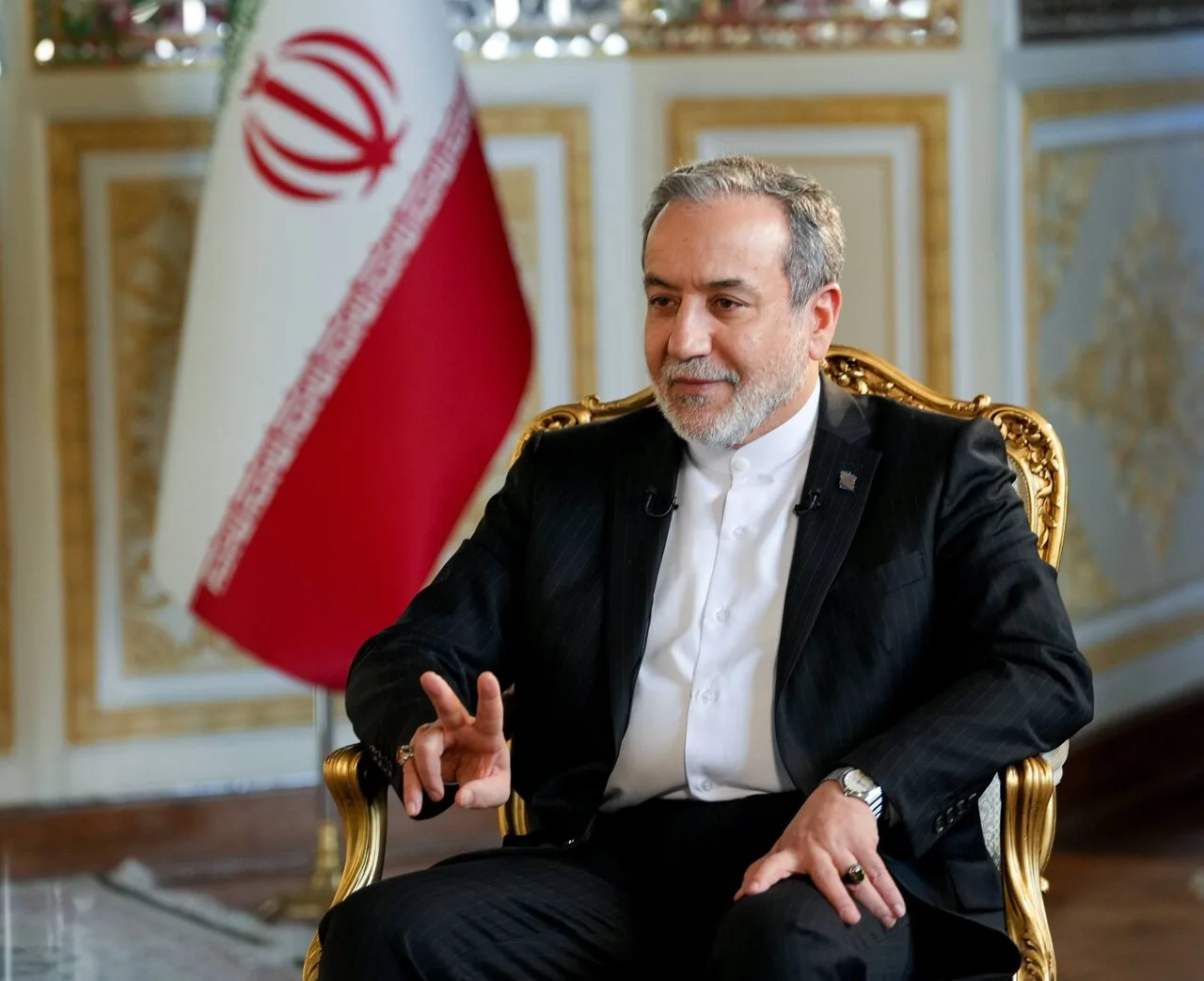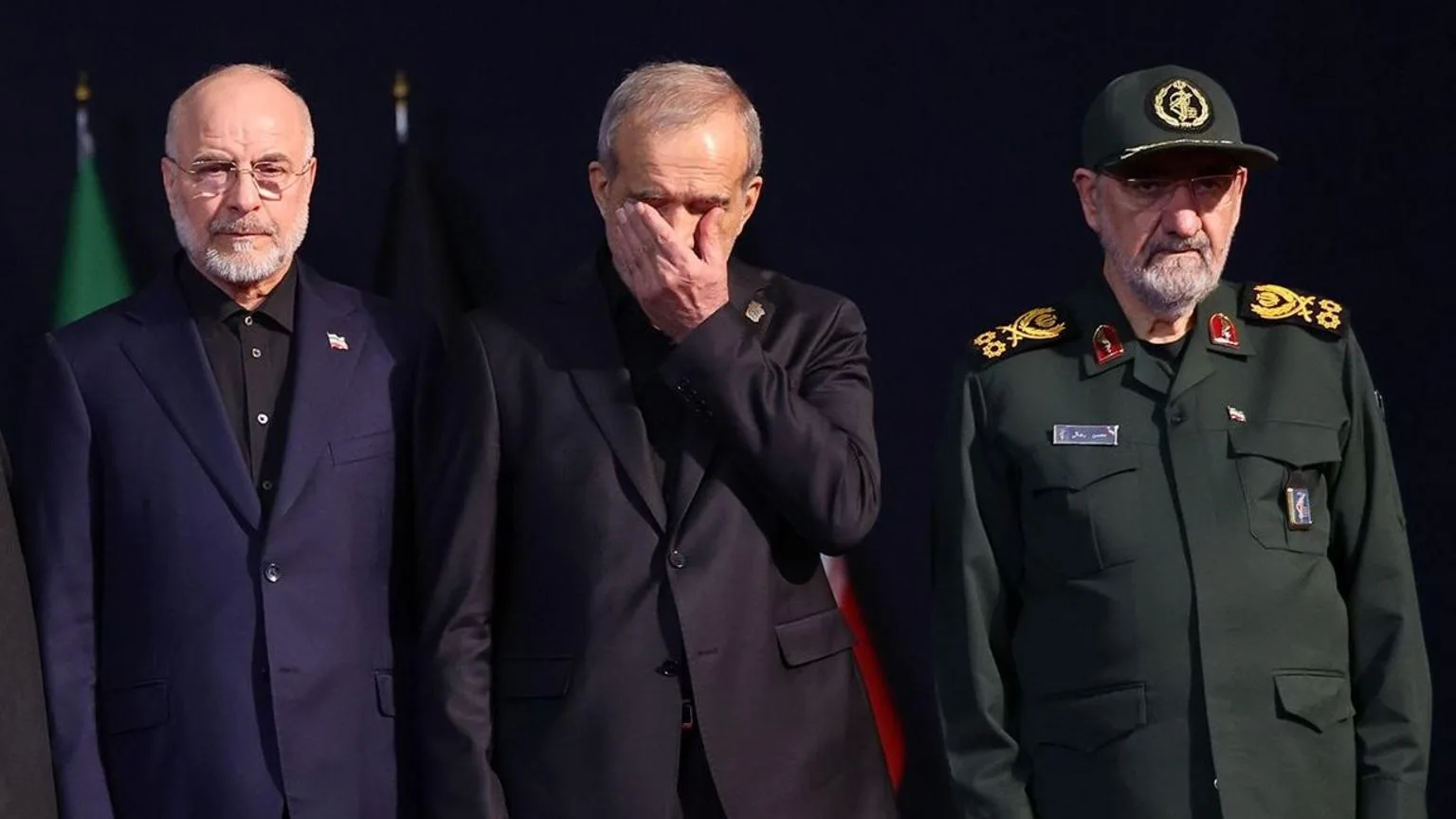
Masoud Pezeshkian recently mentioned the existence of a "six-person team" in the governmental structure of Iran during an interview. This team, which is responsible for decision-making regarding ongoing crises with the United States, operates in a coordinated manner, and their decisions are implemented directly, according to him.
Composition of the Six-Person Team
Following the publication of these statements, Iranian official media examined the composition of this team. In most accounts, the fixed members of this team include the President, the Speaker of the Parliament, the Secretary of the Supreme National Security Council, the Chief of Staff of the Armed Forces, and the Commander-in-Chief of the IRGC. However, there were differing opinions regarding the sixth member; some identified him as the head of the judiciary, while others considered him the Minister of Foreign Affairs.
Read more: The Competition Between Lula and Bolsonaro in the Brazilian Elections and Its Consequences
Previously, Abbas Araghchi had mentioned in an interview last July that negotiations with the United States are conducted within a committee called the "six-person committee." He explained that this committee operates at a level lower than the Supreme National Security Council and acts as one of its internal working groups.
Ambiguities and Challenges in Decision-Making
Abbas Araghchi clarified that this committee is under the responsibility of the Secretary of the Supreme National Security Council and its decisions must be approved by the Leader of the Islamic Republic. These statements raise ambiguities regarding the actual position of the President and other members of the six-person team, especially whether this team can truly operate independently or not.
Masoud Pezeshkian also referred to two meetings with the new Leader of the Islamic Republic during his recent trip to the United States. This indicates that governmental communications still rely on intermediary circles, and no significant changes in the decision-making structure are observed. Particularly after seven months of Mojtaba Khamenei's leadership, these intermediary circles act as a liaison between decision-makers and the highest authority of the government.
Moreover, in Pezeshkian's interviews with American media, numerous questions arose about his role in major decision-making processes. These questions clearly reflect the confusion of American journalists regarding the governmental structure of Iran and the roles of various officials within it.
In this context, the presence of the six-person team alongside the Supreme National Security Council adds new ambiguities regarding how major decisions are made. In fact, given the composition of the Supreme National Security Council and the Leader's control over its decisions, it cannot be expected that the formation of the six-person team will create a meaningful change in decision-making processes.
Ultimately, this six-person team functions more as a tool for policy formulation that is communicated to the Leader through intermediary circles. This issue can directly impact the major decision-making of the country, but at the same time, due to the need for the Leader's approval, its real power will be limited.
Read more: Weather Organization's Warning for 18 Provinces Following Heavy Rains · Decrease in Dollar Price and Ambiguity in Iran-U.S. Negotiations