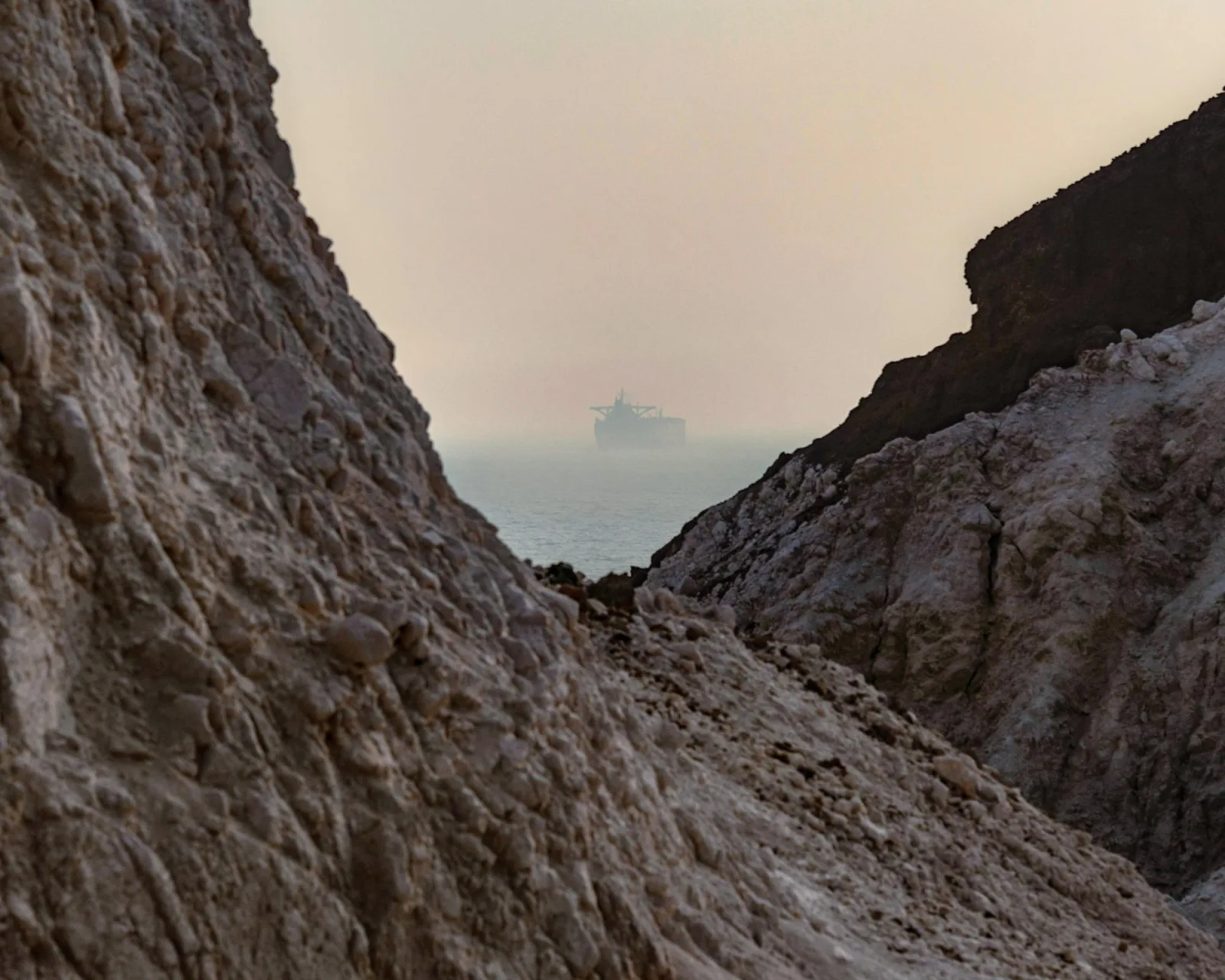
Captain Farooq turns the ship's wheel in his hands and looks towards the ferry terminal in Bandar Abbas, which is fading into the distance. Its bright lights gradually disappear as he heads towards the darkness of the Strait of Hormuz.
In front of him, the navigation radar beeps periodically, and its green and pink lights shine in the darkness. This ferry today has about 100 passengers and is filled to about half its capacity. Farooq, 39, sits in his cabin staring into the dark horizon. He has been a captain for 18 years, and the Strait of Hormuz feels like his second home.
Read more: Mahdi Chamran: The rates for school service fees are changing
Risks of Traveling in the Strait of Hormuz
Farooq says that since the start of the war between the United States and Israel against Iran on February 28, traffic has not stopped, although the number of passengers has decreased and travels have become more dangerous. For months, he has heard the sounds of explosions from the strait and still does not know whether these sounds are due to air defense or attacks.
Inside the ship, passengers have also gotten used to these sounds and somewhat to the war. They drink tea and smoke cigarettes. Some fall asleep while others entertain their children. The weather is warm and humid, and steam has settled on the windows.
Life in Bandar Abbas and Hormuz Island
Despite the fragile ceasefire, it feels as though the war has not completely stopped on these shores. According to reports from the Iranian government, attacks on the southern port of Bandar Abbas have damaged 760 fishing and commercial boats. Farooq says his ferry was also hit by shrapnel while stopping at the port.
Since the start of the war, Iranian forces have repeatedly attacked ships trying to pass through the strait. In the first week of October, at least 12 attacks on oil tankers have been reported, causing oil prices to rise above $100 per barrel.
But beyond the headlines and global markets, the Strait of Hormuz is primarily a vital artery for many Iranians living in the southern province of Hormozgan. Fishermen, captains, and port workers all depend on the strait, and the war has made their work extremely difficult.
Onur Sadat, a 38-year-old fisherman working in the fish market of Bandar Abbas, says business has slowed down and making a living is becoming increasingly difficult. He struggles to continue working under these conditions with his colleagues.
Read more: Heavy traffic on the Chalus road and rain in the northern routes · Field Marshal Syed Asim Munir's visit to Iran for mediation in tensions