The burden of unpaid subsidies on stores and people, especially small shops, has created difficult conditions for securing essential goods. The subsidy plan was initiated to maintain household purchasing power and provide essential goods from resources obtained through currency rate adjustments. However, delays in securing resources and settling seller claims have transferred part of the cost of implementing this policy to retail units.
Challenges in Financing Stores
Shahab Naseri, Vice President of the Iran Chamber of Guilds, mentioned the initial problems of implementing the plan during an economic roundtable on Hamshahri TV, stating that nearly 600,000 retail units, from small local shops to chain stores, have joined the subsidy plan. With delays in payment of claims, the operations of these stores, especially those working with limited capital, have come under severe pressure.
Read more: Iranian City Markets; An Opportunity for Cheaper Shopping in the Capital
Naseri added that some units have not received their claims for over a month, and some of them have stopped cooperating with the plan. Initial estimates suggest that claims for one month to 40 days could reach about 100 to 120 trillion tomans, a significant amount for retail units that need to procure goods with their own resources.
Impact on Household Purchasing Power
Reports from the Ministry of Cooperatives, Labor, and Social Welfare also indicate delays in settling claims. In this regard, Mohammad Ali Khorasani, President of the National Union of Chain Stores, emphasized that about 80% of subsidy purchases are made from small stores. According to Naseri, if claims are not paid, these units will face difficulties in purchasing and securing goods, ultimately harming the people.
Ahmad Bigdeli, a member of the Social Commission of the Parliament, stated that the main reason for the delay in settling claims is the failure to realize the anticipated resources for implementing the plan, adding that due to problems with oil and non-oil exports, the expected revenues were not fully realized.
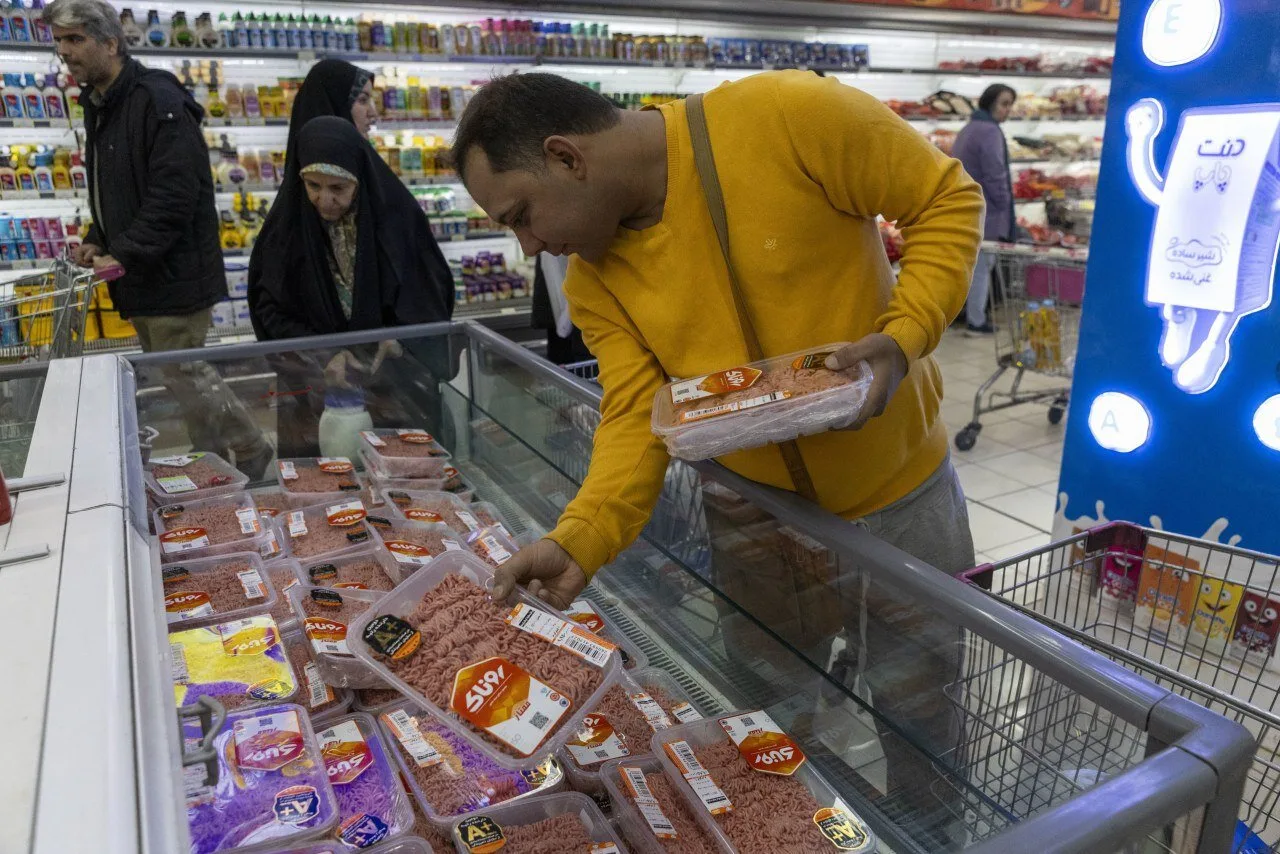
Naseri referred to the experience of people visiting a large store that had stopped selling subsidized goods, noting that customers, upon learning that they could not use their subsidy credits, abandoned many of their shopping baskets and left the store. This experience shows that disruptions in the implementation of the plan directly affect household purchasing power.
Read more: Seyed Hossein Sadat Hosseini: New Changes in the Registration of Passenger Phones are on the Way · Tehran Residents with 721 Million Tomans are the Highest Earning Urban Households in Iran