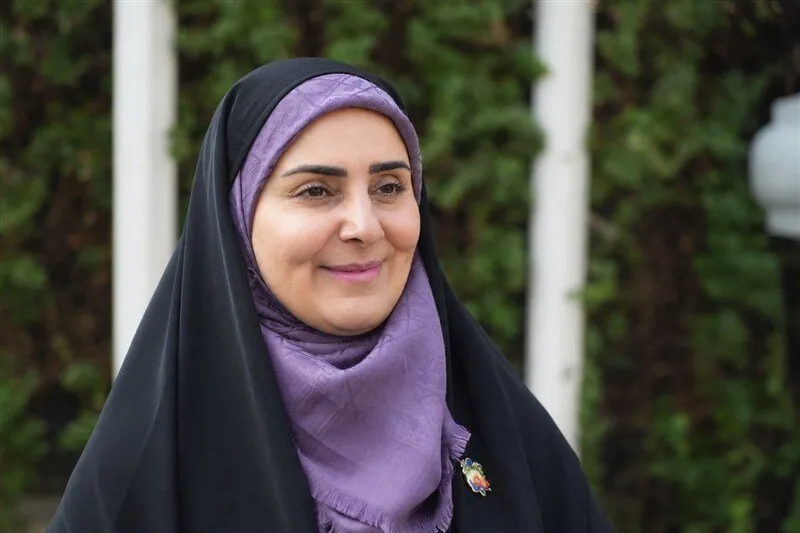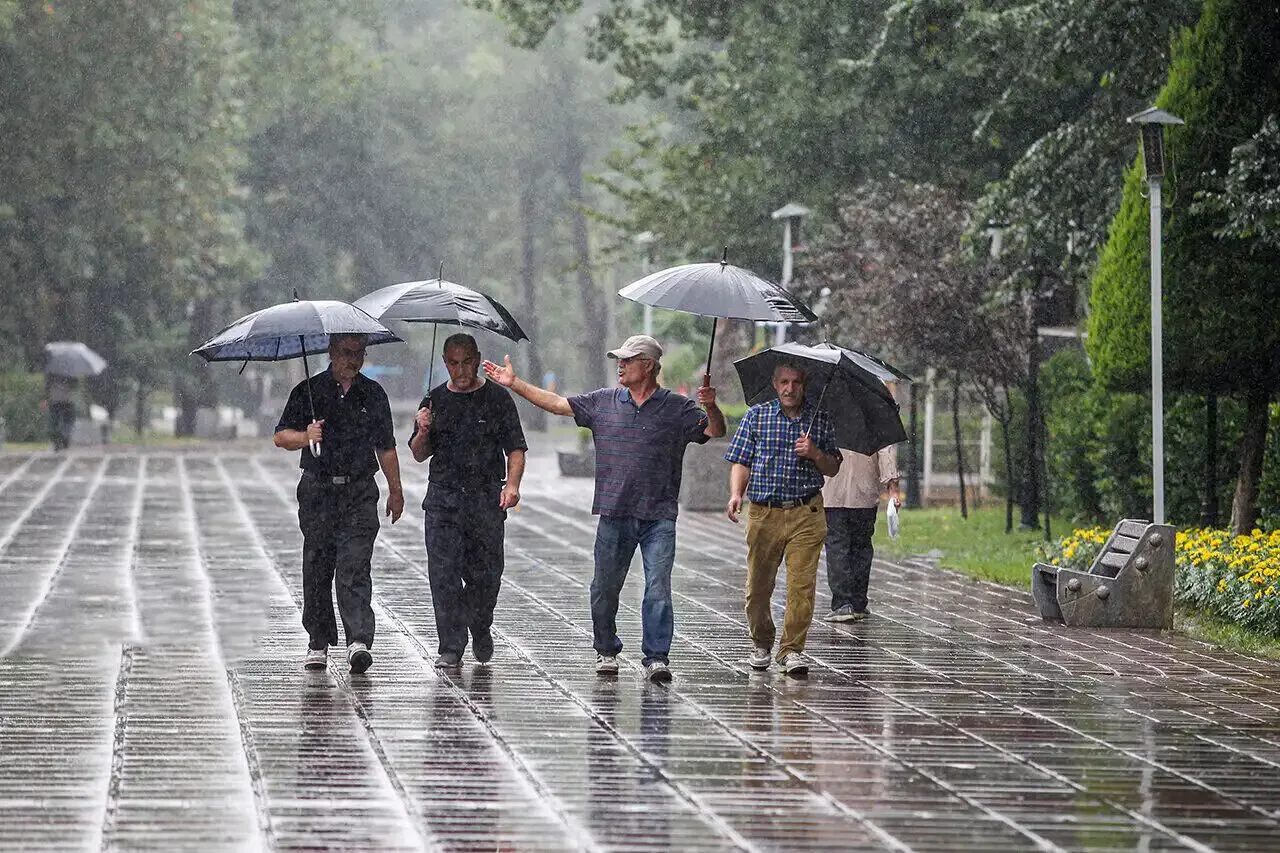
The aging crisis in Iran encompasses various dimensions and interpretations as a social reality. Currently, our society is aging, and this situation requires serious attention and effective actions from the government and social institutions. In recent years, it seems that the responses to this crisis have been limited to unproductive meetings in beautiful gardens, where representatives of scientific and governmental associations gather, but the main cabinet representatives are never present.
Factors Influencing the Aging Crisis
The increase in the aging population, declining birth rates, and rising marriage age are among the significant factors exacerbating the aging crisis. Additionally, medical advancements and knowledge in medicine have inevitably led to increased life expectancy and, consequently, the aging of society. In this context, life expectancy is also recognized as an important factor in changing the age structure of the population.
The growing gap between the ideals of the middle class and the realities of life has led young and capable individuals in society to seek better opportunities in other countries. This trend actively marginalizes the youth from society, which in turn exacerbates the aging issue in the country.
The Need for Structural and Social Changes
Looking at the current situation, it is evident that the existing systems in the country lack the capacity to train and delegate responsibilities to younger generations. In dynamic societies, structures are designed in a way that minimizes the role of the individual and emphasizes the training of personnel for managing society. This highlights the urgent need for profound changes in the social and managerial structures of the country.
Addressing the aging crisis in Iran does not solely mean social engineering. The government, as an effective force, cannot improve the situation without paying attention to the voices of the people and the real needs of society. In this regard, intellectuals and philanthropists must also establish associations and institutions that can support the people and reform affairs.
These associations can encourage and support each other to establish independent institutions and, using civil tools, achieve the necessary changes. Time is the main leader of all social movements, and this opportunity must be utilized to create a better future for the elderly and the younger generation.
Medical scientific associations, although established under the title of "scientific," have not effectively localized medical knowledge and prioritized educational needs. In the absence of professional syndicates, these associations cannot effectively represent the demands of the elderly and society.
Ultimately, the aging crisis in Iran, as a serious challenge, requires immediate attention and action. Social and structural changes can provide a solution for a better future.
Read more: Letter from 15 top universities to Mohammad Baqer Qalibaf regarding foreign influence · Education of regular and exceptional students alongside each other