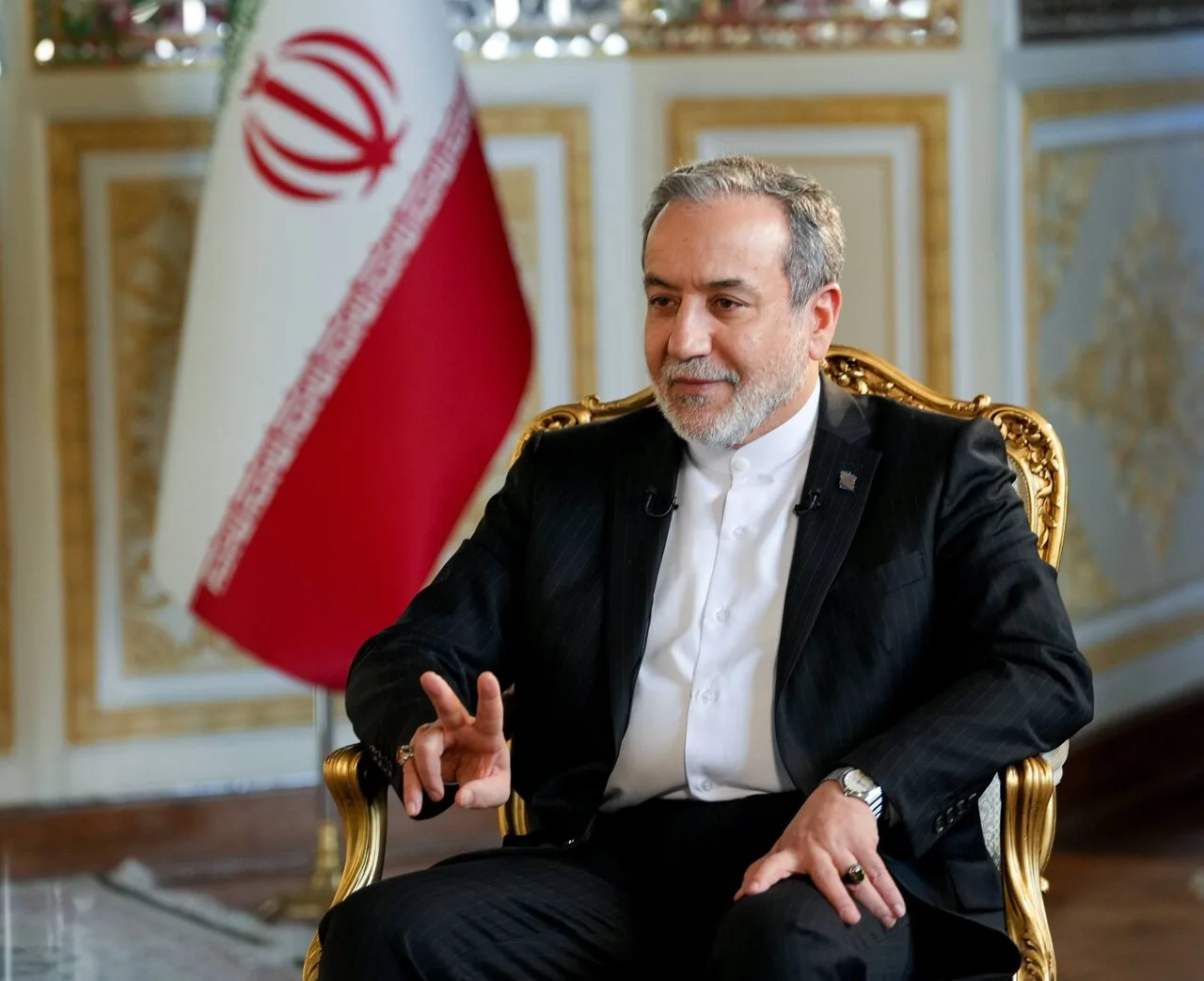
Mohammad Hossein Omid, President of Tehran University, in his latest statements announced the sending of a letter to Mohammad Baqer Qalibaf, Speaker of the Islamic Consultative Assembly, in which the concerns of 15 top universities of the country regarding the plan to combat foreign influence are expressed. He emphasized the importance of international communications among academics and pointed to the potential harms of this plan on scientific interactions.
Concerns of Academics About the Implementation Process of the Plan
Omid stated that universities are always striving to maintain their scientific security and independence, and he remarked: "We have suffered from influence and faced the issue of influence in the recent war. Although the influence that occurred in this war was not from the university and came from outside the university, the fundamental concern about influence is understandable."
Read more: Ammar Hakim sent a condolence message to Mohammad Javad Zarif
The President of Tehran University added: "If a university professor and researcher in the country is in fear and trembling that they may need permission for their scientific communications, they will likely refrain from doing such work. These interactions are essential for the scientific advancement of the country."
Negative Impacts of the Plan on the Global Rankings of Universities
Omid, referring to the status of global rankings, emphasized: "A large part of the decline in the rankings of our universities in recent years is related to international communications. We have a good status in terms of articles, but we do not have a favorable situation in the area of international communications."
He continued: "A plan that creates restrictions for scientific interactions can exacerbate this concern. As academic individuals, we are ready to engage in dialogue with responsible institutions and develop a model that addresses their concerns while not harming our international communications."
Call for Dialogue to Address Concerns
The President of Tehran University noted: "In the letter we sent to the Speaker of the Parliament, we requested that before the plan enters the floor and a final decision is made about it, the designers of the plan should talk to academics and listen to our concerns."
Omid also reported on holding meetings with some security institutions and said: "Our effort should be to ensure that the plan to combat influence, while preserving the needs of security agencies, also considers the concerns of the university. Our goal is to manage the concerns related to influence while ensuring that the international communications of universities are not affected."
He concluded by saying: "We must not forget that scientific interactions must continue and this plan should not impose restrictions on these interactions. The scientific advancement of the country requires strong and effective communications with the world."
Read more: Mashhad-Ramsar flight changed course to Tehran · End of the 10-year upward trend of Iranian universities in the Times ranking