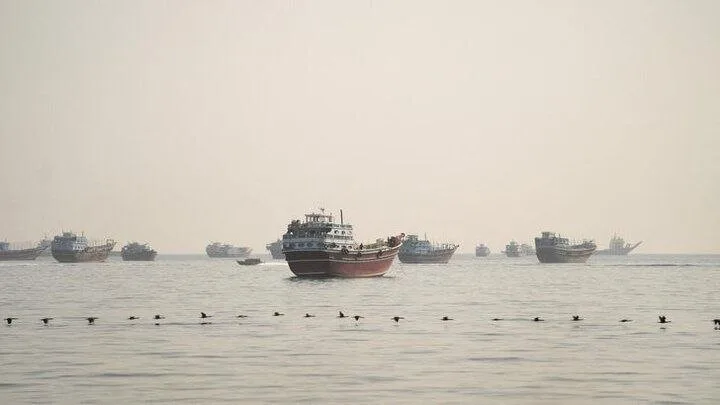
Ship traffic in the Strait of Hormuz, one of the world's most important waterways, has noticeably decreased at the beginning of this week. With the ongoing escalating tensions between Iran and the United States, this decline in traffic has fueled concerns about the resumption of reciprocal attacks. According to preliminary data, only 12 cargo ships passed through this strait on Saturday and Sunday.
Background of Tensions and Their Impact on Maritime Traffic
Tensions between Iran and the United States have been rising for years, occasionally leading to new crises. While efforts for diplomacy and de-escalation continue, military actions and reciprocal threats from both countries have jeopardized ship traffic in this sensitive area. This strait, as one of the busiest shipping routes, plays a vital role in global trade, and a decrease in traffic could have widespread economic repercussions.
Read more: Ahmad Fatemi: The news of an increase in the salaries of parliament members is not true
Consequences of Decreased Ship Traffic
The decrease in ship traffic in the Strait of Hormuz could lead to increased transportation costs and consequently negatively impact commodity prices. Additionally, this situation may reduce the confidence of traders and shipping companies regarding the security of this waterway. In fact, many companies may seek alternative and safer routes for transporting their goods, which could in turn lead to changes in trading patterns.
Moreover, the reduction in traffic in the Strait of Hormuz could lead to increased tensions in the region. Neighboring countries and other global actors may react to this situation and take measures to safeguard their security and economic interests. Ultimately, this situation could lead to further unrest in the Middle East and beyond.
Read more: Yaqoub Azadeh Del: Car-free day is an opportunity to reduce gasoline consumption · Arrest of Afghan man in the case of missing Iranian girl