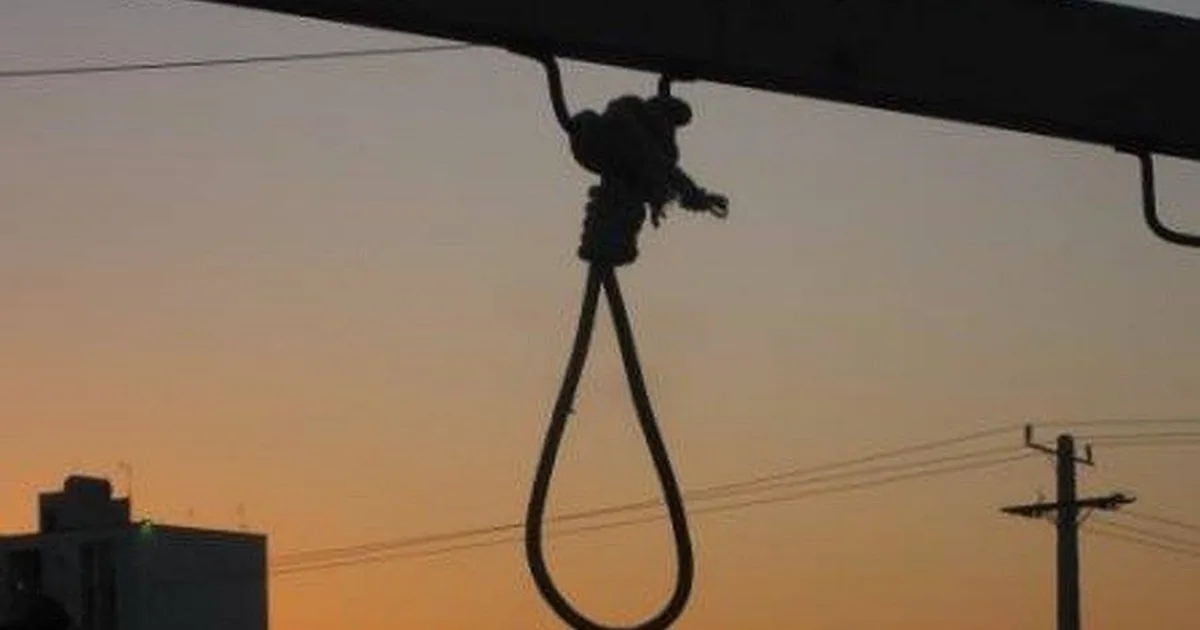
Siavash Jamshidi, a young man who was convicted of shooting at security forces during anti-government protests in Iran, was executed on Saturday, October 3rd. This action takes place while Iran's judiciary has announced that Jamshidi was sentenced to death for committing several crimes, including conspiracy against national security and targeting security forces.
Increase in Executions in Iran
Following recent protests in Iran and the ongoing war, the number of arrests and executions has significantly risen. According to Amnesty International, Iran executed more than 2,000 people in 2025; a figure that is unprecedented in recent decades. Amnesty International emphasizes that Iran has the second-highest number of executions in the world after China.
Read more: Iran has begun planning a response to potential U.S. attacks
Social and International Consequences
The execution of Siavash Jamshidi not only reflects the government's severity against protesters but may also lead to increased tensions in society and international reactions. Families of the executed and human rights groups inside and outside Iran have strongly reacted to this issue, calling for a halt to executions and changes in the government's security policies. This is while Iranian society is under severe pressure and social and political restrictions.
Given that executions and arrests in Iran are on the rise, the question arises whether the international community will pay attention to this issue and what actions will be taken. In this situation, protesters and their families are seeking ways to express dissent and draw global attention to their plight.
Read more: Khalil Al-Hayya and Bassem Naim expressed condolences for the passing of Seyyed Abbas Araghchi's sister · Elderly people in Iran and the challenges of life in old age