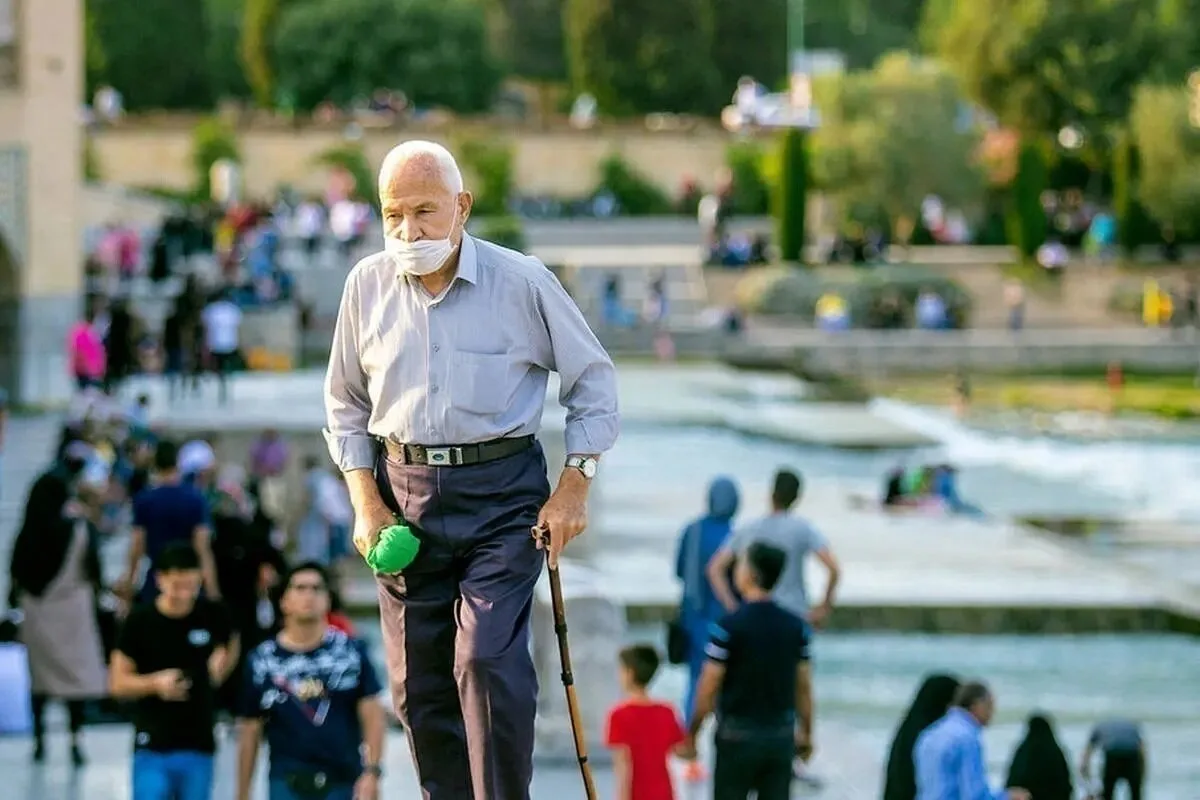
Seyed Javad Hosseini, head of the Welfare Organization of the country, reported on the unique status of aging in Iran, announcing that there are currently nearly 11 million elderly individuals in the country. This age group, which includes individuals over 60 years old, constitutes about 13 percent of the country's population.
Concerns about the growing trend of aging
Hosseini, referencing a comparison of aging in Iran and other countries, said: "While Iran is not currently in a precarious aging situation, forecasts indicate that by 1430, the percentage of elderly will reach 31 to 33 percent. In countries like Japan, this figure has already exceeded 28 percent. This indicates the rapid pace of aging in Iran, which requires attention and planning."
Read more: Seyed Ali Arzandeh: Omanis are calm and content people
Multilayered challenges of aging in Iran
The Secretary of the National Council of the Elderly emphasized two important issues regarding aging in Iran, pointing to its multilayered nature and the rapid growth of the elderly population. He stated: "Our general population growth rate is only 1.24 percent, while the growth rate of the elderly exceeds 4 percent. This means we are facing aging at an average rate 3 to 4 times higher than the general population growth, and we must be prepared for this situation."
Hosseini further stressed the importance of planning for healthy aging, stating: "One of the fundamental transformations of the Welfare Organization is moving from precarious aging to healthy aging. If we neglect this issue, we will face precarious aging, but with proper planning, we can move towards healthy aging."
These statements highlight the serious challenges Iran faces in dealing with aging and underscore the need for greater attention to this segment of society. While some countries have had successful experiences in this area, Iran must leverage these experiences and seek solutions to improve the quality of life for the elderly.
Ultimately, Seyed Javad Hosseini expressed hope for the future, emphasizing the necessity of cooperation and solidarity among all institutions and organizations to improve the situation of the elderly so that everyone can benefit from a healthy and quality life.
Read more: Iranian Embassy in Japan: The pressure policy is never a one-way street · Three simple movements to strengthen the brain according to neuroscientists