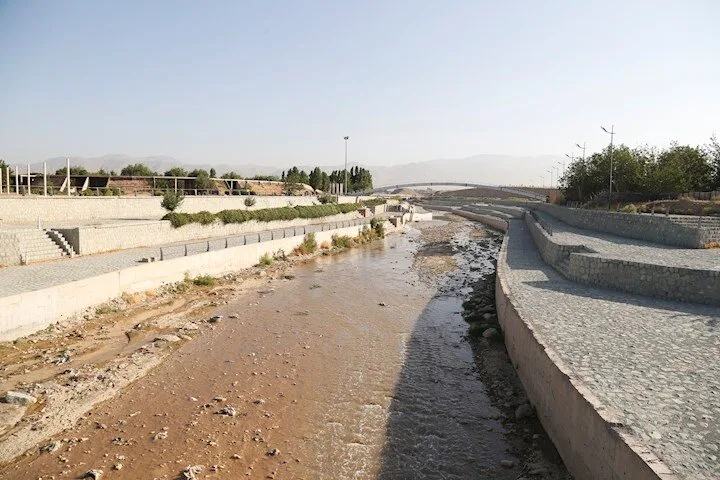
Seyed Ali Sharifi, the Deputy for Prevention at the Tehran Disaster Management Organization, in his press conference announcing the construction of 500 kilometers of flood control channels in the capital, referred to the necessity of preventive measures against flood hazards in Tehran. This action aims to enhance the capital's readiness to face natural phenomena such as El Niño.
History of Floods in Tehran
Sharifi explained that considering Tehran's geographical location and the existence of a large watershed in the northern heights, the risk of flooding is one of the main challenges of this city. He referred to historical floods such as the flood of 1987 and recent floods in the metro, emphasizing that these experiences highlight the necessity of preventive measures.
Read more: The engagement and marriage contract will be officially registered
Development of Channel and Tunnel Networks
The Deputy for Prevention at the Tehran Disaster Management Organization stated that approximately 450 kilometers of routes, channels, and tunnels have been constructed so far, adding: "This network helps us redirect floodwaters from north to south Tehran. Currently, another 50 kilometers are under construction to complete the network." This network is considered a fundamental solution for flood management in the capital.
Identification and Mitigation of Flood Bottlenecks
Sharifi further referred to the identification of flood bottlenecks, stating: "These bottlenecks can be created due to bridges, channels, or water routes that do not have sufficient capacity. We have prioritized and identified these points and are working to mitigate their risks." He also mentioned the necessity of dredging and removing potential blockages in these bottlenecks, stating that these actions are being carried out ahead of the rainy season.
Modeling Rainfall and Installing Sensors
Another important action that Sharifi mentioned is the design of a rainfall modeling system in Tehran. He explained that these models are based on various return periods and help identify areas where water backflow is likely to occur. This information has been provided to the municipalities of the regions to ensure they are prepared in the event of heavy rainfall.
Sharifi also announced the installation of level sensors and camera towers for real-time monitoring of water status in various areas of Tehran. These sensors have been deployed in sensitive locations and can issue necessary warnings in case of rising water levels. He emphasized that these actions will help reduce the risks associated with flooding and make Tehran safer against natural hazards.
Read more: Allameh University tasked with developing national migration strategies · The large exercise of Iran's martyrs began under the command of General Hassan Hassan Zadeh