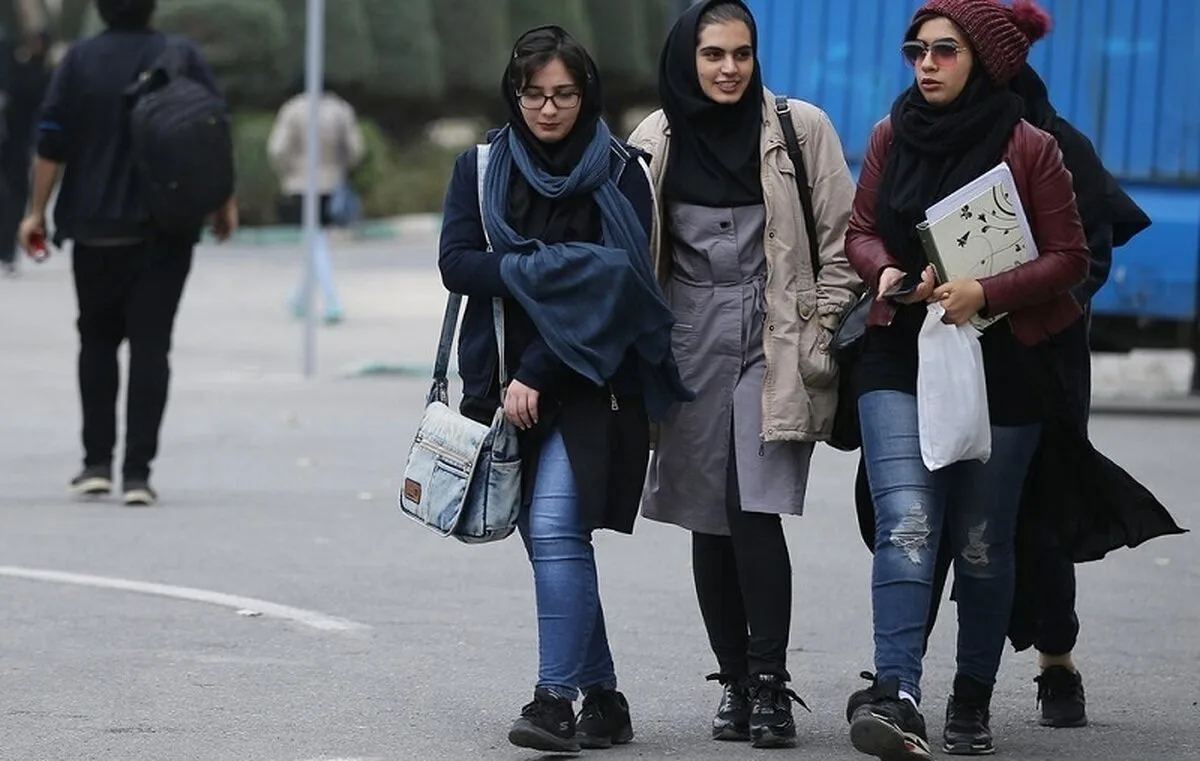
Seyed Ahmadreza Khazari, advisor to the minister and director general of the ministerial and public relations office of the Ministry of Science, issued the guideline "Guide to Decorum, Ethics, and Academic Conduct" to the heads of universities and higher education, research, and technology institutions. This guideline, which has been developed to maintain dignity and mutual respect in academic environments, emphasizes the necessity of informing members of the academic community, especially newly admitted students.
Details of the Decorum and Academic Ethics Guidelines
In this announcement, heads of universities are requested to appropriately inform about the contents of the guideline and make it accessible to audiences and visitors. According to this guideline, universities are required to inform about its contents at the time of registering newly admitted students and must also take action to install and publish appropriate environmental advertisements in public spaces.
Read more: An Iranian shepherd in search of dollar opportunities
The introduction of this guide refers to the importance of the scientific, cultural, and educational environment of the university and emphasizes that achieving the university's missions requires a calm, safe space based on mutual respect. It is expected that all members of the academic community, from professors and staff to students, will be recognized as responsible for shaping the culture and environment of the university, and their individual and professional behavior should align with the dignity and mission of the university.
Principles Governing Academic Conduct
The guideline emphasizes the observance of dignity and mutual respect, stating that all members of the academic community, regardless of their position, beliefs, gender, age, ethnicity, and social background, should be treated with respect. Insults, humiliation, threats, harassment, and violence should be avoided. Honesty and integrity in teaching, research, administrative affairs, and communications are other important principles of this guideline, and cheating, forgery, deception, and abuse of trust are prohibited.
Observance of justice and fairness in evaluation, service provision, and academic interactions, as well as avoidance of discrimination and favoritism, are also emphasized. According to this guideline, members of the academic community must perform their responsibilities diligently and orderly and adhere to the university's rules and regulations.
Maintaining privacy and the rights of others is also one of the principles established in this guide, emphasizing respect for individuals' personal, scientific, and administrative information. In another section of this guideline, constructive dialogue and respect for differing viewpoints are highlighted, with an emphasis on resolving disputes through dialogue and reasoning.
In the section regarding decorum and attire, it is stated that every social space requires adherence to appropriate appearance according to its customs and norms. In the university environment, maintaining a neat appearance and attire consistent with the rich Iranian-Islamic culture and academic decorum is essential for both men and women in all university spaces.
This guideline identifies the use of modest and neat attire as a requirement for presence in the university environment and considers appropriate attire mandatory for entering the university premises. It is emphasized that attire suitable for the university environment is a reflection of academic dignity and respect for scientific status.
Finally, the importance of maintaining the dignity of the university and the social responsibility of members of the academic community is emphasized. University members must behave responsibly in the university environment and related spaces and pay attention to the impact of their behavior on the university's reputation and the quality of the academic environment.
Read more: Dr. Masoud Pezeshkian's speech with 400 million views at the United Nations · Deputy Minister of Science: 40 universities were damaged during the war, and the education of 14,000 doctoral students has begun