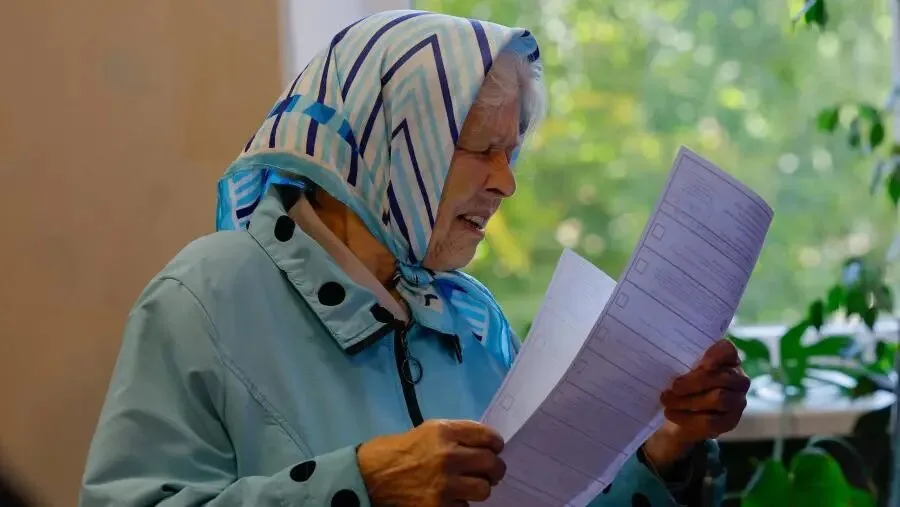
The Russian parliamentary elections have recently commenced and this event is regarded as the first election since the onset of the war in Ukraine. These elections are taking place while Russia is grappling with ongoing drone attacks from Ukraine. In this context, around 350 drones were launched towards the Moscow region from Thursday night until Friday morning, indicating increasing tensions in the area.
Tensions and Security Challenges in Russia
The drone attacks on the Moscow region, while voting is underway, have significantly heightened existing tensions in the country. These attacks, aimed at putting pressure on the Russian government, are particularly seen as a major security challenge for Vladimir Putin's administration, especially ahead of the parliamentary elections. As the elections are held, international and local observers are closely monitoring the situation to ensure the integrity of the electoral process.
Read more: What stage has Syria's nuclear program reached during Bashar al-Assad's era?
Election Results and Their Implications
The results of this election could have significant impacts on Russia's domestic and foreign policies. Particularly as tensions with Ukraine have reached a peak and the international community is concerned about the consequences of this war. It is expected that the ruling party in Russia, United Russia, will be able to secure a majority of seats in parliament, given the existing support. However, this election is surrounded by numerous criticisms from human rights organizations and independent media, and under these circumstances, the election results may face challenges.
Overall, holding elections under such conditions reflects the Russian government's efforts to demonstrate stability and control within the country, although the on-ground and security realities, especially in border areas, are far more complex than they appear.
Read more: Opening of an assembly plant for Israeli drones in Serbia · Kim Jong-un emphasized North Korea's enduring commitment to Russia