During Bashar Al-Assad's presidency, Syria had reached a stage of capability to produce fissile materials that could be directly used in the construction of nuclear weapons. This claim was made by the International Atomic Energy Agency and has raised new global concerns.
Discovery of Reactor in Deir ez-Zor
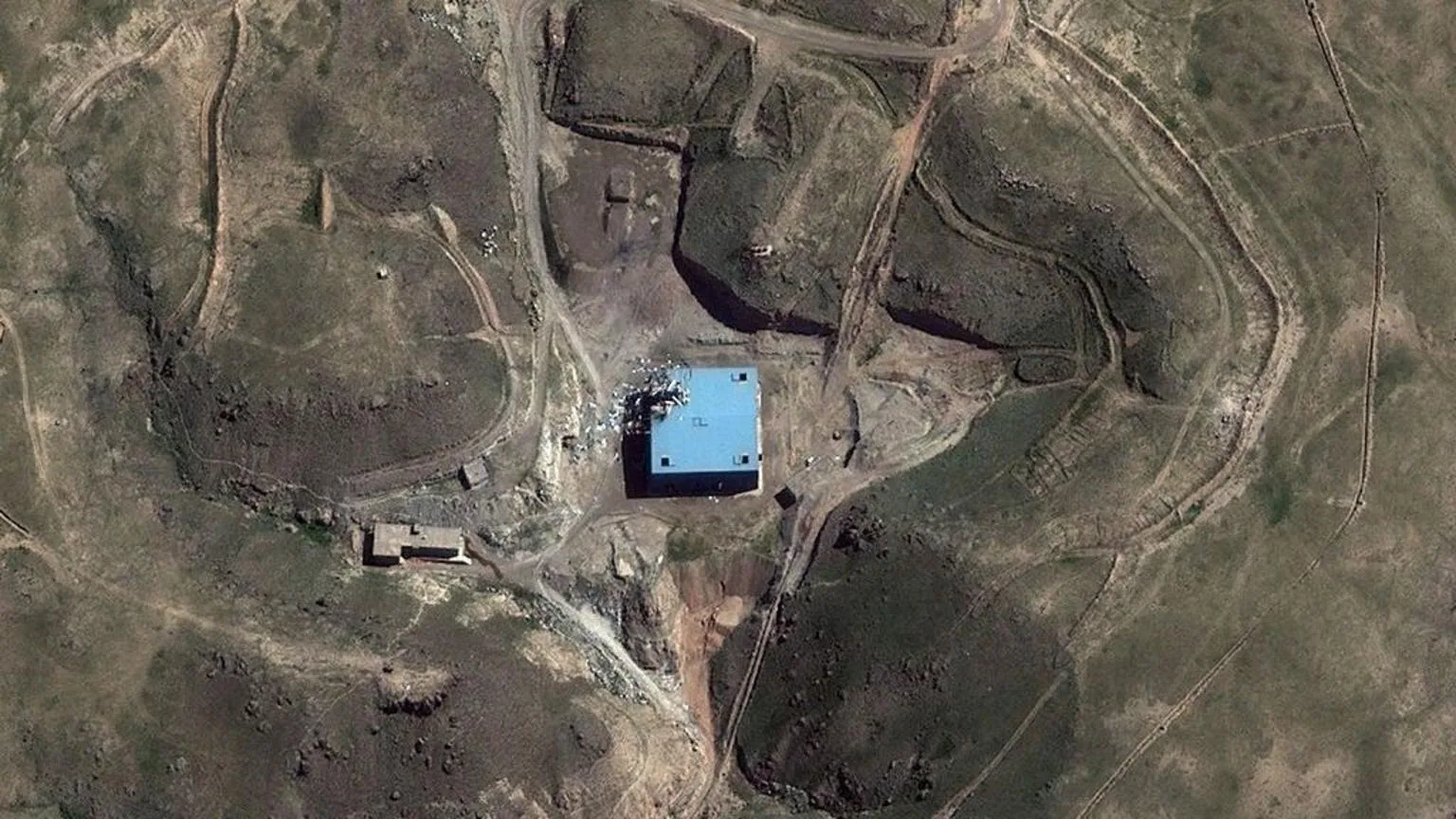
Rafael Grossi, the Director General of the Agency, announced in a press conference that the reactor destroyed by Israel in 2007 in the Deir ez-Zor region of Syria was nearly completed and had high efficiency. This reactor had developed to the extent that it could produce the fissile materials needed for nuclear weapon production.
Read more: Russia and China vetoed the U.S. anti-Iran resolution in the Security Council
Grossi also stated that although the exact purpose of this reactor has not been officially specified, Syrian officials have shown a clear reluctance to disclose information about their nuclear activities. He emphasized, "Given the design and technical characteristics of this type of reactor, it is considered a high-efficiency facility for the production of fissile materials."
Agency Investigations and Syrian Cooperation
The International Atomic Energy Agency announced in 2011 that the site discovered in Deir ez-Zor was likely a nuclear reactor being constructed with the cooperation of North Korea. Grossi also reported the presence of 73 tons of natural uranium metal in the area and stated that the Syrian government had agreed to cooperate with the Agency to investigate these materials.
In a statement released by the Syrian Foreign Ministry, it was mentioned that the country seeks to establish a new chapter of transparent cooperation with the International Atomic Energy Agency to address unresolved nuclear files from the previous regime. To this end, a delegation from the Agency, headed by Grossi, visited the country at the invitation of the Syrian government.
During this visit, Grossi toured the Deir ez-Zor site and locations related to the recently discovered nuclear materials, thanking the Syrian government for its constructive cooperation.
These developments have come into focus especially after the Israeli airstrike in September 2007 on an unknown facility in Syria, which was likely in the process of constructing a nuclear reactor. Israel has unofficially accepted responsibility for this attack, justifying it as a measure to prevent nuclear threats from Syria.
International Implications
These statements and investigations by the International Atomic Energy Agency have raised serious concerns at the international level and highlight the need for greater oversight and transparency in the nuclear programs of countries in the region. While Syria seeks cooperation with the Agency, there are serious doubts about the true intentions of this country and its nuclear capabilities.
This issue seems likely to lead to significant changes in international policies and Syria's relations with other countries. While some countries seek to increase diplomatic cooperation, others may look to adopt new strategies to counter potential nuclear threats from Syria.
Read more: Recep Tayyip Erdoğan is running for the Turkish presidential election · Isaac Dar and Rafael Grossi discussed the Iran-U.S. understanding