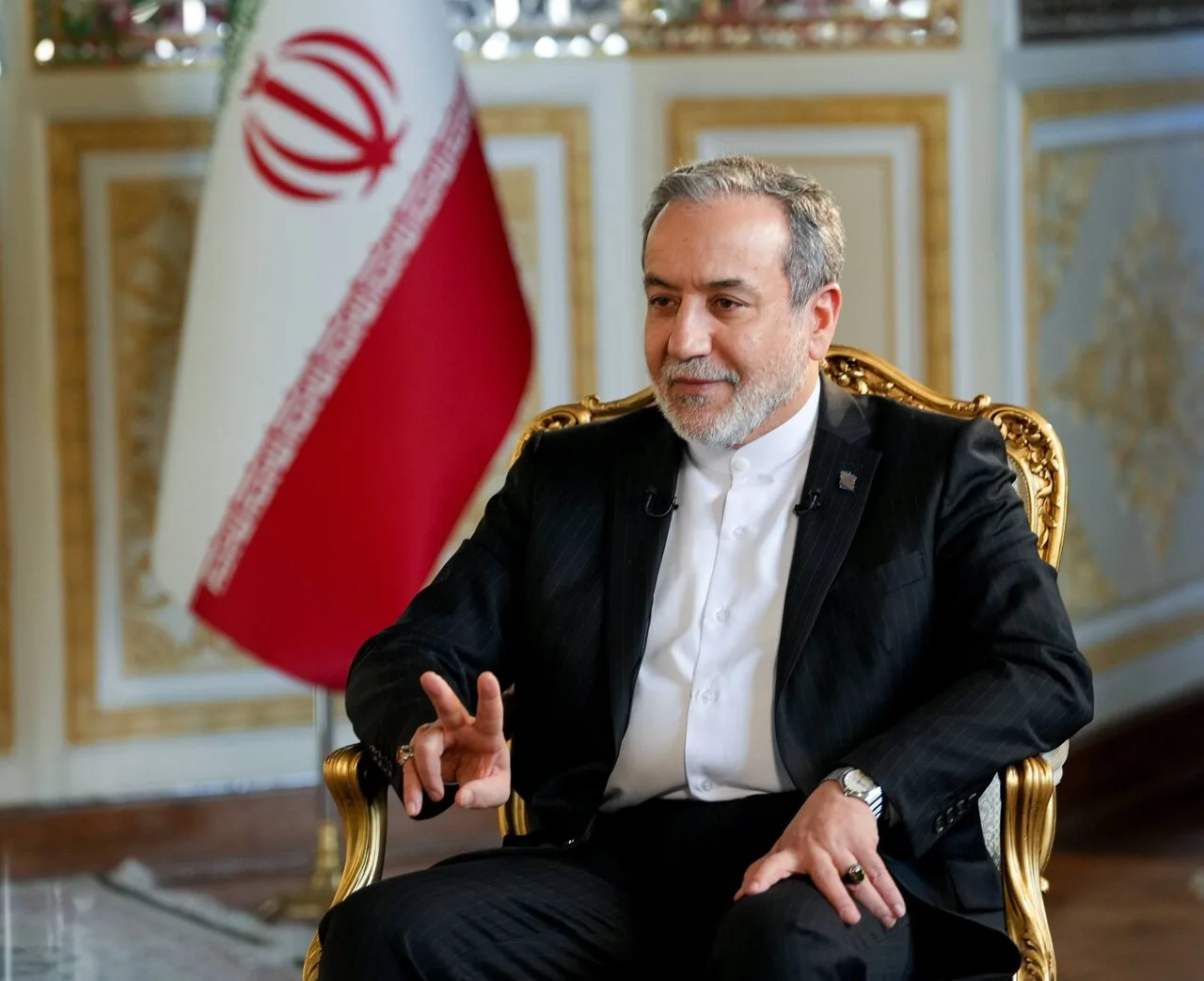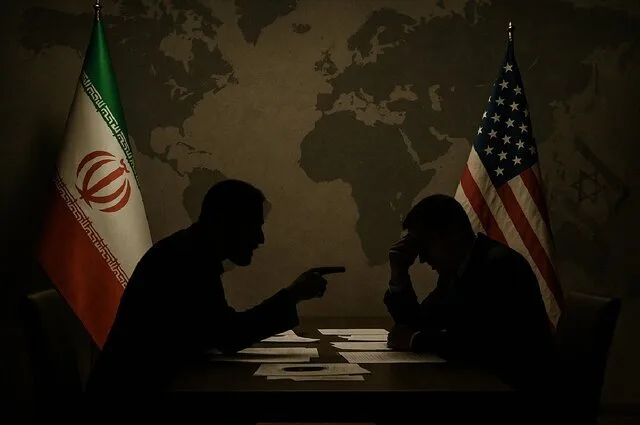
The veto by Russia and China against a resolution aimed at restoring illegal sanctions against the Islamic Republic of Iran once again highlights the profound transformations in the world of international politics. Jalali, Iran's representative at the United Nations, mentioned this on his social media account on X, stating: "America's relentless efforts to misuse the Security Council to restore sanctions have failed."
History of Resolutions and Sanctions
The U.S. anti-Iran resolution, proposed to extend the mission of the "Expert Panel" of the 1737 Committee of the Security Council, was introduced on Thursday, September 17, 2026. Despite receiving 11 positive votes, this resolution was not adopted due to the vetoes from Russia and China. In this voting, Russia and China cast negative votes, while Pakistan and Somalia abstained. According to the rules of the Security Council, the adoption of a resolution requires 9 votes without veto from the 15 members of the council.
Read more: Development of Tehran Metro with a New Station in Region 21
Legal Background and Its Impacts
The 1737 Sanctions Committee was established based on Resolution 1737 (2006) and was required to report every 90 days to the Security Council. However, with the signing of the Joint Comprehensive Plan of Action (JCPOA) in 2015 and its endorsement by the Security Council in Resolution 2231 (2015), all previous resolutions related to sanctions on Iran were suspended. This process significantly impacted Iran's economic and political situation negatively.
In August 2025, the countries of France, Germany, and the United Kingdom, known as the "European Troika," attempted to activate the snapback mechanism despite their breach of commitments and violations of agreements. However, this action also faced serious opposition, and ultimately, Resolution 2231 was definitively concluded on October 18, 2025. After this date, the role of the Security Council regarding Iran's nuclear issue completely ended, and all provisions and actions related to this matter were permanently terminated.
Jalali further stated in his statement: "The outdated tool of sanctions belongs to the past and has lost its effectiveness. The world of tomorrow belongs to those who believe in a multipolar world and multilateral cooperation." These remarks reflect Iran's hope for future changes in the international system and efforts to improve relations with other countries.
In conclusion, the Permanent Mission of the Islamic Republic of Iran to the United Nations expressed appreciation for the principled and valuable positions of Russia and China and emphasized that the patience and resilience of the Iranian people will facilitate the establishment of fair and multilateral relations.
Read more: "Iran's Sacrifice Drill"; A Symbol of the Bond Between the People and National Responsibilities · Russian Parliamentary Elections Amid Drone Attacks on Moscow